
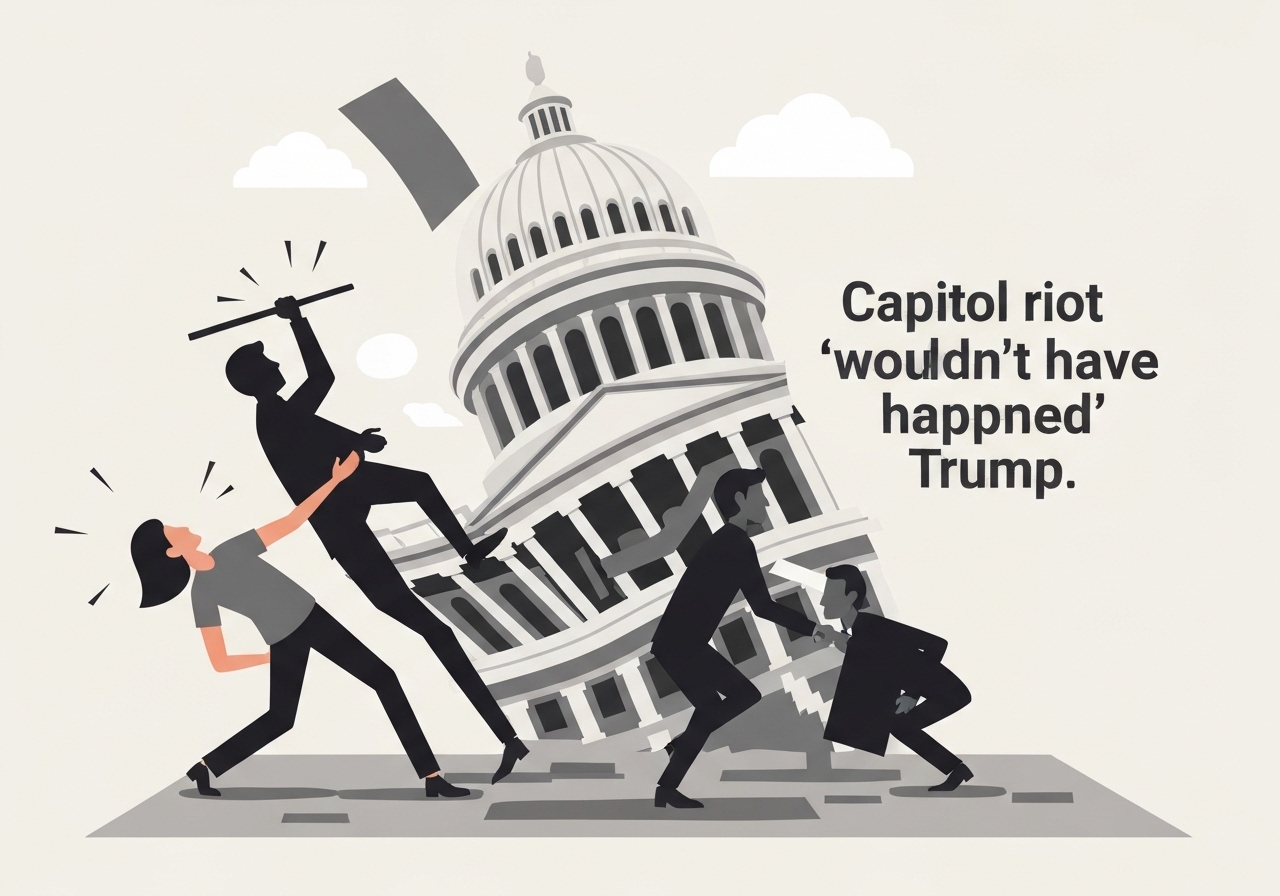
Former special counsel Jack Smith told congressional lawmakers in a Dec. 17, 2025 deposition that the Jan. 6, 2021 attack on the U.S. Capitol “would not happen” without then-President Donald Trump, calling him the “most culpable and most responsible person” in the conspiracy to overturn the 2020 election. The Republican-led House Judiciary Committee released a transcript and video of the closed-door interview, marking Smith’s first public appearance on Capitol Hill since leaving the special counsel role. Smith defended the legal basis for pursuing indictments against Trump and rejected assertions that his investigations were politically driven. The transcript clarifies the evidentiary and investigative reasoning behind two high-profile probes into Trump: the Jan. 6 election-conspiracy matter and the Mar-a-Lago classified-documents case.
Key Takeaways
- The deposition occurred on Dec. 17, 2025 and the transcript and video were published by the House Judiciary Committee in late December 2025.
- Smith told lawmakers he viewed Donald Trump as “by a large measure the most culpable” actor in the Jan. 6 conspiracy and said the Capitol attack “does not happen without him.”
- Trump faced separate indictments for conspiring to overturn the 2020 election and for willfully retaining classified documents at Mar-a-Lago; both prosecutions were dropped after Trump won the 2024 election due to DOJ policy against indicting a sitting president.
- Smith said the Jan. 6 case relied heavily on cooperative testimony from Trump allies and Republican witnesses, including an elector from Pennsylvania and interviews with former White House officials.
- Investigators obtained and analyzed phone/toll records of GOP lawmakers who spoke with Trump on Jan. 6; Smith defended the method as lawful and said accountability for those communications rests with Trump.
- Smith said evidence showed Trump spread false fraud claims in the weeks before Jan. 6, directed supporters to the Capitol, refused to stop the attack, and issued a tweet that Smith said endangered Vice President Mike Pence.
- The deposition remained private despite Smith’s request to testify publicly; his released testimony is now a key public record of prosecutorial judgments on two consequential probes.
Background
The Jan. 6, 2021 storming of the U.S. Capitol followed months of false claims that the 2020 presidential election had been stolen. That narrative motivated a range of efforts to delay or overturn certification of Electoral College votes on Jan. 6. Federal prosecutors and congressional investigators have since pursued different threads of that episode, examining both the actions of the former president and the behavior of his allies in and outside government.
Jack Smith was appointed special counsel to lead two separate inquiries: one into attempts to overturn the 2020 election and another into the retention of classified materials at Mar-a-Lago. After Trump won the 2024 presidential election, Smith said DOJ policy precluded indicting a sitting president, and the department formally discontinued prosecutions against a sitting president, leaving the underlying evidentiary record as the principal public account of the investigations.
Control of the House Judiciary Committee shifted to House Republicans, who pushed for scrutiny of Smith’s methods and motives. The committee’s release of the deposition transcript and video is part of a broader congressional effort to re-examine the special counsel’s work and to highlight investigative choices — such as the use of phone toll records and witness cooperation — that drew GOP criticism.
Main Event
In the daylong Dec. 17 deposition, Smith repeatedly defended the factual and legal basis for charging Trump. He told lawmakers that investigators had gathered testimony and documentary material showing Trump caused, exploited, and could reasonably have foreseen the Capitol attack. Smith emphasized that many of the strongest witnesses were Republicans and associates of the former president who cooperated with prosecutors.
Smith framed key pieces of the case around contemporaneous conduct in the days before Jan. 6: he said Trump pushed false fraud claims to state legislatures and supporters, summoned people to Washington, and directed them to the Capitol rather than discouraging the violence. Smith asserted that once the attack began, the president declined to stop it and issued messaging that, in Smith’s assessment, endangered then–Vice President Mike Pence.
The deposition explored investigators’ use of phone and toll records for Republican lawmakers who were in touch with Trump on Jan. 6. Smith told lawmakers those records were collected lawfully and argued that anger over the tactic should be directed at the person who initiated the calls — Trump — rather than the prosecutors who obtained records pursuant to standard investigative practices.
Smith also described interviews with former White House officials. He cited an interview with Mark Meadows, in which Meadows described unusually fearful behavior surrounding the events in the Capitol and referenced communications with Rep. Jim Jordan during the afternoon of Jan. 6. On the contested Cassidy Hutchinson claim that Trump grabbed the presidential SUV steering wheel, Smith said the officer in the vehicle told investigators the president was angry and wanted to go to the Capitol, but that the officer’s account did not match Hutchinson’s secondhand description.
Analysis & Implications
Smith’s publicized deposition adds a layer of prosecutorial rationale to the public record: it shows the investigative logic linking statements, contemporaneous communications, cooperative witnesses and documentary traces to allegations of conspiracy. For scholars of prosecutorial discretion, the transcript illuminates why Smith believed the evidence would have supported criminal charges absent DOJ policy constraints once Trump returned to office in 2024.
Politically, the release deepens partisan flashpoints. House Republicans framed the disclosure as oversight of federal prosecutors; Democrats and institutional-watchers view the transcript as confirmation of the seriousness of the probes. The competing narratives — oversight versus retaliation — will likely shape committee activity and public messaging in the months ahead, especially around election cycles.
Legally, Smith’s emphasis on cooperating witnesses and contemporaneous records underscores both the strengths and limits of the evidence. Cooperators can provide direct insight into plans and intent, but their testimony can be contested by defense counsel on credibility grounds. The absence of active prosecutions against a sitting president means the evidentiary record may be litigated primarily in public forums, congressional hearings, and the court of public opinion rather than in criminal trials.
Internationally, the episode continues to be cited in discussions about democratic resilience and the rule of law. How domestic institutions — the Justice Department, Congress, and the courts — documented and responded to Jan. 6 will be analyzed by foreign governments and scholars as a test case in handling democratic crises without undermining political stability.
Comparison & Data
| Investigation | Primary Charge | Indictment Date | Status after 2024 |
|---|---|---|---|
| Jan. 6 election-conspiracy | Conspiracy to overturn 2020 election | Indicted (prior to 2024) | Abandoned after 2024 election win (DOJ policy) |
| Mar‑a‑Lago classified documents | Willful retention of classified documents | Indicted (prior to 2024) | Abandoned after 2024 election win (DOJ policy) |
The simple comparison above highlights a central procedural point: both matters produced indictments before the 2024 presidential transition, but DOJ policy against indicting a sitting president led to the formal discontinuation of active prosecutions once Trump returned to office. That sequence leaves the evidentiary work — witness interviews, records analysis, and charging decisions — as the primary public artifacts for scrutiny.
Reactions & Quotes
Lawmakers and legal observers responded to the transcript with sharply different interpretations. Smith’s testimony is now a central reference point for debates about prosecutorial judgment and congressional oversight.
The evidence here made clear that President Trump was by a large measure the most culpable and most responsible person in this conspiracy.
Jack Smith, former special counsel
Smith framed the Capitol attack as causally connected to Trump’s conduct in the run-up to Jan. 6.
The attack that happened at the Capitol, part of this case, does not happen without him.
Jack Smith, deposition (Dec. 17, 2025)
Republicans on the Judiciary Committee criticized investigative tactics such as collecting toll records, while Smith pushed back and pointed to the central role of communications in establishing the timeline.
Who should be accountable for this is Donald Trump; he chose to direct his co-conspirators to call these people to further delay the proceedings.
Jack Smith, deposition
Unconfirmed
- Whether Donald Trump issued an explicit verbal order to supporters to carry out violence at the Capitol remains contested; Smith described causal responsibility but a direct instruction has not been definitively proven in public records.
- Cassidy Hutchinson’s account that Trump grabbed the steering wheel of the presidential SUV differs from the officer’s on-scene statement; investigators reported the officer’s recollection did not match Hutchinson’s secondhand description.
- The full content and intent behind every phone call and toll record collected from lawmakers on Jan. 6 has not been publicly released, leaving some inferences about motive and coordination unresolved.
Bottom Line
The released transcript of Jack Smith’s Dec. 17 deposition provides a clear statement of prosecutorial judgment: Smith believed the evidence tied Donald Trump to the events of Jan. 6 and that many of the strongest witnesses were people close to or aligned with Trump. The record strengthens public understanding of why the special counsel pursued indictments and why those cases were later halted when DOJ policy precluded charging a sitting president after the 2024 election.
Looking ahead, the deposition will shape congressional oversight, public debate, and historical accounts of Jan. 6. Key items to watch include any further committee releases, how cooperating witnesses’ accounts hold up under scrutiny, and whether new evidence emerges that changes the legal or political calculus surrounding the events of Jan. 6 and the decisions prosecutors made.
Sources
- NPR — Media report and transcript summary (news)
- House Judiciary Committee — Official committee (Congressional committee release and materials)