
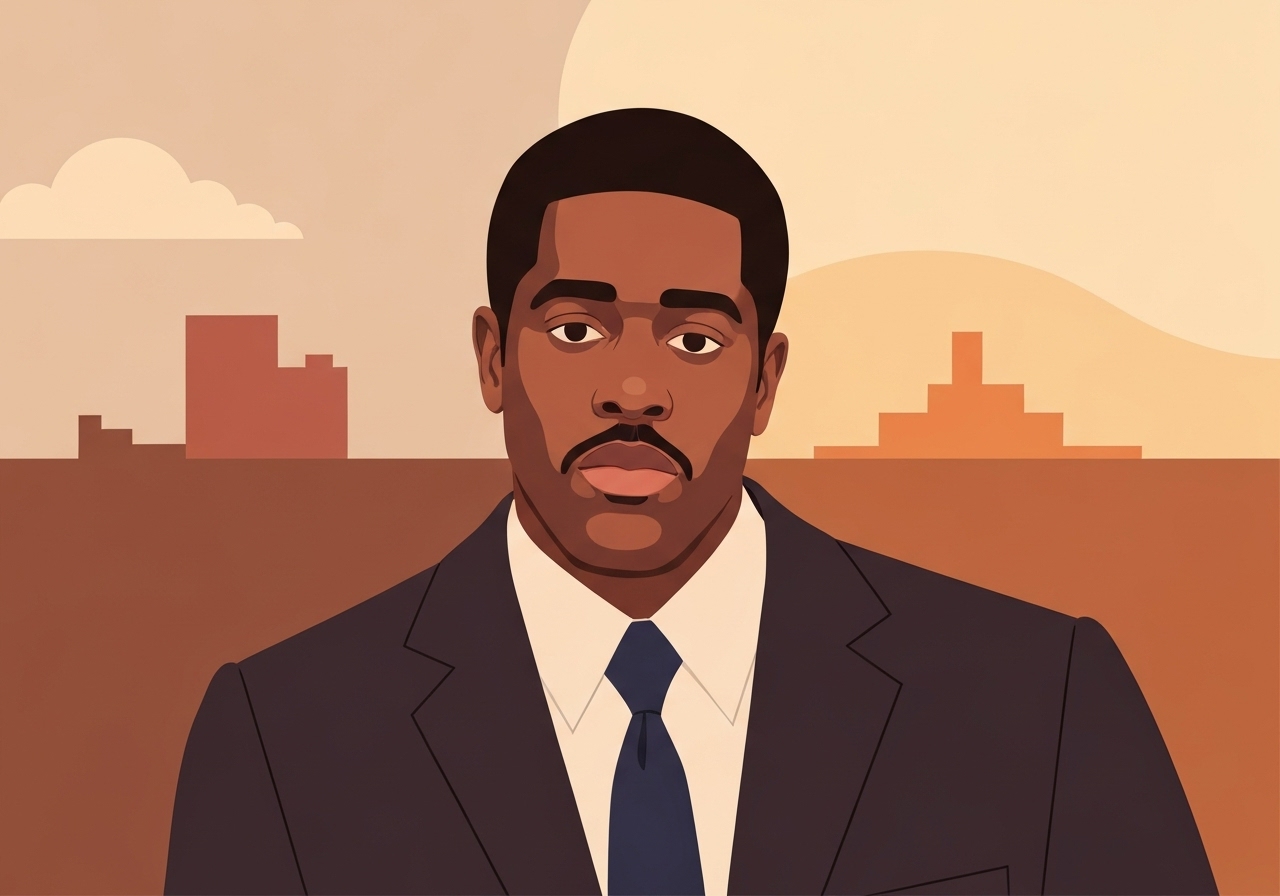
James Ransone, the Baltimore-born character actor best known for his Season 2 turn on HBO’s The Wire and later roles in horror films such as It Chapter Two and The Black Phone, died on Dec. 21, 2025, in Los Angeles. He was 46. The Los Angeles County Medical Examiner’s Office confirmed the death and, according to its website, said it was investigating the case as a suicide. Representatives for Mr. Ransone had not responded to requests for comment at the time of reporting.
Key takeaways
- James Ransone, born in 1979 in Baltimore, died on Dec. 21, 2025, in Los Angeles at age 46, per the Los Angeles County Medical Examiner’s Office.
- The coroner’s office has stated it is investigating the death as a suicide; toxicology and final manner-of-death rulings are pending.
- Ransone rose to attention playing Chester “Ziggy” Sobotka on Season 2 of The Wire; he was in his early 20s when cast for that 2003 season.
- He later appeared in mainstream horror films including It Chapter Two (2019) and The Black Phone (2021), roles that expanded his visibility beyond television.
- Early career choices tied to his Baltimore background; producers of The Wire frequently cast local actors for authenticity in Season 2.
- No official public statement from family or representatives had been released as of the coroner’s initial confirmation.
- Industry colleagues and fans noted his range—from intense television character work to supporting roles in genre cinema—on social platforms following the report.
Background
James Ransone was born in Baltimore in 1979 and entered acting at a time when location casting mattered to certain dramas. In the early 2000s, The Wire sought performers with genuine Baltimore ties for Season 2, a trend that helped Ransone, then living in New York, land one of his first major screen roles. The Wire, initially modest in audience size, would later be reassessed as a landmark series; many cast members found their profiles rose as the show’s reputation grew.
Ransone’s role as Chester “Ziggy” Sobotka—an impulsive, awkward dockworker caught between loyalty and crime—showcased a mix of comic bravado and self-destructive choices that defined his early screen persona. After television exposure he transitioned into films, carving a niche in contemporary horror. Credits such as It Chapter Two (2019) and The Black Phone (2021) placed him in larger commercial projects while preserving his reputation as a reliable character actor.
Main event
The Los Angeles County Medical Examiner’s Office confirmed on Dec. 21, 2025, that James Ransone had died in Los Angeles and that the death was under investigation as a suicide. The office’s initial announcement did not include a final cause pending toxicology and scene analysis, a normal step in cases listed as suspected suicide. Law enforcement and coroner procedures typically involve collecting medical records, interviewing next of kin and awaiting laboratory results before issuing a final report.
Ransone’s family and representatives were not quoted in the coroner’s notice; the actor’s publicist and known contacts had not issued statements by the time of the coroner’s online notice. In previous interviews Ransone reflected on his career path candidly, noting the modest beginnings of The Wire’s audience and the way early roles shaped his opportunities. Industry peers observed his versatility, from gritty TV drama to mainstream genre films.
Career highlights frequently cited after the coroner’s confirmation included his performance in The Wire’s Season 2 as well as supporting parts in It Chapter Two and The Black Phone, both of which drew mainstream box-office attention and critical notice. Colleagues and fans used social media to share memories of his performance and to express condolences, while some entertainment outlets prepared longer retrospectives of his work.
Analysis & implications
Ransone’s death highlights several intersecting themes in the entertainment world: the lasting cultural footprint of The Wire, the career arc of character actors who move between television and genre film, and concerns about mental health among performers. The Wire’s casting practices—favoring local actors for authenticity—helped launch careers like Ransone’s, and his subsequent turn to horror films demonstrated a common route from acclaimed television to commercially successful cinema.
For studios and casting directors, Ransone’s career underscores the value of actors who can anchor difficult, eclectic roles without necessarily being household names. His trajectory—from a notable television ensemble to visible parts in major genre pictures—illustrates how character actors contribute to both prestige and commercial projects, often providing memorable moments that outlast billing order.
On the topic of mental health, the coroner’s initial classification of the death as an investigation into suicide underscores the need for cautious reporting and for industry support systems. While public attention often focuses on final official determinations, the interim period raises calls from mental health advocates for resources geared to actors and film crews, who face irregular schedules, public scrutiny and intense role immersion.
Internationally, the news may renew interest in The Wire’s casting legacy and the careers of its ensemble, who have amassed followings across multiple generations of viewers. For historians of television, Ransone’s arc provides a case study in how a performer can emerge from a regionally anchored drama to a broader film career while retaining a distinct screen identity.
Comparison & data
| Title | Year | Role | Medium |
|---|---|---|---|
| The Wire (Season 2) | 2003 | Chester “Ziggy” Sobotka | Television |
| It Chapter Two | 2019 | Supporting role | Feature film |
| The Black Phone | 2021 | Supporting role | Feature film |
The table shows selected credits and years to contextualize Ransone’s career milestones. While not exhaustive, these entries reflect the span from his breakout television work in the early 2000s to higher-profile film appearances in the late 2010s and early 2020s. The Wire’s Season 2 aired in 2003; that casting period was pivotal in creating opportunities for actors from Baltimore.
Reactions & quotes
Industry response was muted publicly in the immediate hours after the coroner’s confirmation, with many colleagues expressing sorrow on social feeds while awaiting official family statements. The following excerpts capture the official and personal context available at the time of reporting.
“The Los Angeles County Medical Examiner’s Office confirmed his death and is investigating it as a suicide.”
Los Angeles County Medical Examiner’s Office (official)
The coroner’s brief online notice provided the core procedural information; it did not supply a final cause pending toxicology. Such preliminary communications are standard while officials complete their review.
“You have to remember, no one cared about that show until the fourth season.”
James Ransone, 2016 interview
Ransone made that remark in a 2016 conversation reflecting on The Wire’s early reception and his youthful perspective on the role, noting how the show’s later acclaim altered public and industry views of its cast.
Unconfirmed
- Exact cause and manner of death beyond the coroner’s initial suicide investigation remain unconfirmed pending toxicology and the office’s final report.
- No public statement from Ransone’s family or representatives had been confirmed at the time of the coroner’s initial notice.
Bottom line
James Ransone’s passing at 46 ends a career that bridged regional authenticity and genre visibility: from a memorable, morally fraught role on The Wire to supporting parts in commercially successful horror films. The Los Angeles County Medical Examiner’s Office has said it is investigating the death as a suicide, but final determinations and toxicology results are pending and should guide further reporting.
As colleagues, fans and outlets reflect on his work, the episode also prompts renewed attention to the pressures faced by actors and the importance of careful, evidence-based reporting in sensitive cases. Ransone’s performances—especially as Ziggy Sobotka—remain part of a television series that has continued to influence critics, scholars and audiences two decades after its first airing.
Sources
- The New York Times — news report and career overview (news)
- Los Angeles County Medical Examiner’s Office — official coroner statements and case processing information (official)