
Lead
Jane Fonda and the newly revived Committee for the First Amendment (CFA) called Friday’s announcement that Netflix is set to buy Warner Bros. Discovery a “catastrophic” escalation, urging federal and state enforcers to subject the transaction to rigorous antitrust scrutiny. The 2‑time Oscar winner — who has a recent working relationship with Netflix via Grace & Frankie — framed the purchase as a threat to creative independence and free expression. The CFA, relaunched in October with backing from roughly 550 industry figures, said it will organize against any deal terms that could trade editorial freedom for private or political concessions. The acquisition remains subject to regulatory review, including by the U.S. Department of Justice and state attorneys general.
Key Takeaways
- Netflix has agreed to acquire Warner Bros. Discovery in a deal variously valued at about $82.7 billion, with a per‑share offer reported at $27.75 for Warner Bros. Discovery stock.
- Jane Fonda, representing the Committee for the First Amendment she relaunched in October, characterized the deal as a potential threat to the First Amendment and industry livelihoods.
- The CFA’s revival included support from roughly 550 entertainment industry figures and was prompted in part by recent FCC scrutiny of broadcast content, such as the Jimmy Kimmel Live dispute.
- The transaction is explicitly subject to antitrust and regulatory review by the U.S. Department of Justice and state attorneys general, who have statutory obligations to investigate mergers of this scale.
- The CFA warned regulators not to leverage their review to extract political or editorial concessions that could influence content decisions.
- Industry observers predict prolonged regulatory scrutiny given the deal’s scale and the combination of major streaming, studio, and linear assets (including HBO/HBO Max).
Background
Media consolidation has accelerated over the last decade as streaming economics drove content aggregation and scale-seeking M&A. The proposed Netflix purchase of Warner Bros. Discovery would unite one of the largest global streaming platforms with extensive studio, cable and premium subscription assets, a configuration antitrust lawyers say invites close examination. Previous large media mergers — such as AT&T’s acquisition of Time Warner and Disney’s purchase of 21st Century Fox assets — faced multi‑jurisdictional regulatory review and public debate about market power, content diversity and bargaining leverage with distributors.
Jane Fonda’s Committee for the First Amendment traces its name to a McCarthy‑era group chaired by Henry Fonda; the new CFA was restarted in October amid industry concerns about political pressure on content makers. The committee’s relaunch followed tensions in broadcast and streaming over content moderation and regulatory challenges, including a recent exchange between Jimmy Kimmel Live and the Federal Communications Commission that heightened sensitivity to perceived interference with creative speech. The entertainment sector’s workforce — writers, actors, directors and production crews — say consolidation can reshape bargaining power and creative autonomy.
Main Event
This week Netflix confirmed a transaction to acquire Warner Bros. Discovery assets in a deal reported at approximately $82.7 billion in headline value, with the announced per‑share consideration at $27.75. The package reportedly includes Warner’s film and TV studios as well as HBO and HBO Max, folding premium scripted and library content into Netflix’s distribution and membership model. Company spokespeople emphasized strategic rationale: scale in content, global distribution efficiencies and a reinforced library for subscriber retention and growth.
Jane Fonda issued a public statement on behalf of the CFA expressing alarm, urging the Department of Justice and state attorneys general to conduct a thorough antitrust review and decline any tradeoffs that would compromise editorial independence. She warned regulators not to permit their enforcement leverage to be used to secure political or content concessions. The CFA also signaled readiness to mobilize industry support and public pressure if review processes yield outcomes perceived as endangering free expression.
On the ground, talent and industry groups are watching regulatory filings and likely approaching state attorneys general offices and the DOJ to register concerns. Antitrust lawyers say the deal raises questions about horizontal concentration in streaming, vertical integration across studios and platforms, and bargaining power over subscription platforms, creators and advertisers. Regulators will examine market definitions, potential harm to competition, and any efficiencies claimed by the merging parties.
Analysis & Implications
At its core, the deal represents a consolidation of content creation and direct‑to‑consumer distribution. Combining Netflix’s subscriber base and recommendation infrastructure with Warner’s franchises and HBO’s premium programming could reshape negotiation dynamics with talent, local distributors and advertisers. Economies of scale may yield cost savings, but those gains can be accompanied by reduced leverage for independent producers and smaller streamers, potentially narrowing the range of financed projects.
Antitrust review will hinge on how regulators define relevant markets — global streaming, U.S. premium scripted content, or specific genres where Warner’s franchises dominate. If authorities view the combined firm as substantially lessening competition, remedies could range from behavioral commitments to divestitures. Legal precedent in media mergers is mixed; courts and agencies have sometimes permitted vertical or conglomerate combinations when efficiencies are persuasive, while blocking deals judged likely to harm consumers or competitors.
The CFA’s public intervention frames the transaction as not only an economic issue but a democratic one, arguing that editorial independence and a plurality of voices are public goods. While antitrust doctrine traditionally focuses on price and output, media mergers implicate less quantifiable harms — cultural diversity, viewpoint plurality and gatekeeping power. Those non‑price effects are harder to litigate but increasingly central in public debates over media consolidation.
International regulators and state attorneys general could lengthen review timelines, increasing uncertainty for both companies. Extended scrutiny may force contractual holdbacks, carve‑outs, or conditional approvals that change the deal economics. For creators, the near term could mean stalled projects or renegotiated terms as integration plans are finalized and regulators set conditions.
Comparison & Data
| Metric | Reported Value |
|---|---|
| Headline deal value | $82.7 billion |
| Per‑share offer (Warner Bros. Discovery) | $27.75 |
| Major assets included | Warner Bros. studios, HBO, HBO Max |
The numbers above summarize public reporting on the transaction. By comparison, past industry megadeals (for example, AT&T/Time Warner) prompted multi‑year reviews and remedies; observers expect similar timelines here given the strategic assets involved. Analysts will watch subscriber, revenue and cost synergy projections to gauge whether claimed efficiencies outweigh competitive concerns.
Reactions & Quotes
Jane Fonda’s statement framed the transaction as a risk to creative freedom and civic interests; the CFA warned regulators against trading review leverage for content outcomes. Industry figures are preparing to press their cases to enforcement agencies.
“This consolidation threatens our storytelling and the constitutional protections that enable it,” the CFA said, urging regulators to resist arrangements that would curtail expression.
Committee for the First Amendment (Jane Fonda statement)
Regulatory experts noted that the DOJ and state attorneys general have established statutory duties to review mergers of this scale and must weigh both economic and public‑interest considerations.
“Antitrust review will focus on market definitions, vertical concerns and whether the merged firm can foreclose rivals,” one antitrust attorney summarized, noting precedent that mixes outcomes depending on how harms are proven.
Antitrust counsel (comment to newsroom)
Public reaction among creators is mixed: some worry about fewer buyers and condensed negotiating leverage, while others say combined scale might fund larger, riskier projects. The CFA stressed mobilization if regulators approve terms seen as compromising editorial independence.
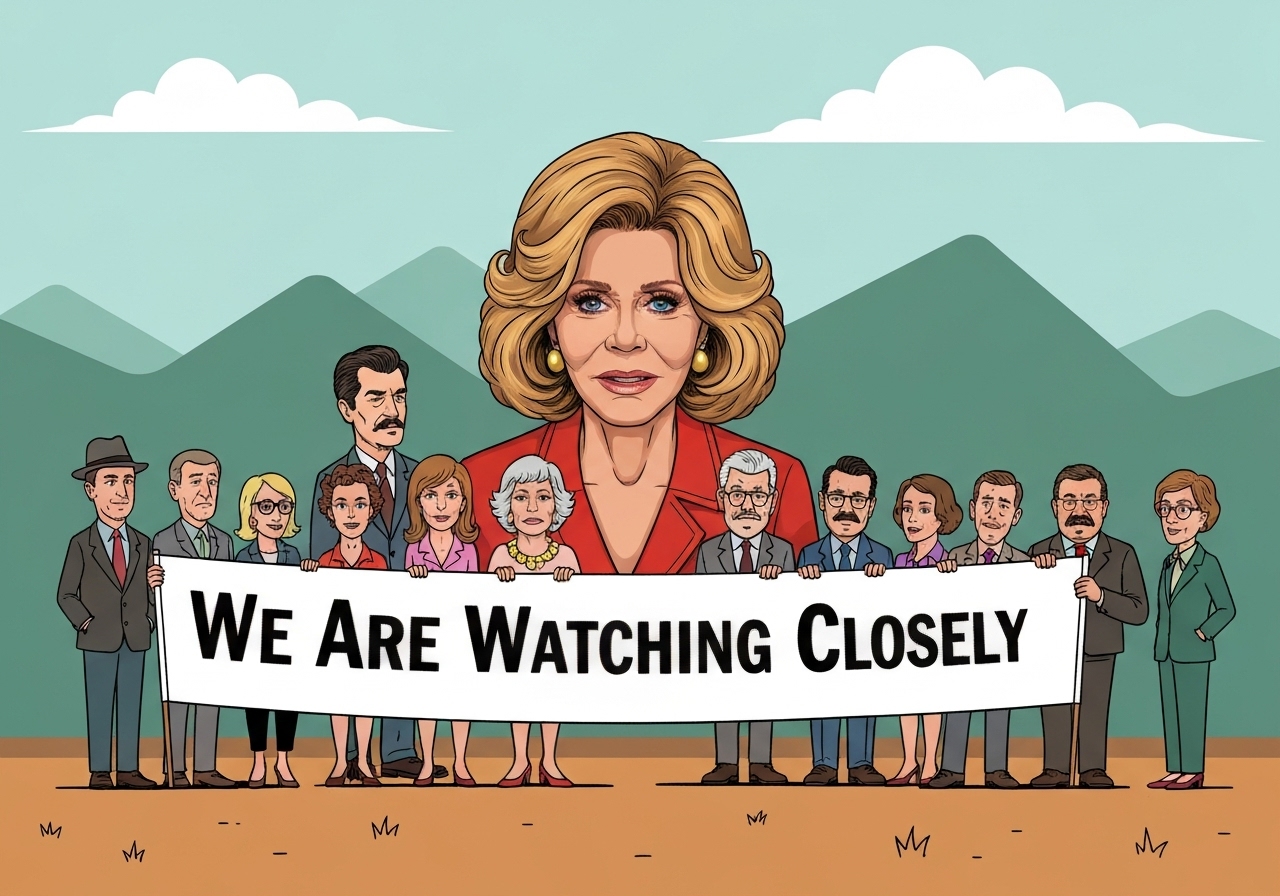
“We are watching closely and ready to mobilize,” the committee added, signaling potential organized opposition if regulators permit perceived tradeoffs.
Committee for the First Amendment
Unconfirmed
- Specific conditions or concessions that the DOJ or state attorneys general might demand are not yet public and remain speculative.
- Any internal Netflix plans to alter content governance or editorial practices post‑closing have not been confirmed by the company beyond standard integration language.
- The precise timeline for regulatory filings and potential remedies—whether short consent decrees or protracted litigation—has not been announced.
Bottom Line
The Netflix‑Warner transaction, involving roughly $82.7 billion in headline value and a $27.75 per‑share offer, marks one of the largest consolidation moves in recent entertainment history. Beyond economics, Jane Fonda and the relaunched Committee for the First Amendment have reframed the debate to include free‑speech and creative‑plurality concerns, signaling potential organized resistance if regulators appear to trade enforcement leverage for political or editorial gains.
Antitrust authorities will need to balance asserted efficiencies against possible harms to competition, creators and the public sphere; their decisions could set precedent for how future media megadeals are judged. Stakeholders — from state attorneys general to creators and viewers — should expect a sustained review process and public advocacy on multiple fronts.
Sources
- Deadline (news report)
- U.S. Department of Justice Antitrust Division (official guidance on merger review)
- Netflix Investor Relations (company filings and statements)