
Lead
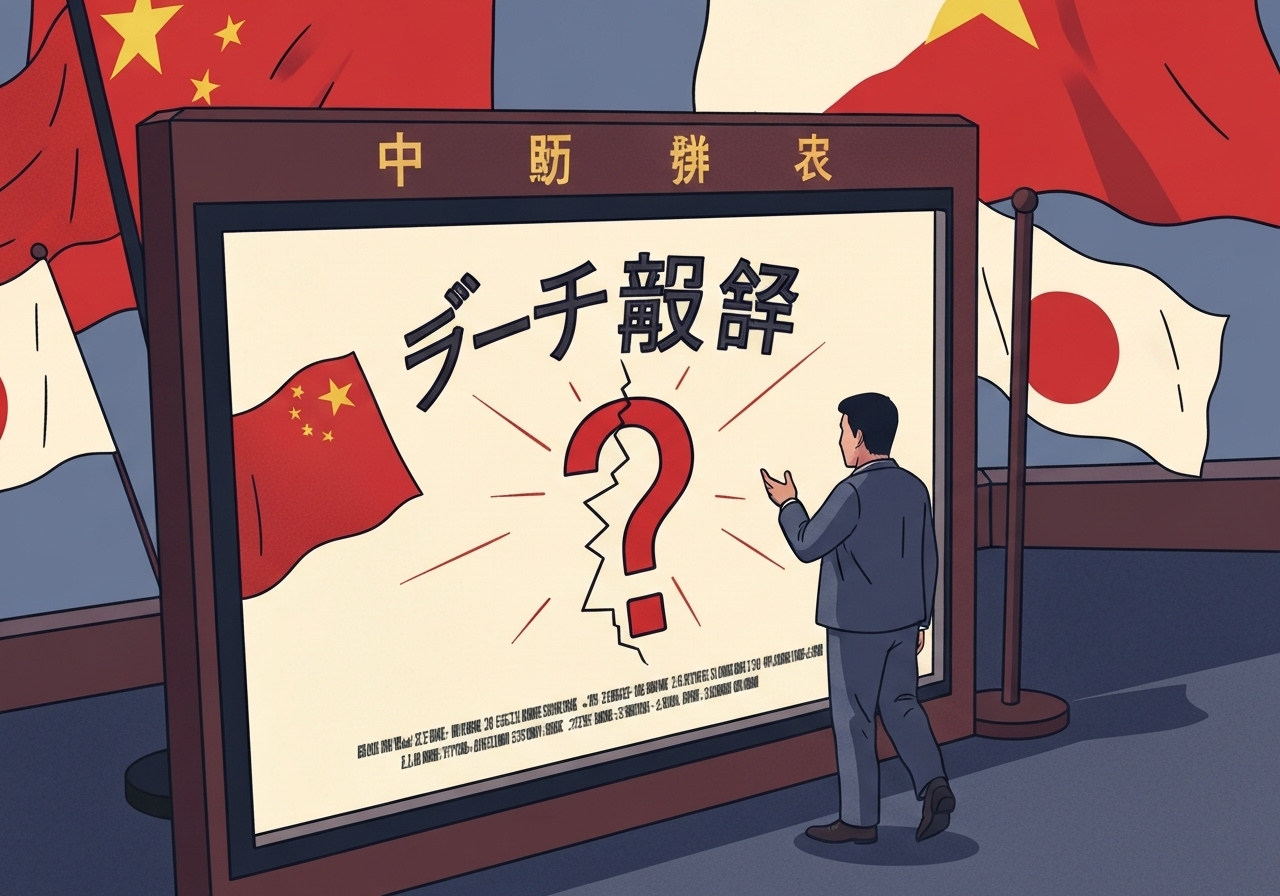
At least two high-profile Japanese films have had their planned releases in China postponed after comments by Japan’s Prime Minister Sanae Takaichi about Taiwan sparked a diplomatic backlash. Chinese state broadcaster CCTV reported the delays on Monday, naming Cells at Work! and Crayon Shin-chan the Movie: Super Hot! The Spicy Kasukabe Dancers. Ticketing for Demon Slayer: Infinity Castle remains available but CCTV said sales have softened as the dispute deepened. Distributors and importers told state media they reassessed release timing in light of audience sentiment and the broader bilateral tensions.
Key Takeaways
- Two Japanese titles—Cells at Work! and Crayon Shin-chan the Movie: Super Hot!—were reported by CCTV as postponed in China; no new release dates were provided.
- Demon Slayer: Infinity Castle remained on sale in China but CCTV said ticket purchases declined in recent days amid the row.
- Prime Minister Sanae Takaichi made the remarks in the Diet on , warning military action could be considered if Taiwan faced force.
- Beijing has urged Chinese citizens to avoid travel to Japan and advised students to reconsider studying there, measures that hit tourism and education sectors.
- Japanese tourism, airline and retail stocks fell sharply as investors weighed the economic effects of the diplomatic response.
- China supplied almost 7.5 million visitors to Japan in the first nine months of this year, a significant source of inbound tourism.
Background
The immediate trigger was a statement by Prime Minister Sanae Takaichi in the Japanese parliament on , in which she suggested Tokyo might consider military measures if Taiwan were attacked. Her comments followed long-running tensions between Beijing and Tokyo over security in the wider East Asian region and the sensitive cross-strait status of Taiwan. China regards Taiwan as a province to be reunified and has not ruled out force, while many in Taiwan identify as a separate polity; most Taiwanese favour maintaining the current status quo.
China’s response—relay of critical coverage through state media and consumer-facing advisories—fits a pattern in which diplomatic disputes spill into cultural and commercial arenas. Beijing has previously used travel advisories, shopping boycotts and media restrictions when disagreements with foreign governments arise. The approvals and timing for foreign film releases in China are managed through state-linked channels, and distributors typically factor political climate into release strategies.
Main Event
On Monday, CCTV reported that distributors and importers had postponed at least two Japanese film releases after assessing audience sentiment and the overall outlook for Japanese titles in China. The delayed films include Cells at Work!, a live-action adaptation based on a manga about blood cells combating pathogens, and a new Crayon Shin-chan movie, a long-running animated comedy franchise. CCTV did not state how long the postponements would last.
The broadcaster also said sales for Demon Slayer: Infinity Castle have fallen in recent days, though the BBC found tickets for that title still being sold in China. Market platforms show listings remain active, but demand appears weaker than before the political dispute intensified. The BBC contacted distributors including Toho for comment; Toho’s response was not available at the time of reporting.
Beyond entertainment, Beijing issued guidance discouraging Chinese citizens from travelling to Japan and advised students to think twice about studying there, citing safety concerns. Those formal and informal measures contributed to rapid market reactions: tourism-related equities and consumer-facing sectors in Japan saw pronounced downward pressure as investors priced in potential revenue losses from fewer Chinese visitors.
Analysis & Implications
The postponements underscore how political friction can quickly affect cultural exchange and commercial ties. Film releases are both commercial products and soft-power instruments; delays reduce box-office revenue for studios and distributors and can cool broader cultural engagement. For major Japanese studios and exhibitors, even temporary removal from the Chinese market can dent near-term earnings given China’s large cinema audience.
For Japan, the incident complicates a domestic political debate about security and diplomatic messaging. Tokyo faces a trade-off: policymakers may feel pressure to speak forcefully on Taiwan’s defence, while businesses and cultural exporters must manage fallout with a major neighbouring market. Companies that rely on cross-border cultural flows will likely heighten contingency planning for politically sensitive content and release calendars.
Regionally, the episode illustrates Beijing’s reliance on non-military levers—travel advisories, media narratives, consumer sentiment—to signal displeasure. Such tools can be effective quickly and with low financial cost to the state, but they also risk longer-term damage to people-to-people links and revenue for both sides if sustained. International partners and multinationals that operate in both markets will watch whether the measures remain targeted or expand into broader economic restrictions.
Comparison & Data
| Title | Format | China Status | Notes |
|---|---|---|---|
| Cells at Work! | Live-action | Postponed | Manga adaptation; no new date announced |
| Crayon Shin-chan the Movie: Super Hot! | Animation | Postponed | Family franchise; release was due in coming weeks |
| Demon Slayer: Infinity Castle | Animation | On sale (weakened demand) | Tickets available but CCTV reported falling sales |
The broader economic context helps explain market sensitivity: China accounted for almost 7.5 million visitors to Japan in the first nine months of this year, making it a major source of tourism revenue. Even short-term reductions in arrivals can hit airlines, hotels and retail locations that depend on Chinese travellers. Film grosses in China are typically a material portion of revenue for international animated blockbusters; a postponement or boycott can therefore have measurable box-office implications.
Reactions & Quotes
The official statements and state media commentary framed the dispute and its consumer-facing consequences.
“If there are battleships and the use of force, no matter how you think about it, it could constitute a survival‑threatening situation.”
Sanae Takaichi, Japanese parliament,
The prime minister’s parliamentary remark is the proximate cause cited by Chinese media for public discontent and subsequent cultural pullbacks.
“Strong dissatisfaction among Chinese audiences”
CCTV (state broadcaster)
CCTV used this phrase to explain weakened ticket sales and the decision by distributors to delay releases. The outlet positioned the moves as responses to shifting public sentiment rather than direct government edict.
Unconfirmed
- Length of the postponements: CCTV did not provide revised release dates or a timeline for when screenings might resume.
- Breadth of consumer action: it is not yet clear how widespread any organized boycott or ticket cancellations are across different Chinese regions.
- Financial impact on individual studios and distributors: full box-office and revenue consequences for the affected films have not been independently verified.
Bottom Line
The postponements of Japanese film releases in China are a clear example of how geopolitical rhetoric can spill over into culture and commerce within days. While immediate box-office effects appear concentrated and some titles remain on sale, the incident raises risk for studios, exhibitors and tourism-dependent businesses if tensions persist.
Key things to watch are whether distributors announce new dates, whether Beijing escalates formal restrictions, and how consumer behaviour evolves over the coming weeks. For policymakers and industry leaders, the episode underlines the importance of contingency planning where politics and cross-border cultural trade intersect.
Sources
- BBC News — international news outlet reporting on the postponements and parliamentary remarks (media).
- CCTV — China state broadcaster cited for reporting on delays and audience sentiment (state media).
- Toho Co., Ltd. — Japanese film distributor contacted for comment (industry/official).