
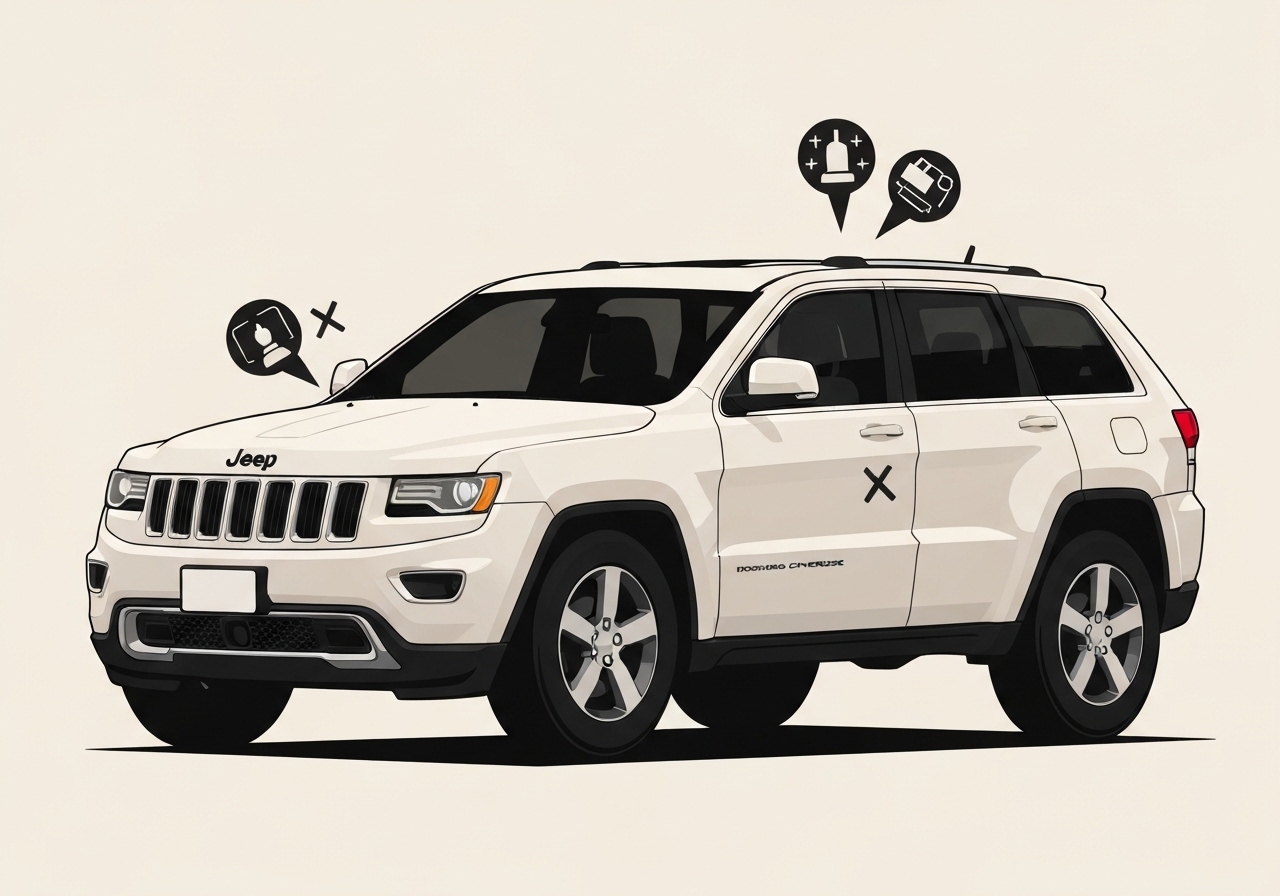
On Sept. 7, 2025, the U.S. National Highway Traffic Safety Administration (NHTSA) notified the public that Chrysler is recalling 91,787 Jeep Grand Cherokee plug-in hybrid electric vehicles (PHEVs) from model years 2022–2026 because a software fault in the hybrid control processor could cause a loss of drive power. NHTSA’s safety report warned that an unexpected loss of propulsion “can cause a vehicle crash without prior warning.” Chrysler told regulators it was not aware of any injuries or accidents tied to the defect as of Aug. 18, and a software remedy is being developed with owner letters scheduled to mail beginning Oct. 23. Vehicle owners will be able to check VIN eligibility on NHTSA’s website starting Sept. 11, and Chrysler has provided a customer service line at 1-800-853-1403 for affected drivers.
Key Takeaways
- Number affected: 91,787 Jeep Grand Cherokee PHEVs from model years 2022–2026 are included in the recall.
- Root cause: A software error in the vehicle’s hybrid control processor may result in a loss of drive power, per the NHTSA report.
- Timing: Owner notification letters will be mailed beginning Oct. 23; VIN lookup on NHTSA’s site begins Sept. 11.
- Injuries: Chrysler reported no known injuries or crashes linked to the defect as of Aug. 18.
- Remedy: A software fix is under development; NHTSA said a remedy will be provided when ready.
- Support: Affected owners can contact Chrysler customer service at 1-800-853-1403.
- Context: Last year more than 330,000 Grand Cherokees were recalled for a separate steering-wheel issue that could cause loss of control.
Background
Hybrid control processors coordinate power flow between internal combustion engines, electric motors, and battery systems in plug-in hybrids. They run complex software that determines when and how electric and combustion propulsion engage; faults in that software can interrupt the delivery of drive torque to the wheels. As automakers add software-defined functions to electrified powertrains, regulators have increasingly scrutinized how manufacturers validate updates and detect anomalies that could affect vehicle safety.
Stellantis NV is the parent company of Chrysler and the maker of Jeep-branded vehicles. The company has managed multiple high-profile safety actions for the Grand Cherokee platform in recent years, and dealerships and service centers are the usual channels for deploying recall remedies. The NHTSA enforces federal vehicle safety standards and publishes recall notices so owners and repair facilities can take action; its public recall search lets owners confirm whether a VIN is affected.
Main Event
On Sept. 7, 2025, NHTSA published a recall report describing a software defect in the hybrid control processor of certain Jeep Grand Cherokee plug-in hybrid electric vehicles that “may result in a loss of drive power.” The agency noted that a sudden loss of propulsion could increase crash risk because drivers may have no prior indication before the vehicle loses drive power. The recall covers 91,787 units from model years 2022 through 2026 and applies solely to plug-in hybrid variants of the SUV.
Chrysler reported to regulators that, as of Aug. 18, it had no record of accidents or injuries tied to the defect. The company and NHTSA said they are developing a software remedy; the NHTSA notice did not specify whether the fix would be delivered over-the-air (OTA) or through dealer service visits. NHTSA will enable VIN searches for the affected recall on its website beginning Sept. 11, and the manufacturer will begin mailing recall notices to registered owners on Oct. 23.
The recall follows a separate, larger action last year when more than 330,000 Jeep Grand Cherokees were recalled for a steering-wheel defect that could cause loss of control. That prior recall heightened owner and regulator attention to safety on the Grand Cherokee line, increasing scrutiny of any new recall affecting the model.
Analysis & Implications
Short-term, the principal safety concern is the possibility of a sudden, unanticipated reduction in propulsion. Even if no injuries have been tied to the defect to date, a loss of drive power at highway speeds or during critical maneuvers can elevate crash severity. The NHTSA’s characterization of the hazard underscores why regulators move quickly to require remedies once a systemic software defect is identified.
Operationally, how Chrysler delivers the remedy will shape owner experience and repair timeliness. An over-the-air software update would minimize visits to dealerships and speed remediation, but dealer-based repairs may be necessary if the fix requires hardware checks or recalibration. The recall’s scale—nearly 92,000 vehicles—will test dealer capacity and the company’s logistics for scheduling and completing repairs in a timely way.
Strategically, the recall illustrates a broader challenge for automakers as vehicles become more software-dependent. Regulators are adapting oversight to address software faults, not just mechanical failures, and future enforcement may emphasize software validation, update procedures, and post-deployment monitoring. For consumers, repeated recalls on a single platform can erode confidence in a model line and influence resale values and purchasing decisions.
Comparison & Data
| Recall | Vehicles Affected | Model Years | Primary Fault |
|---|---|---|---|
| Sept. 7, 2025 Jeep PHEV recall | 91,787 | 2022–2026 | Hybrid control processor software may cause loss of drive power |
| 2024 Grand Cherokee recall | 330,000+ | Various | Steering wheel defect risking loss of control |
The table contrasts the 2025 software-related recall with last year’s larger mechanical recall. While the 2024 action affected more vehicles, the 2025 recall is notable because software faults can be intermittent, harder to detect, and in some cases addressable via updates rather than hardware replacement. Differences in remedy type will influence repair throughput and owner inconvenience.
Reactions & Quotes
An NHTSA safety recall report warned that “an unexpected loss of propulsion can cause a vehicle crash without prior warning.”
NHTSA (official recall report)
Chrysler told regulators it was not aware of any injuries or accidents because of the defect as of Aug. 18.
Chrysler/Regulatory filing (manufacturer report)
Stellantis did not immediately provide additional comment to media requests regarding the recall notice or the anticipated remedy schedule.
Media inquiry response (company communications)
Unconfirmed
- Whether any crashes, injuries, or insurance claims linked to this defect occurred after Aug. 18 remain unconfirmed by NHTSA or Chrysler in the public record.
- It is not yet confirmed whether the forthcoming remedy will be an over-the-air software update or require in-person dealer service.
- The expected timeframe for completing repairs across the entire affected population has not been published and remains uncertain.
Bottom Line
The recall affects 91,787 Jeep Grand Cherokee PHEVs from 2022–2026 because of a hybrid control processor software issue that may cause an unexpected loss of drive power, a condition NHTSA says could lead to crashes. Chrysler has reported no known injuries as of Aug. 18, and a remedy is in development with owner letters to be mailed beginning Oct. 23 and VIN lookup available on NHTSA’s site starting Sept. 11.
Owners of affected vehicles should check the NHTSA recall search beginning Sept. 11, contact Chrysler customer service at 1-800-853-1403 with questions, and follow recall instructions when notices arrive. Regulators and the industry will be watching how Chrysler delivers the remedy—especially whether it uses over-the-air fixes or dealer interventions—and how quickly repairs are completed across nearly 92,000 vehicles.
Sources
- NHTSA recall search (official federal agency recall portal)
- NPR: More than 90,000 Jeep Grand Cherokees recalled over potential loss of drive power (news report)
- Stellantis newsroom (manufacturer official site)