
Lead
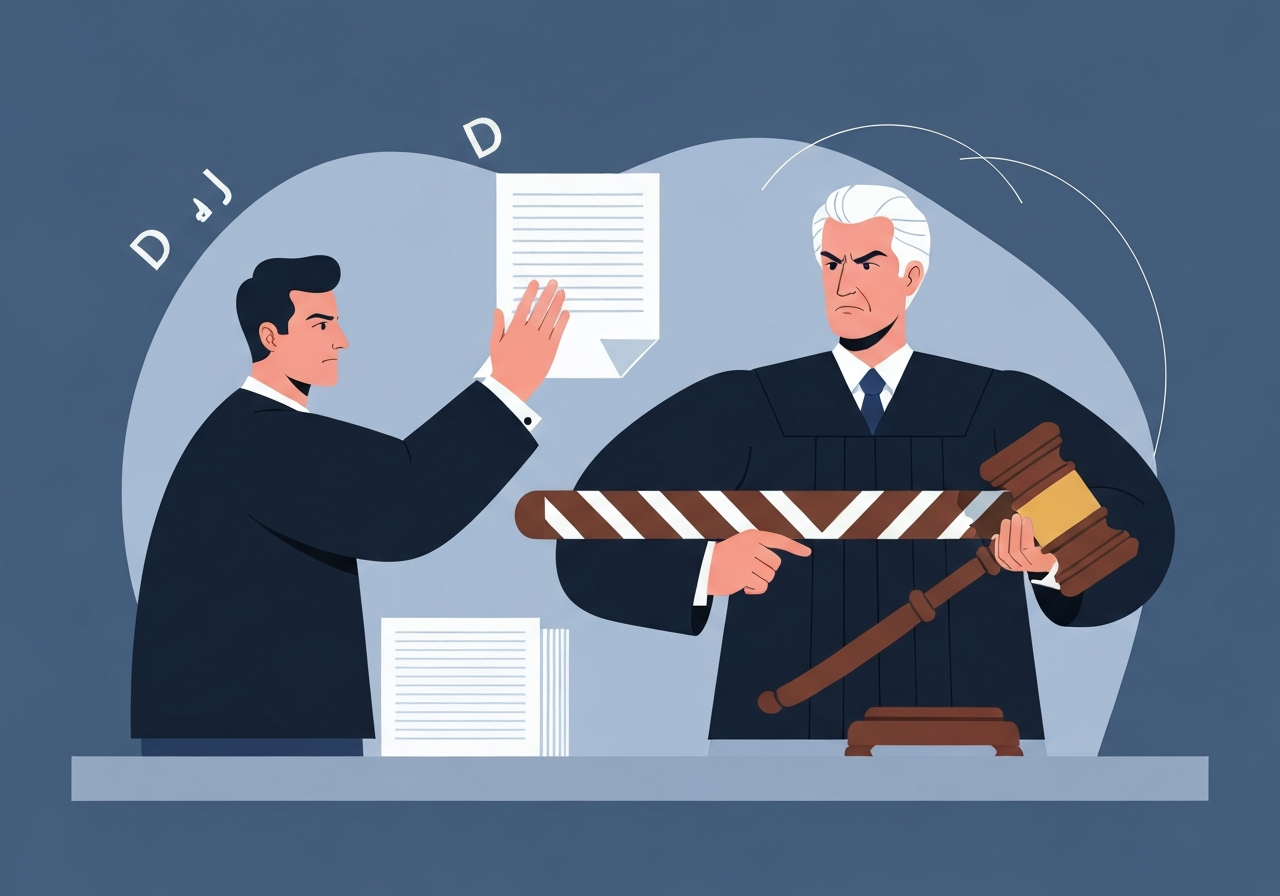
On March 13, 2026, a federal judge in Washington, D.C., moved to halt a Justice Department grand jury probe targeting Federal Reserve Chair Jerome H. Powell by quashing subpoenas sent to the central bank over headquarters renovations. Judge James E. Boasberg issued a 27‑page decision that criticized prosecutors’ motives and found the subpoenas likely intended to pressure or punish the Fed chair. The ruling represents a major procedural setback for the inquiry led by U.S. Attorney Jeanine Pirro and complicates efforts by the White House to influence or replace Fed leadership. While not an absolute end to the investigation, the decision sharply limits the prosecutors’ immediate ability to obtain Fed records.
Key Takeaways
- Judge James E. Boasberg issued a 27‑page opinion on March 13, 2026, quashing grand jury subpoenas served on the Federal Reserve relating to renovations at its Washington headquarters.
- The subpoenas were issued by the U.S. Attorney’s Office in Washington, led in this matter by Jeanine Pirro, a Trump ally; the court found the subpoenas’ dominant purpose appears political pressure.
- Boasberg concluded the government presented no persuasive evidence that Jerome H. Powell committed a crime beyond having displeased the president, undercutting the probe’s legal basis.
- The ruling restricts prosecutors from collecting documents and testimony from the Fed, a step that could delay any move to confirm a Trump‑chosen replacement for Powell.
- Although the decision is a severe procedural blow, the inquiry is not necessarily terminated; prosecutors may seek reconsideration or appeal, and some investigative avenues remain.
- The case has renewed debate over the separation between the Justice Department’s investigatory role and political influence from the White House.
Background
The dispute arises at the intersection of monetary policy, presidential pressure and prosecutorial discretion. Since 2022, President Donald J. Trump has publicly and privately pushed for lower interest rates and has faulted the Federal Reserve for refusing to follow White House wishes; Powell repeatedly resisted calls for steep cuts. That tension has made the Fed and its leadership a target of criticism and, according to the judge, a subject of prosecutorial attention that aligns with political priorities.
In Washington, the U.S. Attorney’s Office for the District of Columbia—under the direction of Jeanine Pirro—subpoenaed documents and communications from the Federal Reserve relating to an internal renovation project at its main building. The subpoenas were served to a central bank that traditionally enjoys a high degree of operational independence, and the litigation raised questions about whether a criminal inquiry had a legitimate law‑enforcement purpose or instead sought to pressure a public official. Historically, courts weigh such motives when grand jury processes impinge on sensitive institutions.
Main Event
In the opinion unsealed on March 13, Judge Boasberg reviewed the record and found the subpoenas lacked a solid evidentiary foundation tying Powell to criminal conduct. The court described evidence presented by prosecutors as insufficient to demonstrate a plausible crime, and it questioned the timing and scope of the grand jury demands. The judge emphasized indicia that the subpoenas’ dominant purpose was to harass or coerce Powell into deviating from his policy stance or stepping down.
The subpoenas sought materials tied to renovation contracts, communications and related documents; prosecutors argued those materials were relevant to a legitimate inquiry. The government has maintained that standard investigatory procedures were followed, while the court criticized the apparent alignment between the probe’s targets and the president’s political objectives. Boasberg’s order blocked the subpoenas from being enforced against the Fed and prevented grand jury access to the targeted records.
Court filings indicate the investigation was led by career and political appointees in the U.S. Attorney’s Office for D.C., but the opinion focused on whether the grand jury process had been employed for an improper purpose. The judge stopped short of issuing a broader rebuke of the Justice Department as an institution, confining his remedy to the suppression of the subpoenas at issue. Still, the immediate operational effect is to deprive prosecutors of a principal route to evidence in the renovation‑related line of inquiry.
Analysis & Implications
The ruling underscores the judiciary’s gatekeeping role when criminal process overlaps with political disputes. By quashing the subpoenas, the court signaled that courts will police potential abuses of grand jury power where the record suggests political objectives dominate prosecutorial actions. That posture preserves institutional boundaries between law enforcement and electoral politics and sets a precedent for future challenges to politically sensitive probes.
For the Federal Reserve, the decision is a defensive win for institutional independence. If prosecutors cannot compel internal Fed documents through grand jury process, the central bank’s staff and officials gain a layer of protection against investigative leverage that could influence policy decisions. The practical effect is to make it harder for the executive branch to use criminal process to reshape financial‑policy leadership quickly.
Politically, the ruling complicates the White House’s plan to replace Powell. A delay in obtaining evidence or an adverse court ruling can stall or weaken any administrative or legislative push for confirmation of a new chair. Within the Republican coalition, the case has already sharpened divisions between lawmakers who favor aggressive oversight and those who express concern about overreach or the weaponization of justice.
Comparison & Data
| Item | Fact |
|---|---|
| Court decision | 27‑page opinion by Judge James E. Boasberg (unsealed March 13, 2026) |
| Target | Jerome H. Powell, Chair of the Federal Reserve |
| Lead prosecutor | U.S. Attorney Jeanine Pirro, D.C. office |
The table above summarizes the concrete public facts central to the decision. While the court stopped enforcement of subpoenas tied to renovation records, it did not adjudicate every factual allegation raised by prosecutors. The ruling is primarily procedural, focused on whether the grand jury instrument was being deployed appropriately rather than making a definitive factual finding that no misconduct could ever be shown.
Reactions & Quotes
Officials and observers framed the decision in sharply different terms. Supporters of the ruling saw it as a check on the misuse of prosecutorial tools, while critics argued it may shield legitimate inquiries from scrutiny. The court’s language became the focal point of public commentary.
Boasberg found that the subpoenas appear designed to harass and pressure the Fed chair rather than to pursue clear evidence of criminal activity.
Judge James E. Boasberg (opinion)
The court observed that the government had not shown persuasive evidence tying Powell to a criminal offense beyond having displeased the president.
Judge James E. Boasberg (opinion)
Unconfirmed
- Whether senior White House officials directly directed the D.C. U.S. Attorney’s Office to seek subpoenas targeting Powell remains unproven in the public record.
- It is not publicly confirmed that prosecutors possess alternative documentary evidence sufficient to continue the investigation absent the quashed subpoenas.
- No formal timeline has been disclosed for whether the government will appeal Boasberg’s order or reissue narrower subpoenas; those steps remain possible but unannounced.
Bottom Line
Judge Boasberg’s order to quash the grand jury subpoenas dealt a substantial procedural defeat to the Justice Department’s renovation‑related inquiry into Jerome Powell. The court framed the subpoenas as instruments likely used for pressure rather than a focused criminal probe, preserving a boundary between prosecutorial power and political aims. Practically, the ruling hampers prosecutors’ immediate ability to gather Fed records and raises legal hurdles for further use of grand jury tools in similarly sensitive matters.
Looking ahead, the government could seek appellate review or pursue other investigative avenues, but any revival is likely to be slower and more constrained. The decision also amplifies broader questions for policymakers: how to protect the independence of institutions like the Federal Reserve while ensuring legitimate allegations of wrongdoing can be investigated without political interference. Observers should watch for appeals, new filings, and Congressional reactions that may shape the case’s next phase.
Sources
- The New York Times — national newspaper reporting on the court opinion and related developments (news reporting).