
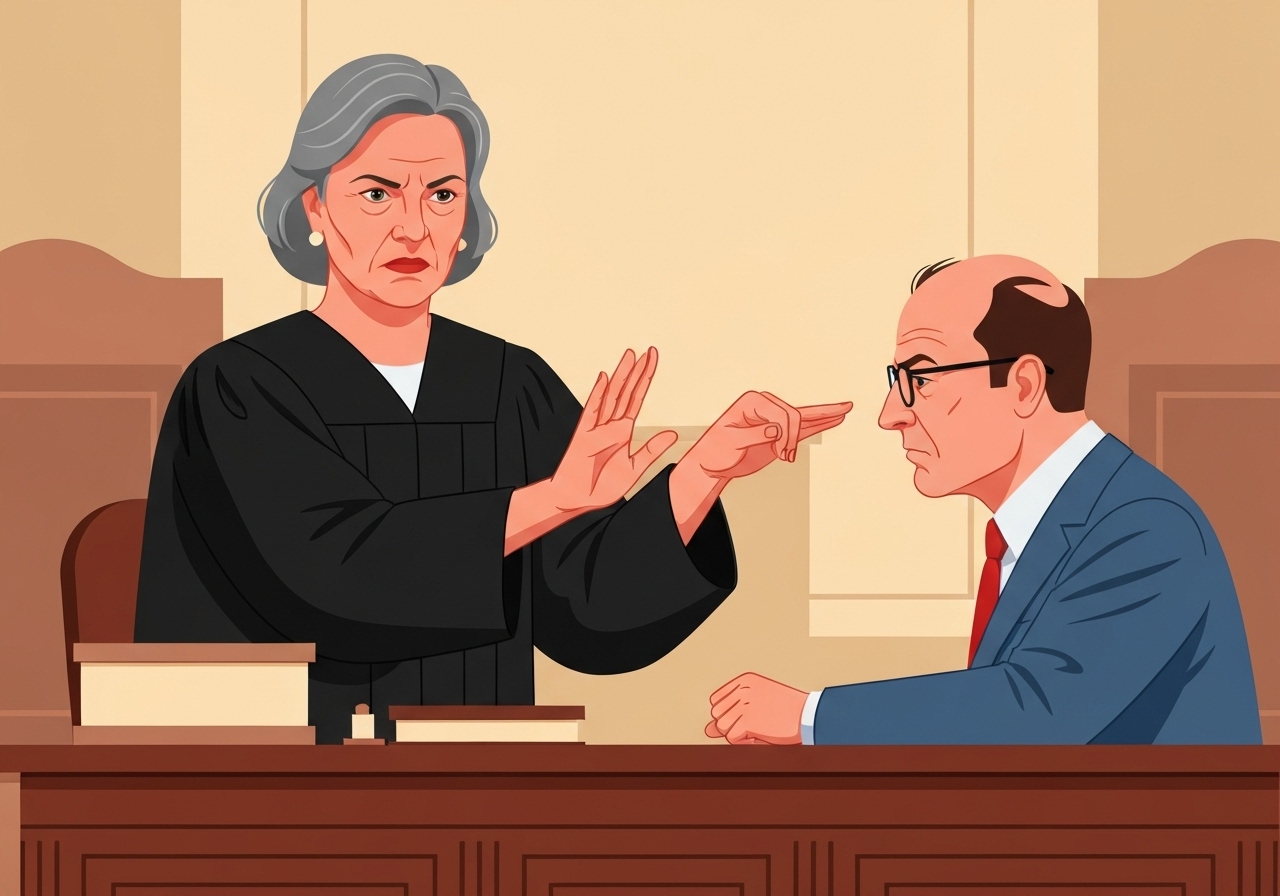
— A federal magistrate judge on Friday denied a request to free Brian J. Cole Jr. before trial after prosecutors accused him of placing two pipe bombs outside the Republican and Democratic National Committee headquarters just hours before the Capitol riot. Magistrate Judge Matthew Sharbaugh concluded that no set of conditions could reasonably protect the public from the danger Cole allegedly poses, and ordered him to remain jailed pending trial. Prosecutors say Cole confessed to the placements and expressed a desire for coverage if the devices detonated.
Key Takeaways
- Brian J. Cole Jr. is accused of planting two pipe bombs outside RNC and DNC headquarters on the evening before the Jan. 6, 2021, attack on the U.S. Capitol.
- U.S. Magistrate Judge Matthew Sharbaugh ruled there are no conditions of release that would reasonably mitigate the alleged danger, keeping Cole detained pretrial.
- Prosecutors say Cole admitted he hoped the explosions would create news; they allege he continued buying bomb components for months after Jan. 6.
- If convicted on both counts, Cole faces up to 10 years on one charge and up to 20 years on the other, which also carries a five-year mandatory minimum sentence.
- Defense attorneys sought home detention with GPS monitoring, noting Cole has no criminal record and has been diagnosed with autism spectrum disorder and obsessive-compulsive disorder.
- Judge Sharbaugh cited the potential for catastrophic harm — including serious injuries to party staff or bystanders and significant property damage in central Washington — had the devices detonated.
Background
The alleged pipe-bomb placements took place on the evening of , hours before a mob of supporters of then-President Donald Trump stormed the U.S. Capitol. The attack prompted multiple investigations into coordinated planning, weapons brought to the area, and security failures before, during and after the breach. Explosive devices discovered near political party headquarters added a dimension of potential mass-casualty risk to an already volatile day.
The case against Cole follows years of heightened scrutiny of politically motivated violence in the lead-up to and aftermath of the 2020 election. Federal authorities have repeatedly prioritized disrupting plots that target public officials, institutions and assemblies, citing both domestic terrorism statutes and the Bail Reform Act’s emphasis on public-safety considerations. Defendants with mental-health diagnoses or no prior criminal record often press for release on strict monitoring; courts must weigh those personal factors against the nature and immediacy of the alleged threat.
Main Event
At the detention hearing, prosecutors described statements they say Cole made to investigators, including an admission that he placed the pipe bombs outside both party headquarters and a remark that he “hoped there would be news about it.” The government argued those admissions, combined with continued purchases of bomb-making parts after Jan. 6, demonstrate an ongoing risk and impulsive escalation that pretrial release could not contain.
Defense counsel asked the court to impose home confinement with GPS monitoring, emphasizing that Cole lives with his parents in Woodbridge, Virginia, has no prior criminal convictions, and suffers from diagnosed neurodevelopmental and anxiety-related conditions. They argued those factors reduce the likelihood he poses an ongoing danger and that the risk the government describes is speculative.
Magistrate Judge Sharbaugh was unconvinced. He stressed the potentially devastating consequences had the devices detonated and wrote that the suddenness of Cole’s alleged actions raises concern about how quickly similar conduct could recur. For those reasons, he found the statutory standard for detention under the federal pretrial framework satisfied.
Analysis & Implications
The judge’s decision illustrates how courts apply the Bail Reform Act’s dual standards: risk of flight and danger to the community. When prosecutors present evidence of intent to cause mass harm and post-incident behavior that suggests planning or continued capability, judges are more likely to conclude that no conditions short of detention can adequately protect the public. Here, allegations of component purchases after the riot and explicit statements about hoping for media attention strengthened the government’s case.
Legally, the detention order does not determine guilt; it reflects the court’s assessment of risk before trial. If convicted, Cole faces decades behind bars on aggregate maximum penalties, and one count carries a five-year mandatory minimum that would constrain sentencing discretion. The mandatory minimum also raises stakes for plea negotiations and trial strategy for both sides.
Beyond the courtroom, the case feeds into broader debates about political violence and the criminal-justice response to Jan. 6-related conduct. Detention rulings in high-profile Jan. 6 cases serve both symbolic and practical functions: they signal how seriously federal courts treat alleged threats to democratic institutions while shaping defendants’ ability to collaborate with counsel from custody. Observers will watch whether similar allegations of explosive devices elsewhere prompt consistent detention outcomes.
Comparison & Data
| Alleged Offense | Maximum Penalty | Mandatory Minimum |
|---|---|---|
| Charge 1 (pipe bomb placement) | Up to 10 years | None listed |
| Charge 2 (additional explosives-related count) | Up to 20 years | 5 years |
The table above summarizes the penalties prosecutors say attach to the two counts against Cole. These statutory ranges frame potential outcomes but do not predict sentencing; actual terms, if convicted, will depend on conviction theory, guidelines, and any mandatory-minimum constraints.
Reactions & Quotes
“Mercifully, that did not happen,” Judge Sharbaugh wrote, noting the grave potential consequences had the devices detonated.
Magistrate Judge Matthew Sharbaugh
Prosecutors told the court Cole admitted placing the devices and said he had continued acquiring components after Jan. 6, which they said supported detention.
U.S. Department of Justice (prosecution summary)
Defense attorneys said Cole has no prior convictions, lives at home with his parents and has medical diagnoses that counsel says mitigate risk and support supervised release.
Defense counsel
Unconfirmed
- Whether the pipe bombs were capable of detonating as assembled is not fully established in court filings available to the public.
- Prosecutors’ account of Cole’s motive—telling investigators he believed the 2020 election was stolen—is drawn from investigative statements and has not been proven at trial.
- Any connection between Cole and organized groups or co-conspirators has not been publicly confirmed in charging documents available at this time.
Bottom Line
The magistrate’s detention order reflects a legal judgment that the alleged combination of intent, post-incident behavior and continued access to explosive components presents an unacceptable public-safety risk before trial. That determination prioritizes immediate protective measures and does not equate to a finding of guilt.
Next steps to watch include whether prosecutors will pursue additional charges, how the defense will respond at arraignment and in motions practice, and whether the case prompts further evidentiary disclosures about the alleged purchases and device functionality. Any conviction could carry decades of incarceration and will factor into the broader record of prosecutions tied to the Jan. 6, 2021 events.