
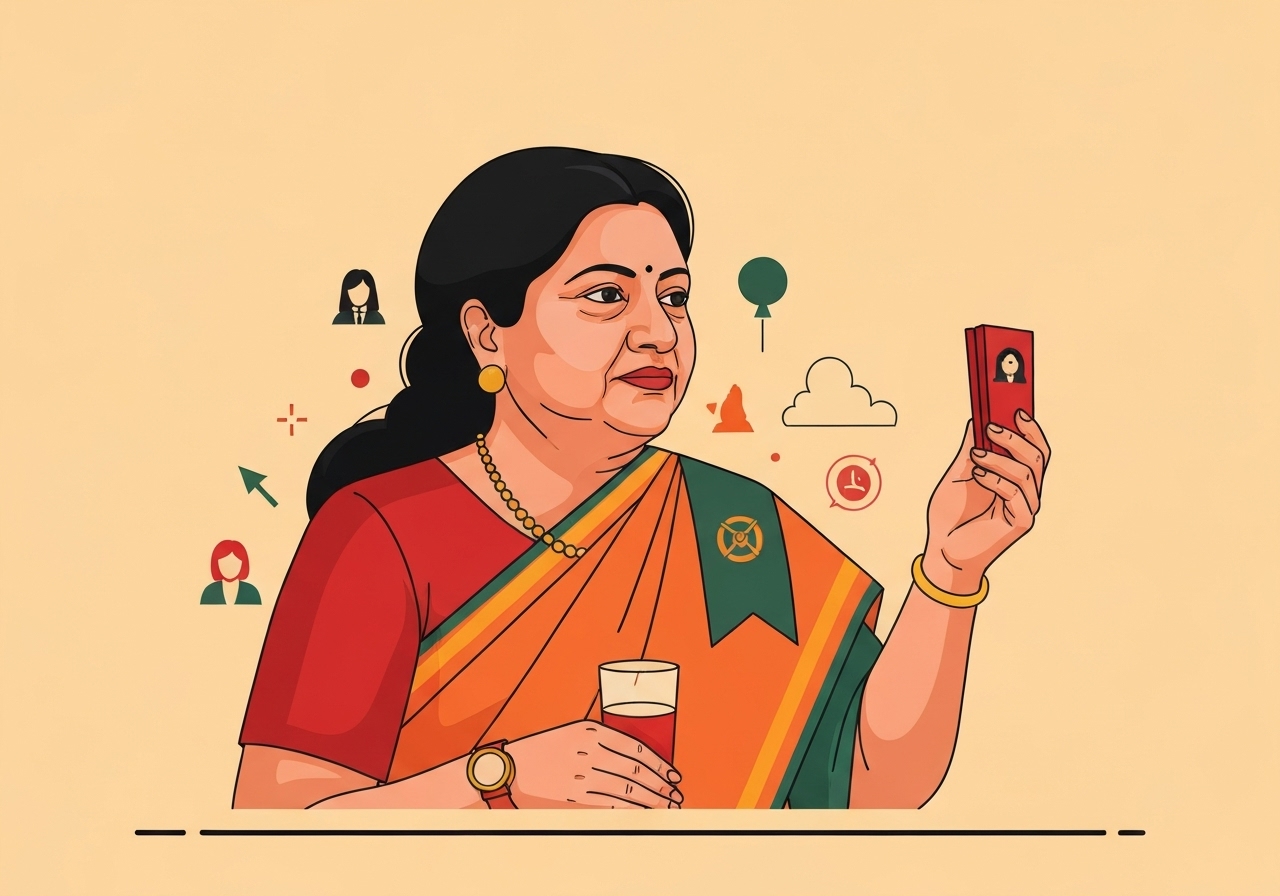
Khaleda Zia, who died in Dhaka on 30 December at the age of 80, was Bangladesh’s first woman prime minister and a defining figure in the country’s post‑independence politics. A widow of President Ziaur Rahman after his 1981 assassination, she rose to lead the Bangladesh Nationalist Party (BNP) and served as prime minister from 1991–1996 and 2001–2006. Her tenure included major shifts — a return to parliamentary governance, education reforms and expanded representation for women — but her later years were marked by legal battles, imprisonment and prolonged ill health. Her passing comes amid a volatile period for Bangladeshi politics after a 2024 upheaval that removed Sheikh Hasina and paved the way for Zia’s release and travel for medical treatment in January 2025.
- Khaleda Zia died on 30 December in Dhaka at age 80 after months of deteriorating health, including cirrhosis and kidney damage.
- She served two terms as prime minister: 1991–1996 and 2001–2006, becoming the first female head of government in Bangladesh.
- Her first administration reintroduced parliamentary rule and made primary education free and compulsory; her second term advanced quotas and schooling for women in a country where roughly 70% of young women were then illiterate.
- After 2006, she faced legal prosecutions; in 2018 she received a five‑year sentence for embezzling about $252,000 intended for an orphanage trust, which she denied as politically motivated.
- She was released and had convictions vacated following the 2024 political upheaval that removed Sheikh Hasina; she traveled to London for treatment in January 2025.
- Her elder son, Tarique Rahman, returned from years in exile in late December and is widely considered a leading candidate to assume party leadership.
Background
Born in Dinajpur in 1945, Khaleda Zia married army officer Ziaur Rahman at 15. Her husband emerged as a prominent leader during the 1971 liberation struggle and became president in 1977, a period marked by both political liberalization and repeated attempts at coups within the military. After his assassination by army officers in Chittagong in 1981, Khaleda Zia — previously a low‑profile first lady described in some accounts as a “shy housewife” — entered active politics and joined the BNP in 1982.
The 1980s and early 1990s in Bangladesh were shaped by a struggle between military rule and the restoration of electoral politics. Khaleda built a reputation for persistent opposition to military regimes, enduring repeated house arrests and organizing election boycotts. When the military government fell in 1990, the BNP emerged as the largest party and Khaleda took office as prime minister in 1991, presiding over the country’s transition back to a parliamentary system.
Main Event
Khaleda Zia’s first term (1991–1996) is remembered for structural shifts in governance and social policy, notably making primary education free and mandatory. She lost the 1996 election to Sheikh Hasina’s Awami League but returned to power in 2001 after forming an alliance with several Islamist parties, winning nearly two‑thirds of parliamentary seats. That coalition drew sustained criticism for close ties with conservative groups.
Her second administration (2001–2006) promoted women’s issues — introducing reserved seats and quotas for female MPs and extending education initiatives — in a country where female illiteracy among the young remained high. After leaving office, political violence and institutional instability culminated in a 2007–2008 period of military‑backed interim governance that targeted corruption across parties.
Zia was arrested on corruption and extortion charges in the years following 2006 and was convicted in 2018 for embezzling about $252,000 linked to an orphanage trust, receiving a five‑year sentence. She maintained the charges were politically motivated. Her health problems — including arthritis, diabetes, cirrhosis and kidney issues — led to hospitalization in 2019 and later house arrest on humanitarian grounds.
In 2024 nationwide unrest removed Sheikh Hasina from power and an interim government ordered Khaleda’s release and unfroze her assets. She was acquitted of several convictions and traveled to London for medical care in January 2025. Returning to Dhaka later in December, she died in the early hours of 30 December 2025.
Analysis & Implications
Khaleda Zia’s death closes a turbulent chapter in Bangladesh’s modern political history and accelerates an already uncertain succession within the BNP. Her personal trajectory — from the widow of a martyred president to leader of a major national party — helped institutionalize dynastic politics in Bangladesh, where leadership often passes within family networks. That dynamic now places renewed focus on Tarique Rahman, who returned from exile just before her death and is widely viewed as the party’s likely frontrunner.
Politically, the recent 2024 upheaval that unseated Sheikh Hasina altered the balance between the BNP and Awami League, but it also left institutional fractures: weakened trust in electoral processes, a judiciary that has frequently been used against senior politicians, and a politically active military that has intervened at multiple points since independence. Khaleda’s absence may create both an opening for intra‑party reorganization and a risk of fragmentation if a clear successor does not consolidate support.
Regionally, Bangladesh’s stability matters to neighbours and trading partners; further uncertainty could affect investment, migrant remittances and bilateral ties with India and China. Economically, political volatility risks slowing reforms and donor confidence at a time when Bangladesh faces post‑pandemic recovery and development challenges, including education and healthcare for women — issues Khaleda prioritized at various points in office.
| Term | Years | Notable actions |
|---|---|---|
| First term | 1991–1996 | Restored parliamentary system; made primary education free and compulsory |
| Second term | 2001–2006 | Formed coalition with Islamist parties; introduced quotas for female MPs |
| Conviction | 2018 | Sentenced to 5 years for embezzlement of ~$252,000; later vacated after 2024 political changes |
These entries highlight key milestones that shaped both her public image and the BNP’s political trajectory. The table is not exhaustive but summarizes the turning points most often cited by analysts when assessing Zia’s legacy.
Reactions & Quotes
Official party sources and analysts responded swiftly to the news, framing Zia’s life in political and personal terms.
“Her persistence and leadership transformed a personal tragedy into a national political movement,”
Bangladesh Nationalist Party (official statement)
“Khaleda embodied the contradictions of post‑independence Bangladesh: expansion of civic space in some areas, and intense polarization in others,”
Dr. S. Rahman, political scientist, Dhaka University (academic)
“Her release and travel for treatment after the 2024 upheaval signalled a sharp reversal in the country’s political landscape,”
International observer (policy institute brief)
Unconfirmed
- Formal cause of death: official medical confirmation and cause of death have not yet been released publicly.
- Extent of foreign involvement or influence in the 2024 upheaval: details remain contested and under investigation.
- Definitive plan for BNP leadership succession: while Tarique Rahman is widely cited as the likely frontrunner, no formal confirmation of leadership transition has been made.
Bottom Line
Khaleda Zia’s death marks the end of a prominent and polarizing political career: she broke gender barriers to become the first woman to lead Bangladesh but also presided over intensely divisive politics that led to legal battles and imprisonment. Her interventions on education and women’s political participation are part of a mixed legacy shaped by both reform and controversy.
What to watch next: internal dynamics within the BNP and whether Tarique Rahman can consolidate leadership, the government’s handling of a high‑profile funeral and any commemorative politics, and the response from regional partners concerned about stability. These developments will shape Bangladesh’s political balance and policy priorities in the months to come.