
Lead
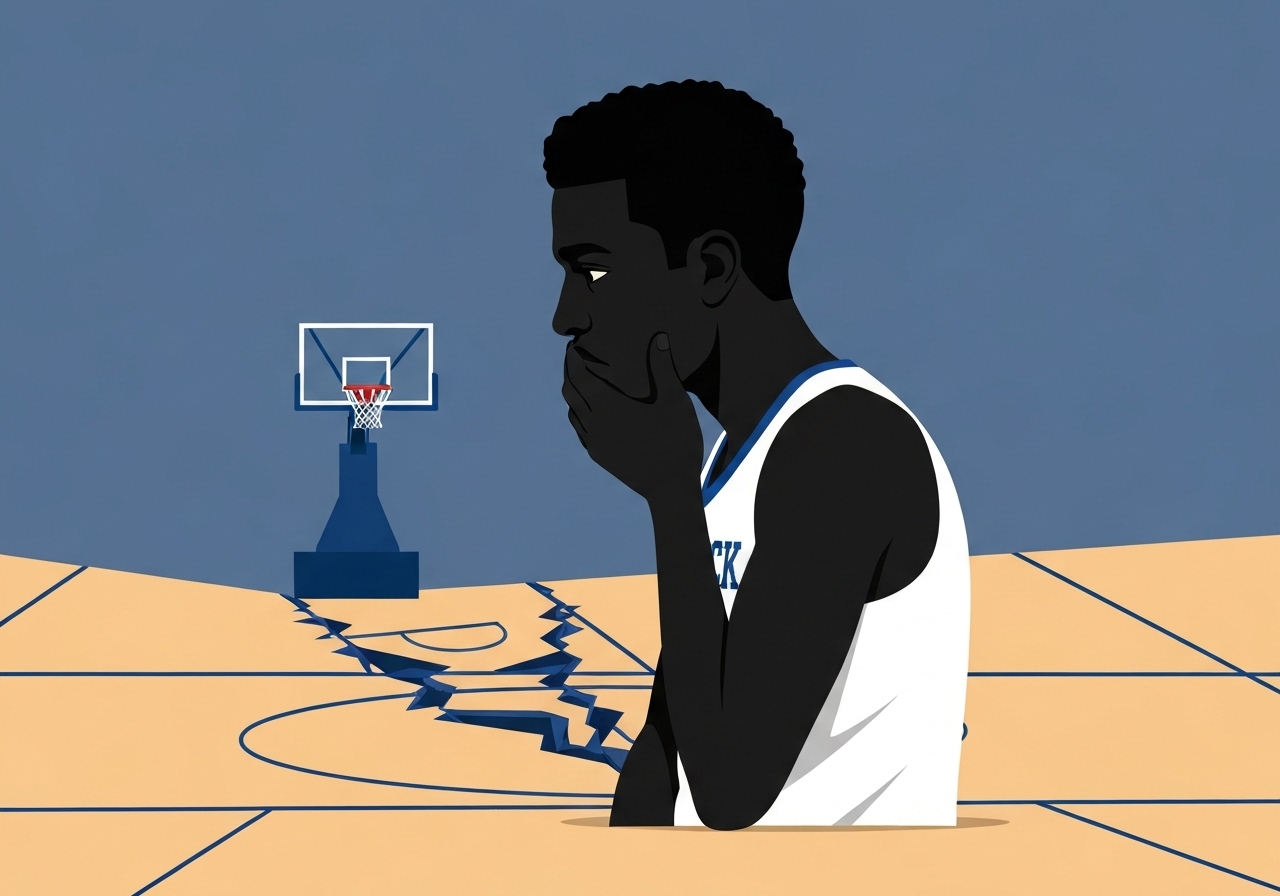
Kentucky suffered a 35-point defeat to Gonzaga in Nashville at Bridgestone Arena, a margin that drew early and sustained boos from Wildcats fans. The loss is tied for the third-worst in program history in the shot-clock era and is the program’s heaviest defeat since the 41-point loss to Vanderbilt in 2008. Hosts from Kentucky Sports Radio had publicly backed the Wildcats before tipoff but responded with blunt disbelief after the blowout. Head coach Mark Pope acknowledged that the crowd’s reaction was understandable.
Key Takeaways
- Kentucky lost by 35 points to Gonzaga at Bridgestone Arena, generating audible boos from fans early in the contest.
- The margin ties for the third-largest defeat in the program’s shot-clock era history and is the worst since a 41-point loss to Vanderbilt in 2008.
- Jaland Lowe appeared in the game, but his presence did not alter the outcome or the team’s performance issues.
- Coach Mark Pope conceded the crowd’s displeasure, saying the boos were “well deserved” after the team’s showing.
- Former Wildcat DeMarcus Cousins criticized the team’s apparent lack of heart, echoing a broader concern about competitiveness.
- KSR hosts had publicly predicted a Kentucky win and provided live postgame analysis from Bridgestone Arena, expanding coverage on their YouTube channel.
Background
Kentucky enters each season with elevated expectations driven by its history, recruiting profile and national profile. This year, offseason narratives stressed competitiveness and resilience, framing the roster as capable of deep runs and marquee wins. Nonconference matchups against programs like Gonzaga are treated as measuring sticks for where the Wildcats stand against top-tier competition. When a program accustomed to regularly competing at the highest level suffers a lopsided loss, it intensifies scrutiny of coaching, player cohesion and roster construction.
Historically, Kentucky’s worst margins are infrequent but remembered, with the 41-point defeat to Vanderbilt in 2008 often cited as the modern low point. Measures such as margin of defeat are used by analysts and selection committees to gauge team quality over time, so a loss of this magnitude reverberates beyond a single headline. Fans and media often view postseason prospects, recruiting momentum and internal culture through the prism of such results. That makes immediate reactions—both inside the locker room and in public commentary—especially consequential.
Main Event
From the opening half the game tilted decisively toward Gonzaga, and by midgame the scoring gap had widened to a point that silenced optimism in the crowd. Bridgestone Arena, hosting Wildcats supporters, registered audible discontent well before the final horn, with boos directed at performance and effort rather than venue or officiating. On the sideline, coaching staff and players struggled to find consistent answers as Gonzaga built and sustained leads across multiple runs.
Jaland Lowe logged minutes during the contest; individual contributions failed to mask systemic issues that were evident on both ends of the floor. Turnovers, defensive breakdowns and a lack of second-chance scoring compounded Kentucky’s difficulties, producing one of the program’s most lopsided results in recent memory. In postgame remarks, Coach Mark Pope did not deflect from the crowd reaction, stating plainly that the boos were justified and reflecting a sense of accountability.
Outside voices amplified concerns. DeMarcus Cousins, a prominent former Wildcat, criticized the team’s apparent lack of heart, an observation that resonated with fans and pundits weighing the program’s immediate outlook. Meanwhile, KSR hosts—who had forecast a Kentucky victory—shifted into damage-control and analysis mode, delivering rapid postgame breakdowns live from the arena and on their expanded YouTube coverage. Their immediate reaction underscored the gap between preseason expectations and the reality on the floor.
Analysis & Implications
A loss by this margin does more than alter a single box score: it reshapes narratives about Kentucky’s readiness and resilience. For coaches, it demands concrete adjustments in rotations, practice focus and game-planning; for players, it raises questions about chemistry and competitive identity. The team’s ability to respond in the next stretch of games will be decisive for public perception and internal morale. If corrective measures are effective, the result can be framed as an outlier; if problems persist, pressure on staff and roster choices will increase.
From a program-management perspective, such a defeat can impact recruiting conversations and national reputation, especially when highlighted by national outlets and amplified on social platforms. Prospective recruits and their entourages pay attention to visible signs of instability or inconsistency. At the same time, elite programs often recover from singular poor showings when they combine clear admissions of fault with demonstrable changes on the court.
On the metrics side, big losses factor into analytics that shape rankings and NCAA tournament seeding discussions later in the season. A swing of 35 points in a single game can influence aggregate efficiency numbers and strength-of-schedule assessments, which are used by both human voters and algorithmic models. That makes immediate, sound adjustments both a tactical and strategic necessity to limit long-term damage to the team’s profile.
Comparison & Data
| Game | Margin |
|---|---|
| Gonzaga vs. Kentucky (Nashville) | 35 points |
| Vanderbilt vs. Kentucky (2008) | 41 points |
The simple comparison above highlights how rare such a heavy defeat is for Kentucky in the modern era of the shot clock. While single-game margins do not tell the full story of a season, they serve as stark benchmarks. Analysts will watch whether subsequent results reduce the team’s efficiency deficits and reverse trends visible in this matchup.
Reactions & Quotes
“The boos were well deserved.”
Mark Pope, Kentucky head coach (postgame)
Coach Pope’s concise concession framed the immediate narrative inside the arena, signaling accountability rather than deflection. That remark was widely circulated by media covering the game.
“This team doesn’t seem to have much heart.”
DeMarcus Cousins, former Kentucky player
Cousins’ critique, coming from a high-profile alumnus, intensified discussion among fans and commentators about the team’s competitive disposition.
“We were optimistic going into the matchup, and the result surprised us all.”
Kentucky Sports Radio hosts (postgame commentary)
KSR hosts acknowledged their pregame confidence and used their expanded postgame coverage to parse what went wrong live from Bridgestone Arena.
Unconfirmed
- Reports of imminent staff changes or firings related to this single game are circulating on social media but have not been confirmed by the program or credible outlets.
- Rumors that specific players will be benched or transferred immediately after the game remain unverified and should be treated as speculation until official announcements are made.
Bottom Line
This lopsided defeat exposed acute problems for Kentucky that extend beyond a single lineup or matchup: defensive breakdowns, inconsistent execution and questions about competitive mentality all require attention. Coach Pope’s public acknowledgement and the blunt assessments from former players and commentators create pressure for visible corrections on the court. How the Wildcats respond in their next games will determine whether this loss becomes a learning pivot or a marker of deeper issues.
For fans, recruits and analysts, the coming weeks are key. Close monitoring of rotation adjustments, practice emphasis and short-term results will reveal whether the program can recalibrate quickly. Until then, this game stands as a sobering reminder that high expectations in college basketball can be overturned in a single, decisive result.