
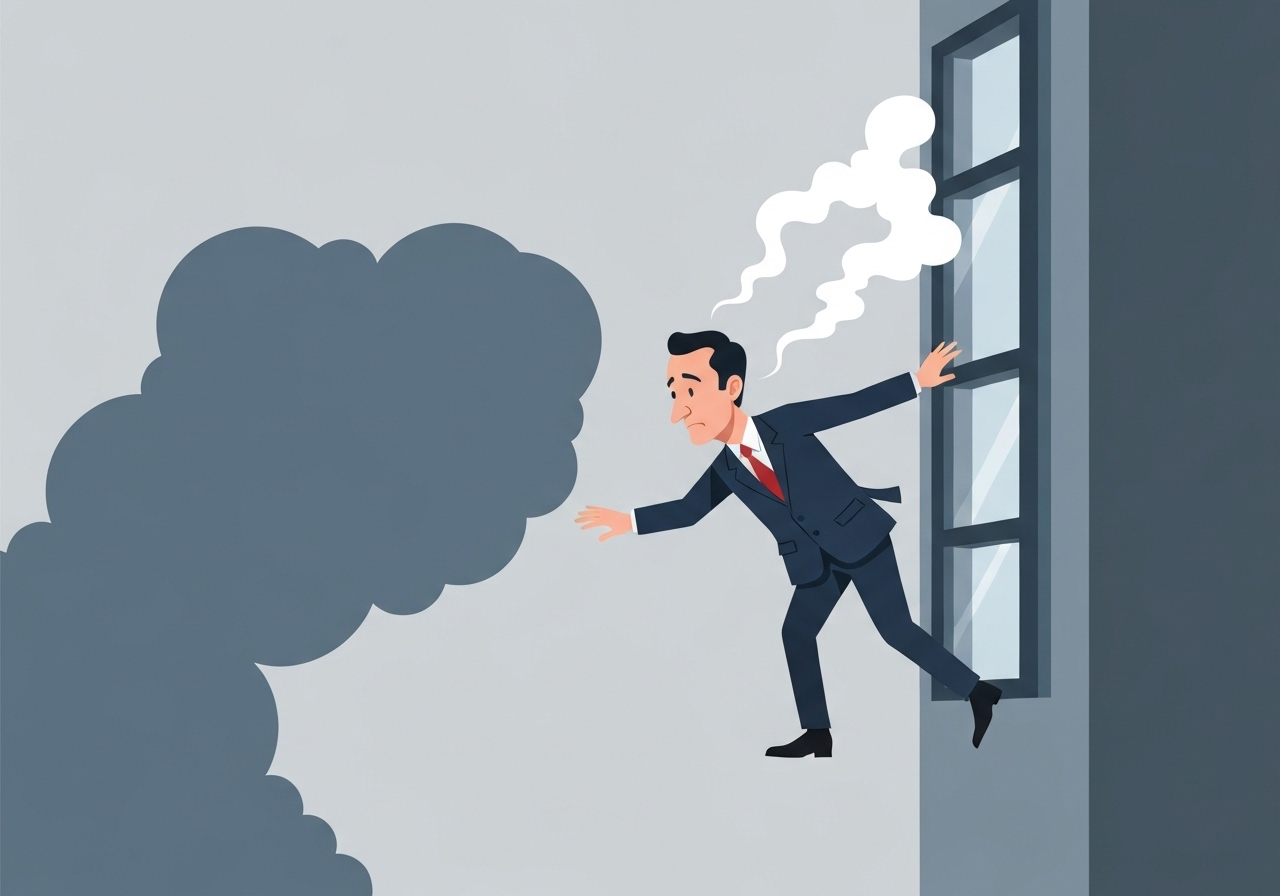
Former Harvard president and ex-Treasury secretary Larry Summers said he will step back from public commitments after emails showing continued contact with financier Jeffrey Epstein emerged following a congressional release. The messages indicate Summers communicated with Epstein up to the day before Epstein’s arrest in July 2019; Summers said he is “deeply ashamed” and will focus on repairing relationships while maintaining teaching duties. The release comes as the House prepares further votes to disclose related files and as the U.S. Department of Justice announced probes into Epstein’s ties to prominent figures. Summers’ institutional ties have already shifted: the Center for American Progress removed his affiliation after the emails became public.
Key Takeaways
- Emails released by Congress show Larry Summers exchanged messages with Jeffrey Epstein through July 2019, including contact the day before Epstein’s 2019 arrest for sex trafficking minors.
- Summers acknowledged the contacts and said he is “deeply ashamed,” announcing a step back from public commitments while keeping teaching responsibilities.
- The House Oversight Committee and other congressional actors are moving to release additional files related to Epstein; a vote was expected on Tuesday following the initial release.
- The U.S. Department of Justice said it would examine Epstein’s “involvement and relationship” with former President Bill Clinton and others, after public pressure and official inquiries.
- Institutional fallout began quickly: the Center for American Progress removed Summers’ listed affiliation the day the disclosures drew wide attention.
- Review of the released threads by news organizations found many high-profile names connected in the archives; one review reported former President Trump was mentioned frequently across threads.
- Summers has served in senior roles across administrations and academia, including Harvard president (2001–2006), Treasury secretary under Bill Clinton, and director of the National Economic Council under Barack Obama.
Background
The chain of disclosures dates to congressional scrutiny of Jeffrey Epstein’s network after his 2019 arrest and subsequent death. Lawmakers released portions of Epstein-related records to provide public transparency about his connections to influential individuals and institutions. Epstein had pleaded guilty in 2008 to solicitation involving a minor; renewed attention followed his 2019 federal indictment and the release of related documents.
Larry Summers has been a prominent economist and public official for decades, holding leadership roles at Harvard University and in two Democratic administrations. His professional network and public profile made any link to Epstein especially newsworthy, prompting immediate media coverage and institutional responses when the emails surfaced. The political context includes renewed partisan calls to probe Epstein’s ties to high-profile figures across the political spectrum.
Main Event
The newly released email threads show repeated contacts between Summers and Epstein, including social invitations and introductions Epstein sought to arrange to prominent global figures. One message from July 2018 records Epstein proposing introductions such as a meeting with the “president [sic] of united nations, interesting person for you”. Separately, Summers advised Epstein in 2016 to avoid spending effort on matters involving then-President-elect Donald Trump, citing concerns about conflict of interest and other political dynamics.
Summers issued a public statement, obtained by CBS News, acknowledging responsibility for continuing communications after Epstein’s 2008 conviction and expressing remorse for causing pain. He said he intends to “rebuild trust and repair relationships with the people closest to me” and will reduce public-facing commitments as part of that effort while continuing classroom duties at Harvard.
Institutional reactions were swift: the Center for American Progress, where Summers was listed as a senior fellow, removed his affiliation on its website. Congressional leaders and committees signaled further document releases and oversight steps; the House Oversight Committee provided the initial batch of messages that sparked the current round of reporting.
Analysis & Implications
The disclosures illustrate how long-standing social and professional ties can pose reputational risks when associates become subject to criminal investigation. Summers’ case underlines a core challenge for academic and policy elites: maintaining productive networks while managing exposure to associates whose conduct later becomes scandalized. For institutions, the episode raises questions about vetting, disclosure of affiliations, and how quickly organizations should respond to emergent reputational harm.
Politically, the timing complicates partisan narratives. The DOJ’s stated review of Epstein’s relationships, including with former President Clinton, and public pressure from President Trump and allies, have framed the story as a cross-cutting inquiry involving figures from multiple parties. That diffusion suggests congressional and prosecutorial attention may consider both historical contacts and whether any contemporaneous wrongdoing can be documented.
For Summers personally, stepping back from public commitments is a damage-control step that seeks to balance accountability with continuity in teaching and scholarship. Whether that action satisfies critics or stakeholders will depend on further disclosures, any new findings from official investigations, and the responses of Harvard and other affiliated organizations. Long-term consequences could include formal reassessments of institutional ties and revised conflict-of-interest practices across think tanks and universities.
Comparison & Data
| Item | Date / Detail |
|---|---|
| Last recorded Summers–Epstein contact | Day before Epstein’s arrest, July 2019 (per released emails) |
| Epstein prior conviction | 2008 federal plea in Florida |
| Summers Harvard presidency | 2001–2006 |
The table highlights key dates preserved in public records and reporting. The proximity of the final messages to Epstein’s 2019 arrest is central to current scrutiny; analysts will compare message content, frequency, and introductions sought by Epstein against timelines of official actions and known investigations.
Reactions & Quotes
I am deeply ashamed of my actions and recognize the pain they have caused. I take full responsibility for my misguided decision to continue communicating with Mr Epstein.
Larry Summers (statement, obtained by CBS News)
Summers’ statement frames his response as contrition and a pledge to step back from external commitments. The line was circulated to media and immediately prompted institutional changes.
Epstein was a Democrat, and he is the Democrat’s problem, not the Republican’s problem! They all know about him, don’t waste your time with Trump. I have a Country to run!
Donald J. Trump (social media post)
President Trump’s post frames partisan responsibility and urged investigations into multiple figures. Political actors on both sides cited the releases to press for further scrutiny; some called for comprehensive document disclosure while others cautioned against politicization of ongoing probes.
Unconfirmed
- There is no public evidence in the released emails that Summers participated in or was aware of Epstein’s criminal acts; allegations of wrongdoing by Summers beyond continued contact remain unproven.
- Reports that additional files will contain direct evidence linking specific public figures to criminal conduct have not been confirmed; further releases or official findings are required to substantiate such claims.
Bottom Line
The Summers disclosures show how archival records can prompt immediate reputational and institutional consequences, even without new criminal charges. Summers has acknowledged poor judgment in maintaining contact with Epstein and is taking steps to reduce his public profile while keeping classroom duties.
Beyond one individual’s choices, the episode is accelerating scrutiny of how universities, think tanks and public officials manage ties to controversial figures. Expect more document releases, renewed congressional inquiry, and continued debate over appropriate institutional responses as official investigations and media reviews proceed.
Sources
- BBC News (media report summarizing Summers statement and email release)
- CBS News (media — obtained Summers’ statement)
- U.S. House Oversight Committee (official — repository and documents related to Epstein released to Congress)
- U.S. Department of Justice (official — announcement of review into Epstein’s relationships)
- The Wall Street Journal (media — review of email threads and mentions of high-profile figures)