
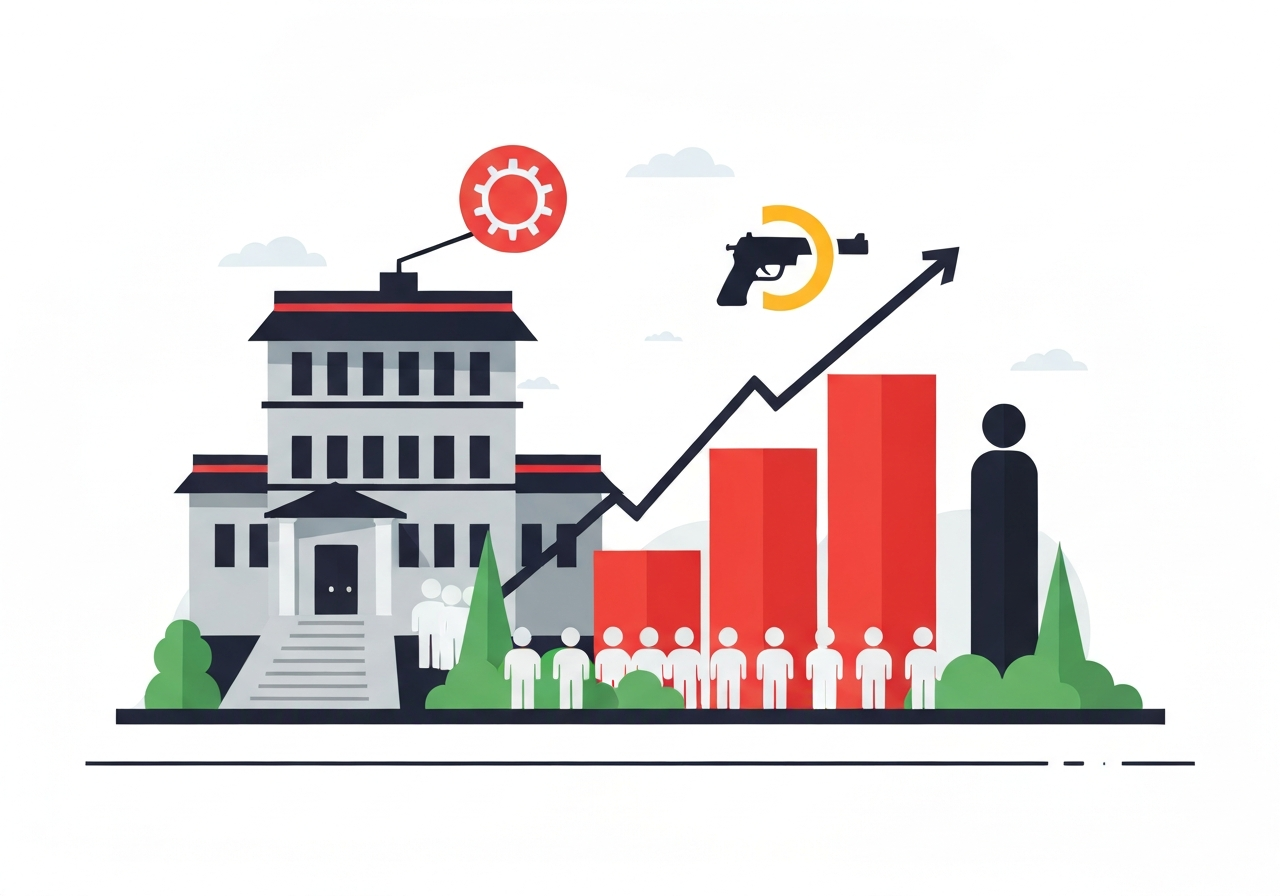
Lead: Since federal agents fatally shot Alex Pretti in Minneapolis on January 2026, multiple left-leaning and progressive firearms organizations report a rapid rise in demand for training and membership. Groups that once drew small, niche audiences say weekend classes and permit-to-carry courses are filling far beyond typical levels, and organizers link the spike to the federal law-enforcement action and the broader political climate under President Donald Trump. The influx includes more women, LGBTQ people and people of color, many seeking skills, legal knowledge and a perceived check against state force. Organizers and experts warn the shift could reshape local gun culture and provoke new political debates.
Key takeaways
- Registrations at Pink Pistols Twin Cities rose from an average of about 5 people per class to roughly 25 after Pretti’s killing; the group added seven extra permit-to-carry courses to meet demand, and those fill quickly.
- Weekend sessions at L.A. Progressive Shooters are reportedly sold out through March 2026, signaling sustained demand beyond a single surge.
- National organizations such as the Liberal Gun Club and the National African American Gun Association (NAAGA) report membership and inquiry increases since President Trump’s second term began and intensified after the incident.
- Observers note armed attendees at vigils and neighborhood watches in Minneapolis–St. Paul; some participants describe their presence as deterrence or community protection rather than intimidation.
- Political scientist Matt Lacombe and others say recent trends blur the traditional partisan split in gun purchases, with more left-leaning people buying firearms in response to perceived threats.
- The White House statement characterized carrying a weapon during enforcement operations as increasing the risk of force; that framing has alienated some across the political spectrum.
- Historical parallels are cited, including 1960s copwatching by the Black Panthers and the Mulford Act response in California, underscoring how visible armed civic activity has provoked legislative backlash before.
Background
Gun ownership in the United States has long skewed Republican and male at the population level, but the composition of new entrants has diversified substantially since 2020. Women, LGBTQ people and people of color have joined firearms clubs and safety courses at higher rates in recent years, often citing personal safety, distrust of institutions, or community defense as motivations. Political events, mass shootings and proposed or perceived restrictions on firearms historically drive spikes in purchases and training, a pattern analysts track alongside background-check and NICS data.
Alex Pretti, an ICU nurse and outdoorsman who owned a legally carried firearm, was disarmed and then shot by federal agents in Minneapolis in late January 2026 — an incident that quickly became a flashpoint. In its wake, progressive gun organizations that had previously operated on the margins say they are receiving sustained new interest. The current federal enforcement posture — described by supporters as an immigration crackdown and by critics as heavy-handed — has become a proximate catalyst for people who previously avoided firearms to seek training and legal education.
Main event
Local and national left-leaning gun groups report a surge in sign-ups and membership inquiries in the days and weeks after Pretti’s death. Pink Pistols Twin Cities, an LGBTQ-focused training group, moved from classes of about five average attendees to sessions of roughly 25, prompting organizers to schedule seven additional courses. L.A. Progressive Shooters lists weekend classes sold out for months, and other inclusive networks report being asked to share instructors and resources.
Organizers say the new members cite a combination of fear, anger and a desire to “equalize” what they perceive as a power imbalance when armed federal agents operate in civilian communities. Jordan Levine, who runs the inclusive resource hub A Better Way 2A, says gun groups and instructors across the country have asked to be added to resource pages in the weeks following the Minneapolis shooting, reflecting rapid network growth.
Videos circulating from vigils and neighborhood watches in Minneapolis–St. Paul show armed volunteers present; participants describe their role as protective observers rather than provocateurs. Some onlookers and participants explicitly invoke historic examples of organized, armed civic monitoring to justify their presence. The visible arming of protest spaces has drawn both support and concern within the left and from civil-rights advocates.
Analysis & implications
The entry of more left-leaning individuals into armed self-defense and training complicates the longstanding political association of gun ownership. Political scientist Matt Lacombe notes national-level gun-sales statistics can obscure local shifts; even if aggregate sales remain lower during certain administrations, pockets of growth among nontraditional demographics can affect local politics, policing dynamics and public safety debates.
Politically, the development pressures both parties. Conservatives who have traditionally used gun rights as a partisan wedge may find their messaging less resonant if prominent left-leaning communities adopt firearms for protection and civic monitoring. Conversely, left-leaning politicians and activists face tensions between anti-gun constituencies and new members who view arms as necessary for safety and resistance to perceived state overreach.
There is also a legal and enforcement dimension: law-enforcement encounters with armed civilians have a history of lethal outcomes, and divergent interpretations of when carrying constitutes lawful defense versus obstruction of operations will likely arise in courts and public debate. Civil liberties groups warn that selective enforcement or rhetoric that frames certain armed citizens as criminals could exacerbate polarization and undermine trust in institutions.
Comparison & data
| Group | Typical class size (pre) | Typical class size (post) | Program changes |
|---|---|---|---|
| Pink Pistols Twin Cities | ≈5 | ≈25 | Added 7 permit-to-carry courses |
| L.A. Progressive Shooters | Varied | Weekend sessions sold out through March 2026 | Expanded waitlists |
| National African American Gun Association (NAAGA) | Membership steady-growth | Membership increased since Trump’s second term and after Pretti’s death | Heightened inquiries |
The table captures published or reported changes: the most concrete numeric shift is Pink Pistols’ growth from about five to 25 per class and the addition of seven courses. Other organizations report qualitatively higher demand but have not published standardized membership counts for independent verification.
Reactions & quotes
Organizers, experts and officials have offered mixed responses that illustrate the political and social tensions at play.
“In the past couple of days, there has been a shift — this changed views on the left,”
Lara Smith, Liberal Gun Club (organization spokesperson)
Smith attributes the sudden interest to a realignment in how some left-leaning people view armed self-defense following the Minneapolis incident.
“People are scared and angry and want to equalize the power imbalance that we’re seeing on the news,”
Jordan Levine, A Better Way 2A (community organizer)
Levine described recent requests from regional groups and instructors to join resource networks; organizers describe a grassroots expansion in local training capacity.
“While Americans have a constitutional right to bear arms, Americans do not have a constitutional right to impede lawful immigration enforcement operations,”
Karoline Leavitt, White House press secretary (official statement, Jan 26, 2026)
The White House position frames the issue as a tension between carrying rights and the conduct of federal enforcement, a stance that has drawn criticism from a range of gun owners and advocates.
Unconfirmed
- Extent to which new sign-ups will translate into long-term membership and sustained engagement rather than short-term training — durable retention rates are not yet verified.
- Whether the appearance of armed individuals at vigils or patrols represents an organized, long-term strategy across left-leaning groups, as opposed to isolated local responses.
- Precise membership increases at many groups remain unpublished; some growth reports are based on organizer statements rather than independently audited figures.
Bottom line
The killing of Alex Pretti has catalyzed a notable, if still partly unquantified, influx of new participants into progressive and inclusive firearms communities. That shift is reshaping assumptions about the political and demographic contours of gun ownership and bringing questions of training, legal risk and civic norms into sharper relief.
Policymakers, advocates and local leaders will need to balance safety, civil liberties and community concerns: more people with firearms seeking protection complicates enforcement and could prompt both legislative and grassroots responses. Observers should watch whether these local surges persist, whether they alter voting behavior or advocacy coalitions, and whether they provoke legal or regulatory changes at state or federal levels.