
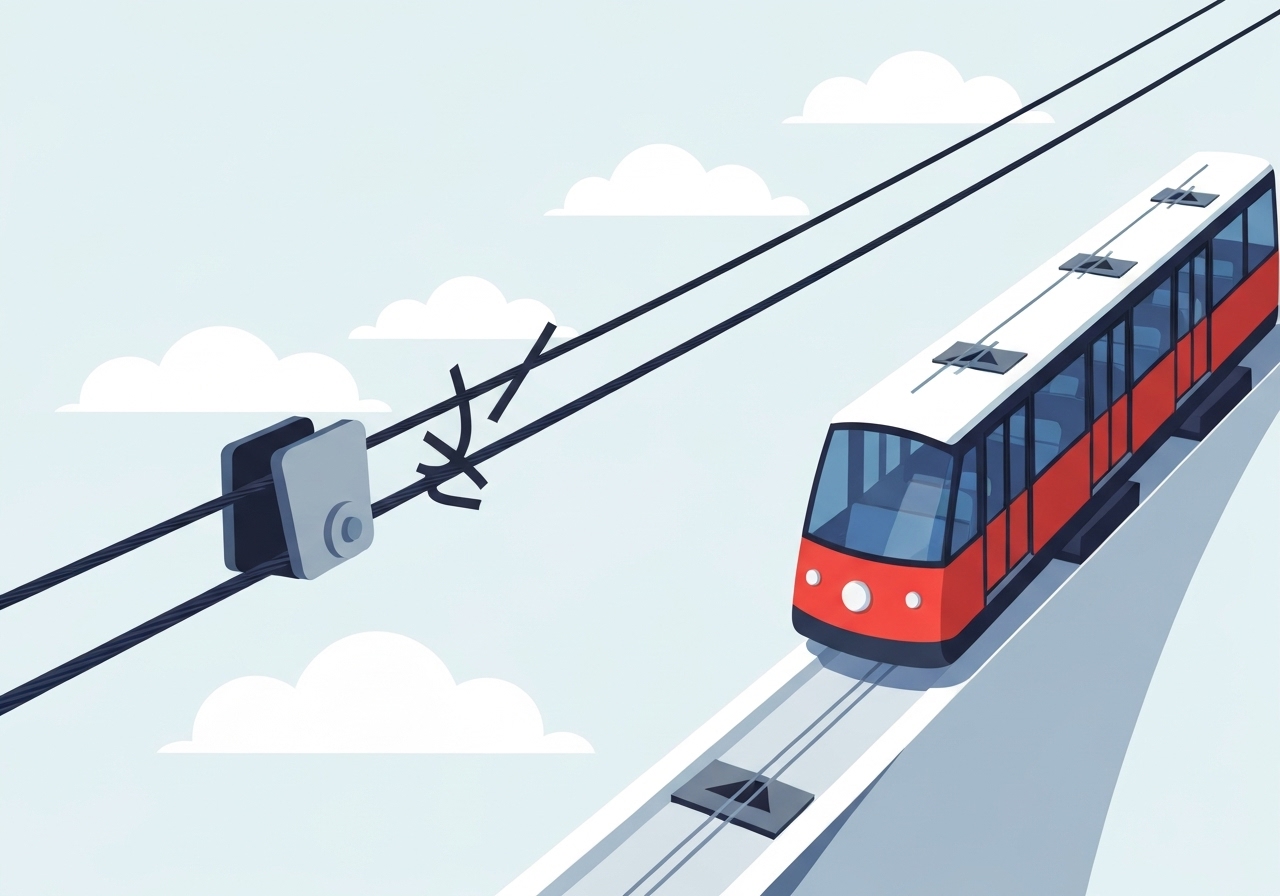
On 3 September 2025 in Lisbon, investigators say a connecting cable on the Glória funicular broke moments before the carriages derailed into a building, killing 16 people and injuring at least 20; emergency braking was applied but did not stop the vehicle.
Key takeaways
- A section of the funicular’s connecting cable fractured shortly before the crash.
- Sixteen people died; at least 20 were injured, with five in critical condition.
- The carriages had moved no more than six metres when they lost balancing force and derailed.
- Brake systems—both pneumatic and manual—were activated but failed to reduce speed.
- The vehicle struck a building at about 60 km/h (37 mph); the whole event unfolded in roughly 50 seconds.
- The cable was 337 days into a planned 600‑day operational life and had passed a scheduled visual inspection the same morning.
- Two independent inquiries are under way: the GPIAAF investigation and a prosecutors’ inquiry; a preliminary report is due within 45 days.
Verified facts
Portugal’s Office for the Prevention and Investigation of Aircraft Accidents and Railway Accidents (GPIAAF) published findings that a portion of the connecting cable between the Glória funicular’s carriages separated shortly before the derailment. Inspectors said the carriages travelled no more than six metres after losing the balancing force provided by that cable.
Investigators reported that the vehicle’s brake-guard immediately engaged both the pneumatic and manual brakes, but these actions “had no effect in reducing the vehicle’s speed.” The funicular struck a building at approximately 60 km/h (37 mph). The agency estimates the sequence lasted about 50 seconds from start to impact.
The crash on 3 September left 16 people dead and at least 20 injured; five remained in critical condition at the time of the report. Nationalities among the fatalities include three British citizens (two of them named as Kayleigh Smith, 36, and William Nelson, 44), two South Koreans, two Canadians, one Frenchwoman, one Swiss, one American and one Ukrainian, with authorities describing 11 of the victims as foreign nationals.
GPIAAF said routine maintenance records were up to date and a scheduled visual inspection had been carried out the morning of the accident; however, the exact section of cable that separated was not visible without dismantling the mechanism. The agency also noted the cable was 337 days into an expected 600‑day operational life.
Context & impact
The Glória funicular is an iconic steep-line lift serving tourists and residents between Lisbon’s Baixa and Bairro Alto. The accident has raised safety concerns for heritage transport systems that combine older infrastructure with frequent public use.
Local officials and transport operators face pressure to review inspection methods, particularly where visual checks cannot access concealed components. The finding that visible checks did not reveal the fault is likely to prompt changes to inspection protocols and maintenance cycles.
Beyond immediate safety reviews, the crash has diplomatic and tourism implications: with international victims among the dead, consular engagement and reputational effects for Lisbon’s visitor sector are likely to follow.
Official statements
“According to the evidence observed so far, the scheduled maintenance plan was up to date, and a scheduled visual inspection had been conducted on the morning of the accident, which detected no anomalies in the vehicles’ cable or braking systems.”
GPIAAF (Portuguese accident investigators)
Unconfirmed
- The exact mechanical cause of the cable separation and whether a hidden defect or material failure initiated the break remain under investigation.
- The precise number of passengers aboard the carriage at the moment of the incident, and the number of people on the street hit by debris, have not been finalized in public records.
- It is not yet confirmed whether additional non-visual inspection methods (for example, dismantling or non-destructive testing) had been scheduled prior to the accident.
Bottom line
Investigators conclude a cable fracture preceded the derailment and that emergency braking could not stop the carriages before impact. The report is likely to trigger a review of inspection regimes for heritage and urban cable-driven systems, including access to concealed components and the use of more rigorous non-visual checks.
Two independent inquiries continue: GPIAAF will publish a preliminary report within 45 days and prosecutors are conducting a parallel legal inquiry. Further technical analysis will be required to determine whether procedural gaps or mechanical flaws caused the cable separation.