
Lead
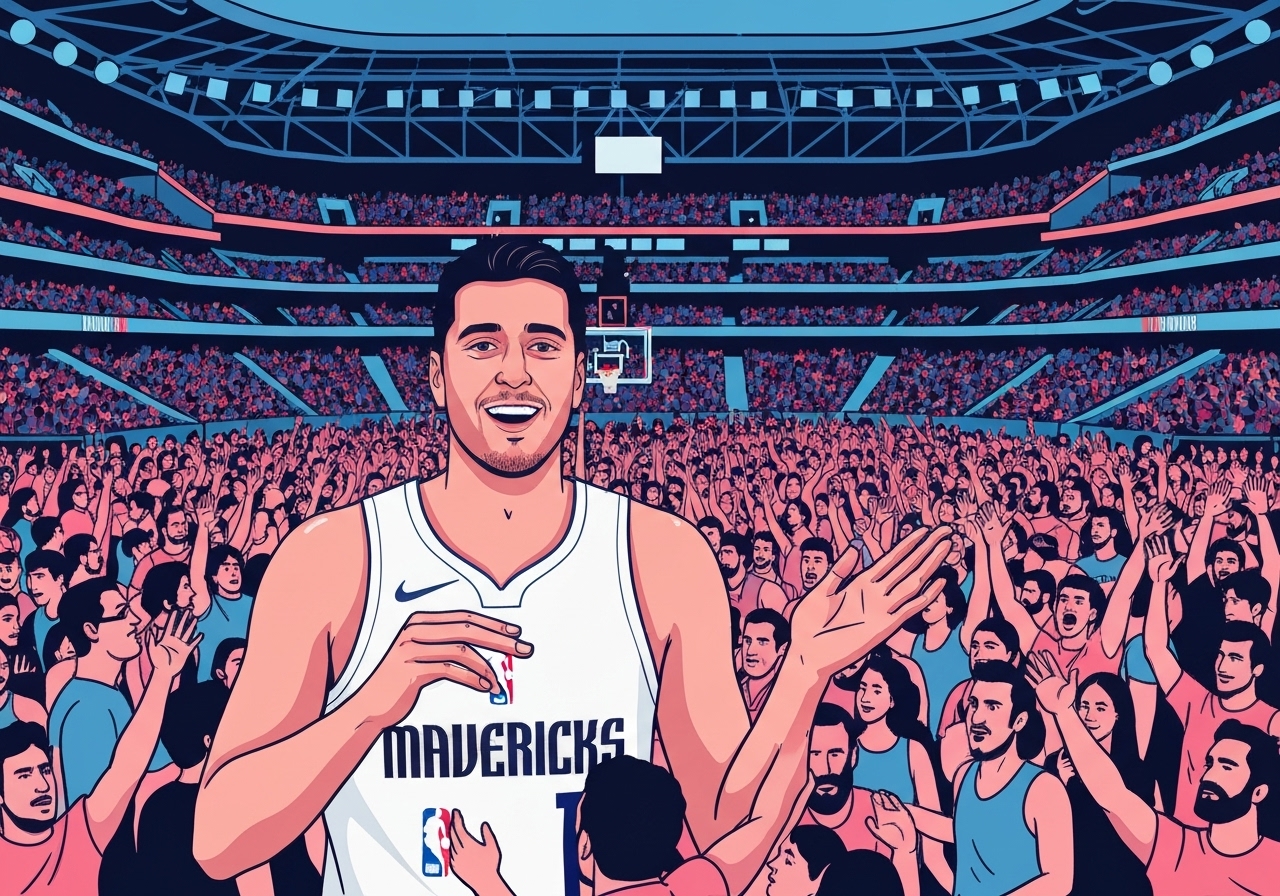
When asked about the firing of Nico Harrison on Nov. 13, 2025, Luka Dončić spoke warmly of Mavericks supporters in Dallas, saying the city and its fans will always matter to him even after his trade to the Lakers. The move follows owner Patrick Dumont’s decision to dismiss Harrison nine months after the blockbuster deal that sent Dončić to Los Angeles. Dončić added that he is focused on his new role with the Lakers but keeps fond memories of Dallas. The comment came amid ongoing fan protests and fresh scrutiny of the Mavericks’ front office choices.
Key Takeaways
- Nico Harrison was fired by Mavericks owner Patrick Dumont on Nov. 13, 2025, roughly nine months after trading Luka Dončić to the Lakers.
- The trade sent Dončić to the Lakers for Anthony Davis, Max Christie and a first-round pick, triggering a prolonged fan backlash in Dallas.
- Mavericks supporters staged protests outside American Airlines Arena and repeatedly chanted “Fire Nico,” with some fans removed from games for anti-Harrison signs.
- The Mavericks privately told media the trade was influenced by concerns about Dončić’s conditioning and diet, a claim that has circulated since the deal.
- The Lakers began the season 8-4 with Dončić and Austin Reaves leading scoring while LeBron James recovers from sciatica and is expected back in the coming weeks.
- Anthony Davis missed significant time while in Dallas, appearing in 14 of 44 games for the Mavericks; meanwhile Dallas is 3-9 early in the season despite adding No. 1 pick Cooper Flagg.
Background
The trade that sent Luka Dončić from Dallas to Los Angeles was executed nine months before Nico Harrison’s dismissal. Harrison, who held a senior basketball operations role with the Mavericks, became the focal point for fans upset at how the franchise handled the franchise-altering swap. The move included veteran star Anthony Davis moving to Dallas in the exchange alongside role players and a draft asset, a package that immediately changed both teams’ roster constructions.
Fan anger in Dallas intensified quickly: supporters blamed the front office for losing a franchise cornerstone and mobilized at home games and other public events. The Mavericks organization responded to media inquiries by pointing to internal evaluations of player conditioning and availability as factors in the controversial decision—an explanation that further inflamed public reaction. Ownership changes of tone and personnel followed as the team attempted to manage fallout on and off the court.
Main Event
On Nov. 13, 2025, Patrick Dumont announced the firing of Nico Harrison, ending a tenure that had culminated in the trade of Dončić. The dismissal came after sustained public pressure and internal debate about the franchise’s direction. According to reporting, the firing was framed by ownership as a step toward resetting the organization’s leadership and restoring trust with the fan base.
Speaking to reporters after the announcement, Dončić offered a conciliatory message about his time in Dallas, emphasizing personal gratitude rather than criticizing his former employer. He acknowledged that Dallas will always hold significance for him while also reiterating his current commitment to the Lakers. Dončić’s public posture has generally been to avoid extended media disputes with the Mavericks since the trade.
In Dallas, protests continued even after Harrison’s dismissal. Supporters gathered outside the arena and at games, chanting for accountability and displaying anti-Harrison signage; venue staff removed some fans for violating arena rules. The demonstrations illustrated how intensely the local community viewed the trade and its consequences for the franchise’s identity.
On the court, Los Angeles has seen a generally positive start with Dončić integrating into a revamped roster. The Lakers entered the stretch following a first-round playoff exit last season and reshaped their roster to add shooting and spacing around their new star. Meanwhile, Dallas has struggled to find consistent form and remains below .500 early in the season.
Analysis & Implications
The firing of a senior executive nine months after a marquee trade underscores the volatile intersection of basketball decisions, public opinion and organizational accountability. For the Mavericks, the move signals a willingness by ownership to make personnel changes in response to both results and sustained fan dissatisfaction. It also raises questions about internal decision-making processes that led to a transaction involving a franchise centerpiece.
For the Lakers, acquiring Dončić represents a long-term strategic bet that blends elite playmaking with existing star power. Early-season results (8-4) suggest the partnership is producing immediate benefits, though the team must manage LeBron James’ short-term absence for sciatica and longer-term load management for aging veterans. How the Lakers balance minutes, health and roster construction will shape playoff expectations.
Dallas faces a different challenge: repairing trust with its fanbase while assembling a competitive roster under scrutiny. The team’s 3-9 start, compounded by Anthony Davis’ limited availability (14 of 44 games), suggests instability that ownership and incoming personnel must address. The presence of top rookie Cooper Flagg gives a developmental avenue, but expectations for immediate turnaround are tempered.
Broader implications touch on how franchises communicate roster and medical assessments to the public. Leaks or public rationales that place responsibility on player conditioning can amplify tensions and lead to reputational damage if perceived as scapegoating. Teams will likely revisit internal transparency and media strategies to avoid similar backlash in high-profile transactions.
Comparison & Data
| Team | Early-season record | Notable injuries/games | Key offseason moves |
|---|---|---|---|
| Los Angeles Lakers | 8-4 | LeBron James out to start season (sciatica); expected back in weeks | Added Luka Dončić |
| Dallas Mavericks | 3-9 | Anthony Davis: 14 of 44 games played | Added No.1 pick Cooper Flagg; traded Dončić |
The table above highlights the divergent early records and health availability shaping each franchise’s short-term outlook. Los Angeles’ better start reflects a smoother roster fit thus far, while Dallas’ struggles align with injuries and roster turnover.
Reactions & Quotes
“The city of Dallas and its fans will always have a special place in my heart, but right now my focus is on the Lakers and moving forward.”
Luka Dončić (player)
Dončić’s statement aimed to acknowledge fan loyalty while confirming his priorities are with Los Angeles; he avoided extended criticism of the Mavericks organization after the trade and subsequent firing.
“Fire Nico.”
Dallas fans (public chants at games and rallies)
The repeated chant captured collective frustration among a segment of the Mavericks’ fanbase, who viewed Harrison as the principal architect of the trade and a symbol of wider discontent.
“The trade decision reflected evaluations about player availability and conditioning,”
Mavericks front office (leaked to media)
That characterization, reported by local outlets, contributed to controversy because it shifted attention to Dončić’s fitness and diet—claims that have not been fully detailed in public records.
Unconfirmed
- Whether the Mavericks’ public rationale about Dončić’s conditioning was the principal, sole reason for the trade remains unconfirmed; the claim originates from leak reports rather than a formal, detailed team disclosure.
- The exact internal deliberations and votes among Mavericks executives and ownership that led to Harrison’s firing have not been publicly released.
- Specific counts of fans ejected for anti-Harrison signs are reported anecdotally; independent verification of numbers and incidents is limited.
Bottom Line
The dismissal of Nico Harrison is a consequential fallout from a high-profile trade that reshaped two franchises and provoked sustained fan unrest. Dončić’s public comments framed his departure from Dallas in personal, conciliatory terms while signaling his professional commitment to the Lakers. For Dallas, the challenge is dual: address on-court performance and rebuild trust with a passionate, mobilized fan base.
How both teams manage injuries, minutes and communication in the coming months will determine whether the early records hold predictive value for playoff aspirations. Ownership decisions, including further front-office changes or clear public explanations, will be pivotal in stabilizing each franchise’s trajectory.
Sources
- New York Post (news)