
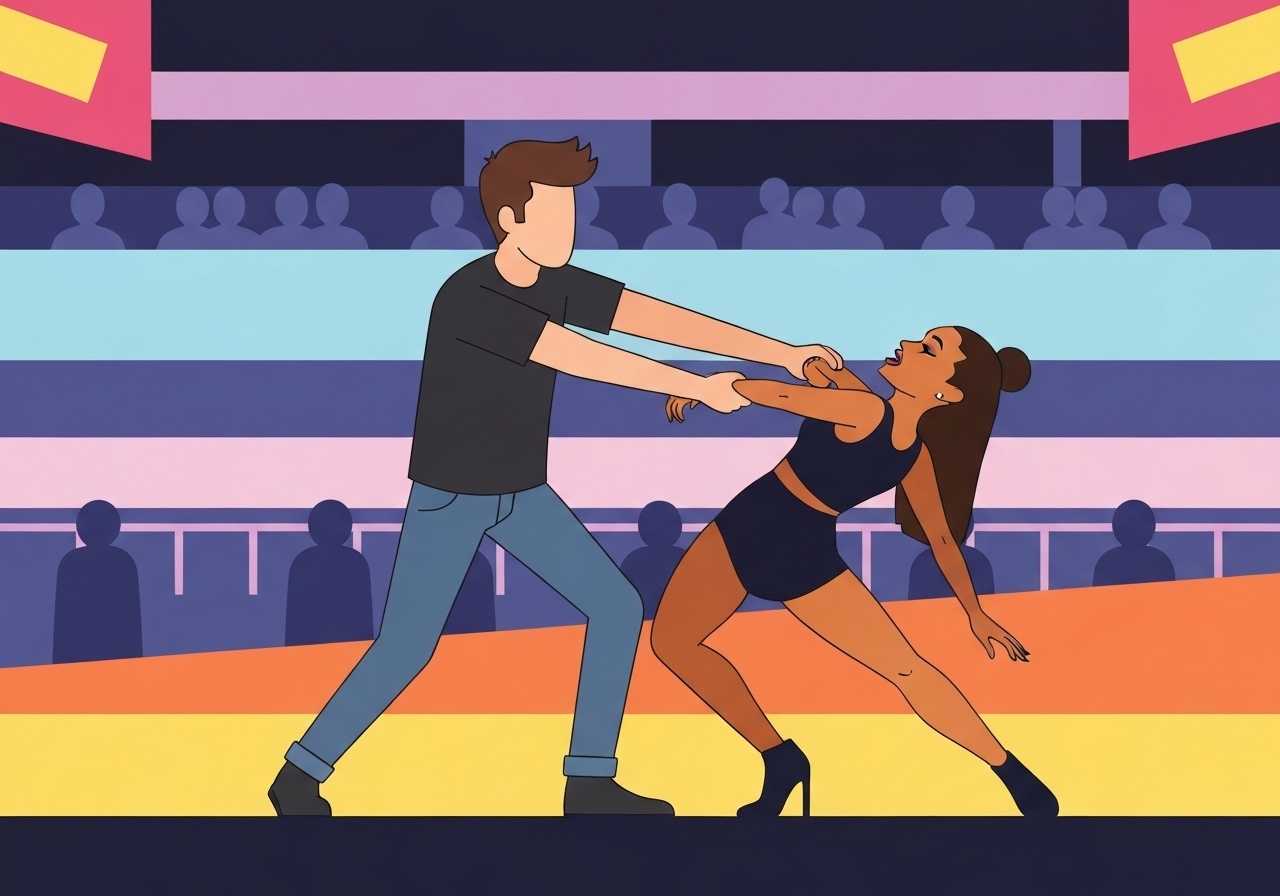
An Australian man, Johnson Wen, who was jailed in Singapore last month after grabbing pop star Ariana Grande, was removed from a Lady Gaga concert at Brisbane’s Suncorp Stadium on Tuesday night. The 26-year-old posted on Instagram that he was “kicked out” before the performance began. Venue officials say the decision followed a review of his prior record of concert disruptions rather than any incident inside the arena. The removal took place while Lady Gaga is around halfway through her Mayhem World Tour.
Key Takeaways
- Johnson Wen, 26, was sentenced in Singapore to nine days in jail last month for grabbing Ariana Grande at the Asian premiere of Wicked: For Good.
- Following that sentence Wen was deported from Singapore and banned from the city-state, according to court reporting.
- Wen was removed from Suncorp Stadium in Brisbane on Tuesday night before Lady Gaga’s set began; he said on Instagram that security had ejected him.
- Videos on social media show security staff leading Wen from the venue as portions of the crowd both cheered and booed.
- The venue told the Sydney Morning Herald it had been alerted that a “known serial offender may attempt to attend and disrupt” the concert and so deemed him a person of interest.
- Other clips on Wen’s social accounts show him jumping on stage or disrupting performances by artists such as Katy Perry and The Weeknd.
- Singapore’s judge, Christopher Goh, reportedly criticised Wen’s behaviour during sentencing, saying it put others’ safety at risk.
Background
Wen first came to broad attention after he charged at Ariana Grande during the Asian premiere of Wicked: For Good in Singapore. The incident prompted a criminal case in a jurisdiction noted for strict public-order laws; a court there sentenced him to nine days behind bars and later ordered his deportation. Singaporean reporting of the hearing quoted the presiding judge as saying Wen appeared to be seeking attention and had disregarded public safety. The episode touched a raw nerve because Grande has previously discussed trauma after the 2017 Manchester attack, and many fans saw the Singapore incident as retraumatising.
Across social media, Wen has posted clips showing multiple interruptions at high-profile events, including alleged on-stage intrusions at shows by Katy Perry and The Weeknd. Those recordings helped shape venue risk assessments when he traveled to Australia. Lady Gaga’s current Mayhem World Tour has drawn large stadium audiences globally, prompting promoters and venues to heighten security protocols for both artist safety and crowd management. Organisers increasingly face pressure to pre-screen and bar patrons with a history of disruptive conduct.
Main Event
On Tuesday night at Suncorp Stadium in Brisbane, security officers removed Wen before Lady Gaga took the stage. Video circulated online showing staff holding him by the arm and walking him from the seating bowl; crowd reaction in the footage alternated between boos and applause. The stadium later told the Sydney Morning Herald it had been warned that a previously problematic attendee might try to enter and disrupt the show and that, in the interest of artist safety, the person was denied entry.
Wen himself posted that he was ‘‘kicked out’’ on Instagram, but there is no public record that he committed any further disturbance inside the venue that night. Organisers emphasised that the removal was preventative, citing his prior conviction and the potential risk to performers and attendees. Officials did not disclose operational details such as whether Wen arrived with a ticket or how he was detected before the concert began.
The decision occurred amid heightened sensitivity around concerts and fan safety, as venues balance open access with protective screening. Lady Gaga’s tour schedule and large venue choices have prompted venue operators to share intelligence about potential disruptive individuals. Security teams at stadium shows coordinate with promoters, venue management and sometimes law enforcement to assess threats and act before incidents can unfold.
Analysis & Implications
The ejection highlights a growing trend: venues taking pre-emptive action based on a person’s prior behaviour rather than waiting for an on-site incident. From a risk-management perspective, barring admission can reduce immediate harm to artists and audiences, but it raises questions about due process and the criteria venues use to deny entry. Public safety advocates argue that venues must have transparent, consistent policies to avoid arbitrary exclusions while still protecting performers and fans.
Legally, Wen’s prior conviction in Singapore gives promoters ground to treat him as a heightened risk, especially given the cross-border publicity of the Ariana Grande incident. Deportation and bans imposed by foreign authorities do not automatically translate into Australian legal restrictions, so private venues rely on their own policies and intelligence. This episode illustrates how criminal outcomes overseas can influence private-sector decisions in other countries when public safety is invoked.
For artists and their teams, high-profile interruptions increase the pressure to tighten backstage and front-of-house security, possibly changing how meet-and-greets, premieres and public appearances are staged. There is also reputational risk: venues that fail to act before an incident face scrutiny, while overly aggressive exclusion policies can draw criticism for restricting legitimate fans. Promoters must navigate that balance amid rising expectations for safety.
Comparison & Data
| Incident | Location | Consequence |
|---|---|---|
| Grabbed Ariana Grande (Wicked: For Good premiere) | Singapore | Sentenced to 9 days jail; deported and banned |
| Removal at Lady Gaga concert | Brisbane, Suncorp Stadium | Ejected before show for being a person of interest |
| Other recorded disruptions | Various international venues | Social-media clips show stage-jumping or interruptions |
The table summarises known public incidents connected to Wen as reported in media and on his social accounts. While the Singapore conviction is a court-documented outcome, other disturbances are primarily evidenced by social video and venue statements. The distinctions matter for how venues and law enforcement treat each event: criminal conviction carries legal penalties, whereas public social clips inform private security assessments.
Reactions & Quotes
Venue and court responses framed the removal as a safety measure informed by past behaviour. The stadium said intelligence suggested a potential attempt to disrupt, and therefore acted to protect the artist and audience.
“A known serial offender may attempt to attend and disrupt”
Suncorp Stadium (venue statement to Sydney Morning Herald)
The Singapore court’s sentencing hearing included pointed criticism of Wen’s conduct, which local reporting captured as a judge admonishing the behaviour for endangering others.
“You seem to be attention-seeking, thinking only of yourself and not the safety of others when committing these acts.”
Judge Christopher Goh (reported)
Fans who followed the Grande incident expressed anger and concern on social platforms, characterising the earlier assault as retraumatising to the artist given her prior experience of mass-casualty trauma at the 2017 Manchester concert.
“He re-traumatised Ariana Grande”
Fans on social media (public reaction)
Unconfirmed
- Whether Wen intended to disrupt Lady Gaga’s performance or was merely attending is not independently confirmed beyond his Instagram post claiming he was “kicked out.”
- It is unclear from public reporting whether Wen had purchased a ticket or attempted entry through another access channel at Suncorp Stadium.
- Details about how venue staff were alerted to his possible attendance (specific tip, ticket screening, watchlist, etc.) have not been publicly disclosed.
Bottom Line
The removal of Johnson Wen from a Lady Gaga concert in Brisbane illustrates how venues are increasingly acting on prior conduct to prevent incidents rather than responding after the fact. Wen’s nine-day sentence and deportation from Singapore for grabbing Ariana Grande created a public record that event organisers used to assess risk. Preventive ejection reduces immediate danger to artists and audiences but raises transparency and fairness questions about how decisions are made and communicated.
For the touring industry, the episode underscores the need for standardised, evidence-based exclusion policies and better cross-jurisdiction information sharing about repeat offenders. Artists, venues and promoters will likely continue to tighten pre-event screening and intelligence-sharing to protect live events while working to preserve legitimate fan access.