
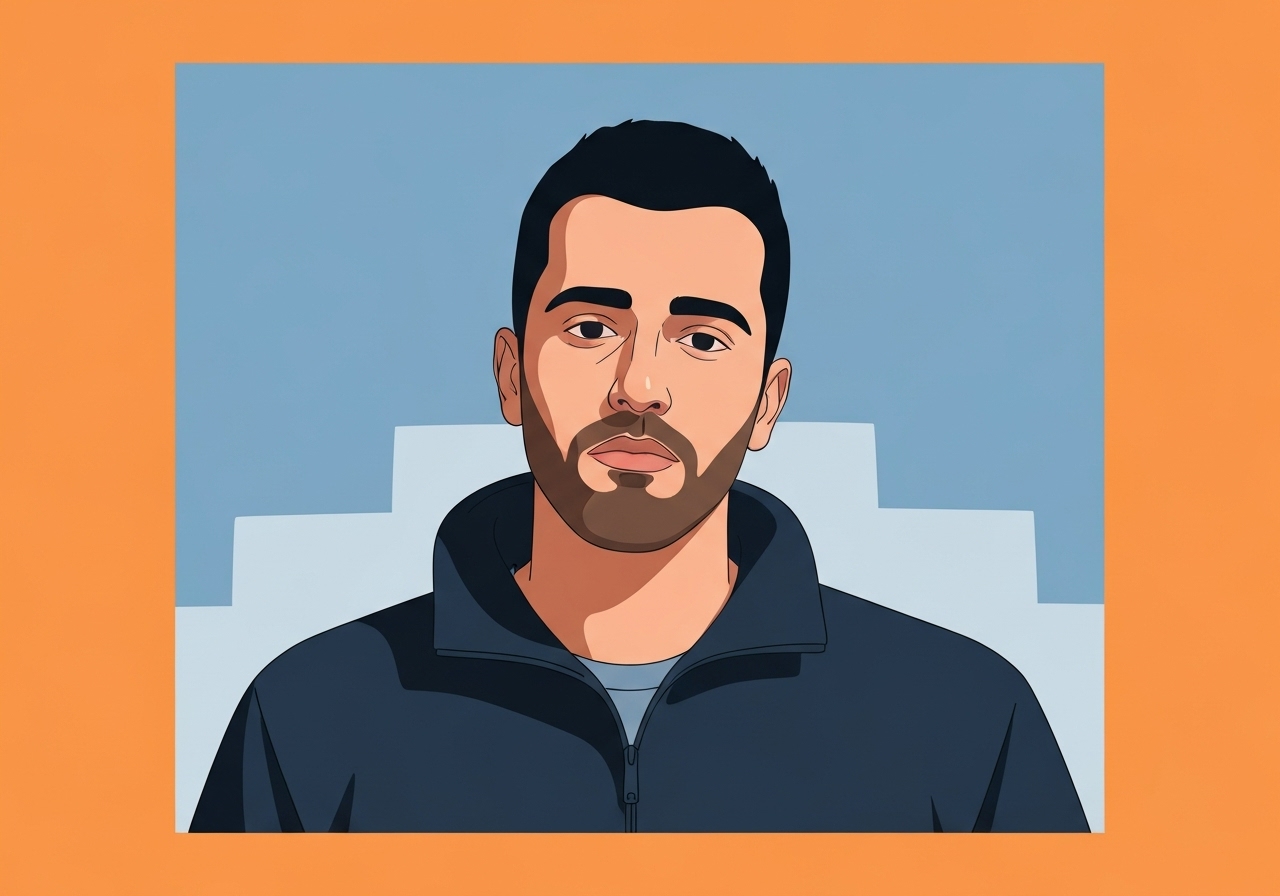
Israeli authorities on Thursday identified remains handed over by Hamas as those of 73-year-old Manny Godard, a resident of a kibbutz near the Gaza Strip who was killed in the Oct. 7, 2023 attack. Godard and his wife Ayelet were overtaken during the assault on communities near Gaza and their bodies were taken into the territory afterwards. The transfer of remains was carried out via the International Committee of the Red Cross (ICRC) under the terms of a U.S.-brokered ceasefire arrangement and subsequently examined by Israel’s National Center of Forensic Medicine. Israeli officials said the identification reduces the number of deceased hostages believed to remain in Gaza to three.
Key Takeaways
- Manny Godard, 73, an Israeli resident of Be’eri kibbutz near the Gaza Strip, was identified on Thursday after remains were returned by Hamas via the ICRC.
- Godard and his wife Ayelet were killed during the Oct. 7, 2023 Hamas attack; attackers took their bodies into Gaza after the assault.
- Israel’s National Center of Forensic Medicine confirmed the identification following transfer from the Red Cross to Israeli authorities.
- The handover occurred as part of a U.S.-brokered ceasefire mechanism; Hamas did not specify which deceased hostage it had returned.
- Recent weeks have seen multiple transfers, including the remains of Lt. Hadar Goldin from the 2014 conflict; officials say this was the fifth transfer in just over a week.
- Israeli officials report three deceased hostages still believed to be in Gaza; intelligence assessments say locating all remaining remains may be difficult.
- Families and advocacy groups, led by the Hostages and Missing Families Forum, continue public rallies calling for the return of all hostages, living and dead.
Background
The Oct. 7, 2023 Hamas attack on Israeli communities along the Gaza border produced widespread abductions and killings; many victims were taken into Gaza, creating a prolonged humanitarian and political crisis. Be’eri kibbutz, where Godard lived, was among the places hit hard in the assault, with residents reporting house burnings, shootings and mass chaos as attackers moved through communities. Since then, families of the missing and killed have organized to press for returns, forming groups such as the Hostages and Missing Families Forum to coordinate demonstrations and negotiation pressure.
For years the fate of some hostages—both living and deceased—has been a central bargaining point between Israel and Hamas, involving third parties including Egypt, Qatar and the International Committee of the Red Cross. The exchange and handover of remains have sometimes occurred alongside temporary ceasefires and mediated talks; returns of bodies are logistically complex and politically sensitive, requiring coordination for transfer, identification and repatriation. Forensic identification processes in Israel rely on the National Center of Forensic Medicine, which receives remains from international intermediaries and issues formal identifications before burial.
Main Event
On Thursday a coffin transferred by the ICRC from Gaza was delivered to Israel and taken to the national forensic laboratory, officials said. The ICRC acted as intermediary under the terms of a U.S.-brokered arrangement that sought to pause hostilities and allow humanitarian and forensic procedures to proceed safely. Israel’s forensics center completed testing and publicly confirmed the remains belonged to Manny Godard, a 73-year-old who had lived in Be’eri kibbutz.
The Hostages and Missing Families Forum provided additional context about Godard’s final hours: according to the group, he and his wife hid in their home’s safe room, fled after the house was set ablaze, and were attacked outside; Ayelet was later found murdered after hiding in nearby bushes. Hamas’ military wing earlier said it would hand over the body of an Israeli found near Khan Younis in southern Gaza, but did not name the individual at the time of transfer. Israeli officials said the latest return reduces the list of deceased hostages believed to remain in Gaza to three.
This handover follows a spate of similar transfers in recent days. Among them was the return of Lt. Hadar Goldin’s remains, a soldier killed during the final days of the 2014 conflict with Hamas, which Israeli and international actors reported as part of a series of exchanges over the last week. Israeli authorities have said they are continuing to pressure mediators and monitor efforts by Hamas to locate and hand over additional remains.
Analysis & Implications
The identification of Godard’s remains matters on multiple levels: it provides families with closure and enables burial according to Israeli law and ritual, while also shaping domestic politics by keeping the hostage issue at the forefront of public debate. The repeated returns underscore how humanitarian intermediaries like the ICRC become operationally and politically central in ceasefire phases, since direct contact between the parties is rare and risky. Each return can increase pressure on mediators to secure broader deals, but it can also harden public expectations that all remains and living hostages must be returned before normal political processes continue.
From a security perspective, intelligence assessments that Hamas may not be able to locate all remaining remains complicate prospects for a complete accounting of the dead, and they may affect how Israel and mediators prioritize search-and-recovery efforts versus prisoner exchanges. The staggered nature of returns can be tactical: for Hamas it can be bargaining leverage or a response to logistical limits; for Israel it becomes both a moral imperative and a diplomatic lever. International actors watching the process will likely weigh further assistance and pressure based on whether returns continue and on the treatment of living hostages.
Psychologically, the returns have a profound effect on former captives and surviving family members. Freed hostages, such as Eitan Horn—freed after 738 days—have said publicly that they cannot complete their recovery while other families lack closure. That sense of shared unfinished mourning can amplify domestic calls for stronger government action and sustained international involvement.
Comparison & Data
| Metric | Count / Note |
|---|---|
| Transfers reported in little more than one week | 5 |
| Deceased hostages believed still in Gaza | 3 |
| Days in captivity (example) | Eitan Horn: 738 days (freed) |
The table summarizes public counts reported by Israeli authorities and media: five separate transfers were reported in a brief period, reducing the number of deceased hostages still believed to be in Gaza to three. These numbers reflect official identifications and statements from the national forensic center and government spokespeople; they do not capture unidentified remains that may still be unrecovered or undocumented within Gaza. Tracking these transfers over time helps measure both the practical progress of recovery operations and the political momentum behind mediation efforts.
Reactions & Quotes
Government spokespeople framed the identification as part of an ongoing state obligation to bring the dead home for burial. The prime minister’s office emphasized continuing efforts to secure all remaining bodies.
“We are determined, committed and tirelessly working to bring back all of our fallen hostages for a proper burial in their homeland.”
Prime Minister’s Office (official statement)
Families and freed captives have expressed frustration and sorrow even as they welcome each return. Former captive Eitan Horn spoke in public settings about the collective trauma and the need for all families to receive closure before survivors can fully heal.
“I cannot begin my journey of healing and recovery as long as I know there are families who are not with me on this journey.”
Eitan Horn (freed hostage)
Unconfirmed
- Whether Hamas can locate and return the remaining deceased hostages remains uncertain; Israeli intelligence has expressed skepticism but this has not been definitively proven.
- Details on the exact chain of custody and locations within Gaza where specific remains were held have not been independently verified.
- The motives behind the timing of individual returns—whether tactical, humanitarian, or logistical—have not been officially disclosed by Hamas.
Bottom Line
The formal identification of Manny Godard closes a painful chapter for his family and reduces the count of deceased hostages believed to remain in Gaza to three, but it does not resolve the broader crisis surrounding living captives and other missing persons. The returns highlight the central roles of intermediaries and forensic teams, and they intensify domestic pressure on Israeli authorities to continue negotiations and recovery operations.
Looking ahead, observers will watch whether further transfers follow the recent pattern and whether mediators can convert short-term ceasefires into more durable arrangements that allow comprehensive accounting for the dead and the return of living hostages. For families and the public, every identification and repatriation is a critical step toward closure; for policymakers, these events will shape the diplomatic and security choices in the months to come.
Sources
- CNN — news media report on the identification and transfer (primary story)
- International Committee of the Red Cross (ICRC) — international organization, intermediary in handovers
- Prime Minister’s Office — official government statements on repatriation efforts
- National Center of Forensic Medicine — official forensic authority referenced for identification