
Lead
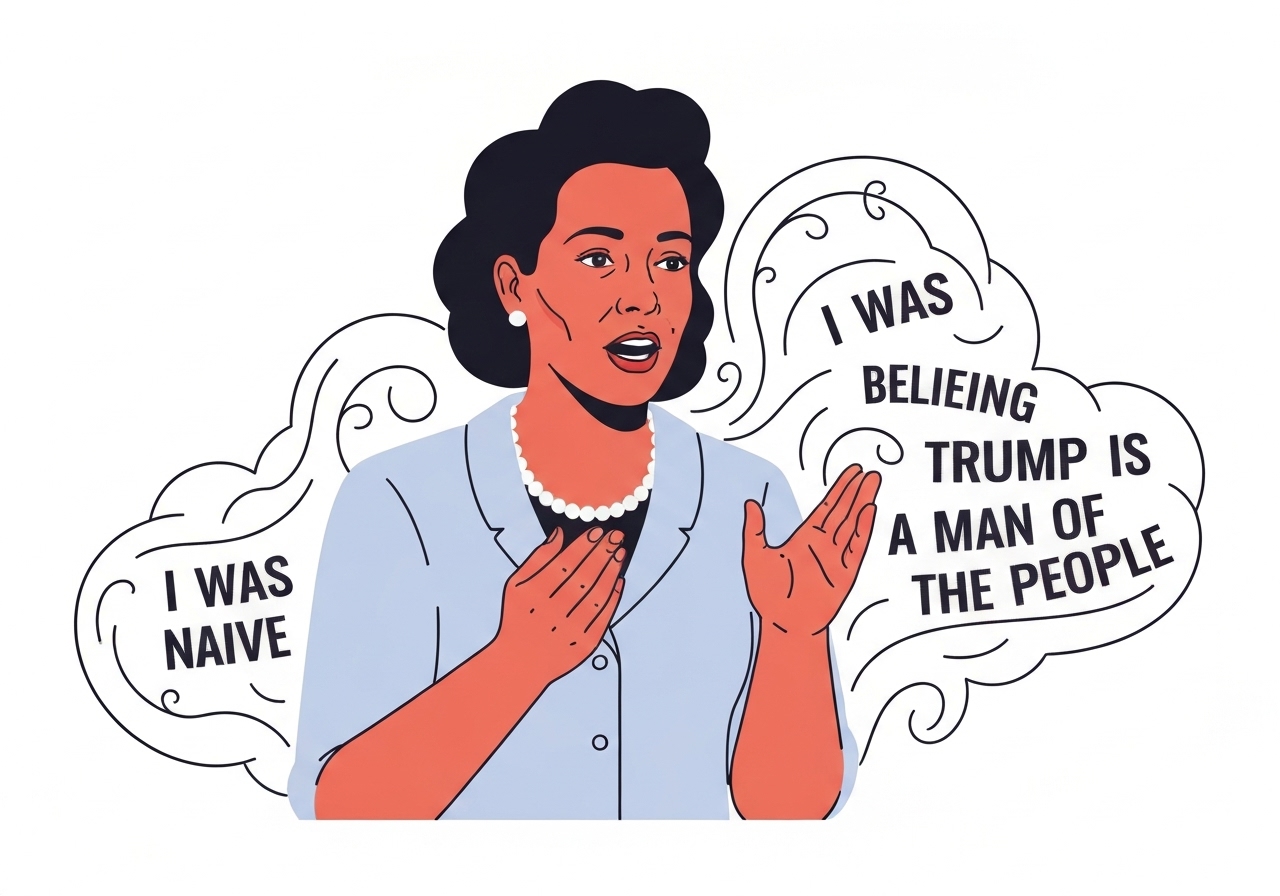
Days before she leaves Congress, third‑term Rep. Marjorie Taylor Greene told the New York Times she felt ‘so naive’ for believing Donald Trump was a man of the people. Greene said a series of breaches with Trump culminated after the September 2025 killing of conservative influencer Charlie Kirk and a subsequent moment at his memorial. She described being shaken when Kirk’s widow forgave her husband’s killer and Trump publicly contrasted himself by saying he hated his opponents. That episode, plus a fight over releasing Jeffrey Epstein investigative files, prompted Greene to break with the president and reassess her role and faith.
Key takeaways
- Greene, a Georgia Republican in her third term, spoke to the New York Times on December 29, 2025, saying she was ‘so naive’ in trusting Trump.
- The immediate turning point was Charlie Kirk’s September 2025 memorial, when Greene said she was moved by his widow’s forgiveness and alarmed by Trump’s comment that he ‘hate[s] my opponent’.
- Greene says she abandoned an earlier pledge to never apologize, citing a faith‑based shift after meeting Kirk’s family and victims of abuse.
- She has publicly criticized Republican positions on Gaza, calling the war a ‘genocide’, and questioned GOP policy on economic and health issues as misaligned with working‑class interests.
- Greene told the Times her break with GOP leadership was sealed over a vote to release Epstein files, which she says exposed elite wrongdoing and victimized women.
- She recounted an alleged phone call from Trump warning ‘my friends will get hurt’ if the Epstein materials were released.
- Greene acknowledged being politically isolated, saying she is seen as ‘radioactive’ and that observers say she has ‘changed’ while she describes her views as matured.
Background
Marjorie Taylor Greene was first elected to the House in 2020 and won re‑election twice, establishing a reputation as a staunch pro‑Trump conservative and a vocal backer of MAGA causes. Over five years she aligned with Trump’s agenda on many fronts, becoming a prominent face of the movement and attracting both devoted supporters and fierce critics. Charlie Kirk, a conservative influencer with a national profile, was killed in September 2025; his death and memorial drew attention across conservative media and among Republican officials.
Political tensions within the MAGA coalition have been growing since 2024, driven by policy disputes, personality conflicts, and fallout from criminal and investigative revelations tied to wealthy figures. Greene’s recent comments reflect a broader strain in which some former loyalists are publicly reexamining their relationships with Trump and party institutions. The Epstein investigative files, long a subject of public interest and multiple inquiries, reemerged as a flashpoint when members of Congress debated their public release.
Main event
In the New York Times interview published December 29, 2025, Greene described watching Charlie Kirk’s memorial on television and hearing his widow, Erika Kirk, say she forgave her husband’s killer. Greene said she was profoundly affected by that act of forgiveness and contrasted it with Trump’s subsequent remarks when he took the stage. According to Greene, Trump explicitly said he hated his opponent and did not want the best for them, a line she called ‘absolutely the worst statement’ and evidence of where his heart lies.
Greene said the moment marked a decisive personal shift: she stopped following a self‑taught discipline of never apologizing or admitting error and began reexamining her faith and conduct. She told the Times she started to ‘want to be more like Christ’ and to view her political actions through that lens. That reassessment, she said, informed a series of policy disagreements with the administration and Republican leadership.
Greene recounted that her final split with party leaders came during a congressional vote to release investigative files tied to Jeffrey Epstein. She described the Epstein materials as emblematic of systemic corruption among wealthy, powerful figures and emphasized the files’ importance to victims. Greene said that after meeting with survivors, she pushed for public release, and that Trump called her to warn that ‘my friends will get hurt’ if the files were disclosed.
As a result of these moves, Greene acknowledged to the Times that she has become politically isolated. She said she is viewed with suspicion by both allies and opponents, describing herself as ‘radioactive’ and noting that observers say she appears changed; she countered that her core views remain but that she now brings greater depth and maturity to her politics. Greene is days away from leaving Congress, framing her statements as part of a personal reckoning at the end of her term.
Analysis and implications
Greene’s public distancing from Trump highlights fissures within the post‑2024 MAGA landscape. The combination of moral language at Kirk’s memorial and the visceral reaction she attributed to Trump underscores a tension between performative political aggression and faith‑based reconciliation that can fracture activist networks. If other high‑profile conservatives follow Greene’s path, the GOP’s messaging cohesion could be strained heading into 2026 congressional campaigns.
The Epstein files episode raises a second set of implications for elite accountability and intra‑party loyalty. Greene framed the vote as a test of whether elected officials prioritize powerful allies or victims; her account of a threatening call from Trump, if accurate, suggests that considerations beyond policy—such as personal protection of associates—shape some leaders’ calculations. That perception could intensify public pressure for transparency and complicate Republican efforts to present a unified ethics posture.
Politically, Greene’s break may have limited near‑term impact on House arithmetic but outsized symbolic effect. She occupies a visible platform and has long been a polarizing figure; her pivot reframes the debate over what behaviors and rhetoric are acceptable within the conservative movement. For moderate Republicans and disaffected conservatives, her turn could serve as a cautionary tale or an opening; for Trump loyalists, it may harden resistance to internal dissent.
Comparison and data
| Issue | Greene, earlier stance | Greene, recent stance |
|---|---|---|
| Support for Trump | Unwavering public loyalty | Publicly broken with Trump and critical |
| Rhetoric on opponents | Adopted confrontational MAGA posture | Rejects personal hatred, emphasizes faith and apology |
| Transparency on Epstein files | Not a focal public issue | Supported release, called it a fight against elite impunity |
The table summarizes observed changes in Greene’s public positions based on her December 29, 2025 interview and recent public statements. While earlier years showed close alignment with Trump and hardline MAGA rhetoric, Greene now emphasizes moral judgement, transparency, and a faith‑driven reassessment of tactics. These shifts are rhetorical and may not indicate wholesale policy reversals, but they alter her political brand and alliances.
Reactions and quotes
Greene’s statements prompted immediate reaction across the political spectrum. Supporters framed her comments as a personal evolution, while critics saw them as opportunistic. Below are representative quotes and context.
That was absolutely the worst statement. It just shows where his heart is.
Rep. Marjorie Taylor Greene, on Donald Trump’s remark at Charlie Kirk’s memorial
Greene used this line to explain why Kirk’s memorial changed her view, citing the contrast between the widow’s forgiveness and what she described as Trump’s celebration of animus toward opponents. She said the exchange crystallized a moral difference she could not reconcile.
My friends will get hurt.
Alleged phrase, phone call reported to have been made by Donald Trump
Greene said Trump privately warned her that releasing Epstein‑related files would harm his associates. The claim, reported to the Times by Greene, is a key element of her account of pressure against transparency. The White House and Trump spokespeople did not provide an on‑the‑record confirmation in the timeline of Greene’s interview.
I’m, like, radioactive.
Rep. Marjorie Taylor Greene, describing her political standing
Greene acknowledged that her public shift has left her isolated, with critics from both sides viewing her as politically compromised. She portrayed the isolation as an outcome of newly prioritized principles rather than a change in core beliefs.
Unconfirmed
- The full content and context of Trump’s alleged phone warning are reported by Greene and lack independent on‑the‑record confirmation from other participants.
- The long‑term electoral impact of Greene’s distancing on GOP performance in 2026 is speculative and not yet measurable.
Bottom line
Marjorie Taylor Greene’s public account of becoming ‘naive’ about Donald Trump is both a personal narrative and a signal of wider strains within the Republican coalition. Her story centers on a moral pivot prompted by Charlie Kirk’s memorial and a fight over Epstein materials, reframing her as a critic of tactics she once embraced. Whether her stance catalyzes further realignments among conservative figures depends on how other leaders and voters interpret motives and consequences.
For observers, the episode raises questions about the limits of loyalty in modern American politics and the role of faith and personal ethics in shaping public service. Greene’s comments will be watched for ripple effects in party messaging, candidate recruitment, and discussions about transparency and accountability. In the near term, the event is more symbolic than dispositive, but symbols can shift political currents faster than routine policy fights.
Sources
- The Guardian — news report summarizing the New York Times interview
- The New York Times — original interview and feature reporting (news/interview)
- Office of Rep. Marjorie Taylor Greene — official congressional site (official)