
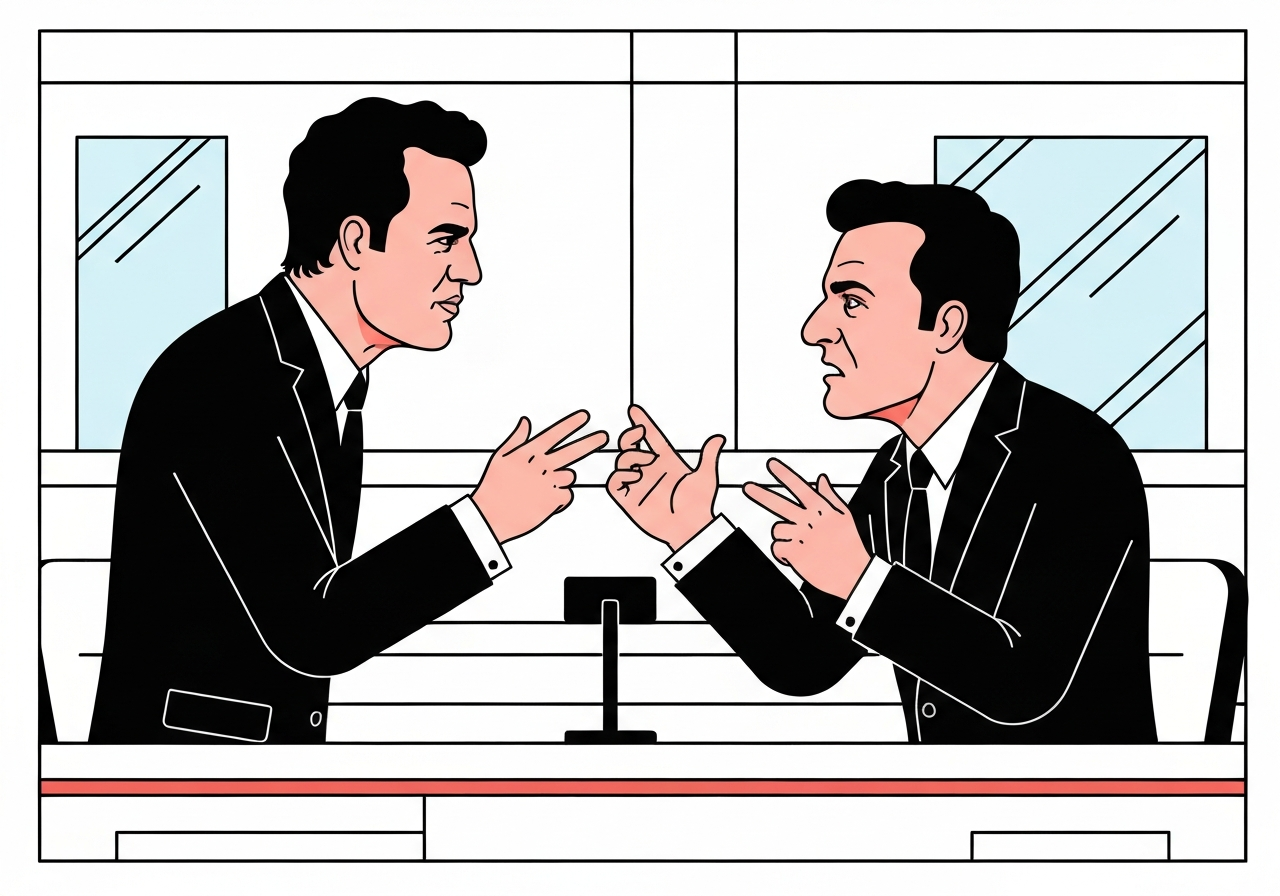
Lead: Actor Mark Ruffalo publicly challenged director James Cameron on Saturday after Cameron urged Senator Mike Lee to block Netflix’s proposed $83 billion acquisition of Warner Bros. Discovery, warning it would harm the theatrical film industry. Ruffalo used Instagram Threads to question whether Cameron’s objections apply equally to a potential Paramount acquisition and pressed whether Senator Lee shares the same concerns. The exchange comes as Warner Bros. Discovery shareholders prepare to vote on March 20 and a Feb. 17 seven-day window allows Paramount Skydance to try to top Netflix’s offer.
Key Takeaways
- Netflix has proposed an $83 billion purchase of Warner Bros. studios and HBO Max; Warner shareholders vote on March 20, 2026.
- On Feb. 17, Warner Bros. opened a seven-day period during which Paramount Skydance can submit a superior bid.
- James Cameron wrote to Sen. Mike Lee arguing a Netflix-WBD deal would close theaters and cut film production and jobs.
- Mark Ruffalo questioned whether Cameron and Sen. Lee are equally concerned about a possible Paramount acquisition.
- Netflix co-CEO Ted Sarandos reiterated that Warner Bros.’ theatrical release strategy will largely continue unchanged, invoking a now-notorious “blood oath” comment.
- The debate frames antitrust and cultural concerns around consolidation of studio libraries and distribution channels in Hollywood.
Background
The proposed deal would combine Netflix’s streaming distribution with Warner Bros.’ production slate and catalog, creating one of the largest vertically integrated players in film and television. Consolidation in media has long provoked regulatory scrutiny in the United States; lawmakers and industry figures regularly debate how ownership concentration affects competition, content diversity and employment. James Cameron’s letter to Senator Mike Lee, chair of the Senate subcommittee on antitrust, frames the Netflix bid as an existential threat to theatrical exhibition and to jobs tied to the traditional studio-theater pipeline.
Warner Bros. Discovery’s board has pursued a sale process that produced the Netflix offer and left room for a rival from Paramount and Skydance, which could alter the competitive landscape if a higher bid emerges. The Feb. 17 window and the March 20 shareholder vote set firm near-term milestones; both dates are driving public statements from filmmakers, studio executives and lawmakers. Industry stakeholders — from theater chains to independent producers — are watching closely because outcomes will affect release strategies, distribution economics and production pipelines.
Main Event
On Saturday morning, Mark Ruffalo posted a pointed message on Instagram Threads directed at James Cameron, asking whether Cameron’s antitrust concerns apply selectively to Netflix or also to other potential acquirers. Ruffalo wrote that the film community deserves clarity on whether a Paramount acquisition would raise the same monopolization issues, and he urged that Senator Mike Lee be asked the same question. The actor framed his remarks as representing hundreds of thousands of filmmakers worldwide.
James Cameron’s letter to Sen. Lee asserted that allowing Netflix to acquire Warner Bros. Discovery would lead to theater closures, fewer films and cascading job losses. Cameron called the Netflix business model fundamentally at odds with theatrical exhibition and claimed it would undermine one of the last major movie studio operations that support widespread theatrical distribution. His appeal was targeted at lawmakers who oversee antitrust policy and merger review in the U.S. Senate.
Netflix’s leadership has responded defensively. In a recent interview with Variety, co-CEO Ted Sarandos rejected the notion that Netflix intends to dismantle traditional theatrical windows, reiterating a pledge — framed colloquially as a “blood oath” — that Warner Bros.’ approach to theatrical rollouts will “remain largely like it is today.” That remark has been seized upon by both critics and supporters as emblematic of Netflix’s attempts to reassure constituencies tied to theatrical release.
Analysis & Implications
The clash highlights two intertwined debates: antitrust risks from media consolidation, and the cultural-economic role of theatrical exhibition. Cameron’s argument prioritizes the downstream effects on theaters and employment, portraying the transaction as potentially destructive to a multi-tiered distribution ecosystem. If regulators accept that framing, they could block or demand structural remedies to a deal, slowing or preventing consolidation.
Conversely, supporters of the Netflix bid argue the company’s scale could inject capital into content creation and expand global audiences for Warner Bros. properties. Netflix’s business model emphasizes direct-to-consumer distribution and global streaming growth, which proponents say can support more, not fewer, projects—though often with different budget and release approaches than traditional studios.
Ruffalo’s public line of questioning shifts the conversation toward consistency in antitrust concerns. If lawmakers and industry leaders single out Netflix while tolerating other mergers with similar concentration effects, critics will point to selective enforcement. The presence of a competing potential offer from Paramount Skydance complicates the narrative because it raises alternative consolidation outcomes that could be equally or more problematic from an antitrust perspective.
Practically, three near-term outcomes matter: whether Paramount Skydance can assemble a higher offer in the seven-day window after Feb. 17; whether Warner shareholders approve the Netflix bid on March 20; and whether federal antitrust authorities open a formal review or litigation. Each path carries distinct implications for release windows, employment, and the bargaining power of theaters and talent.
Comparison & Data
| Event | Date / Value |
|---|---|
| Netflix proposed acquisition of Warner Bros. Discovery | $83 billion (offer announced; shareholders vote Mar 20, 2026) |
| Paramount Skydance final push window opens | Seven-day window beginning Feb 17, 2026 |
| Warner Bros. Discovery shareholder vote | March 20, 2026 |
This concise timeline shows the compressing procedural schedule. Any superior bid within the seven-day window could invalidate or delay the shareholder vote’s expected outcome; if no rival offer materializes, regulators’ attention and public pressure will determine the deal’s path forward.
Reactions & Quotes
“So… the next question to Mr Cameron should be this: Are you also against the monopolization that a Paramount acquisition would create? Or is it just that of Netflix?”
Mark Ruffalo, Instagram Threads
Ruffalo framed his challenge as probing whether concerns about monopoly are applied consistently across potential buyers.
“Theaters will close. Fewer films will be made. The job losses will spiral.”
James Cameron, letter to Sen. Mike Lee
Cameron’s letter directly linked a Netflix acquisition to systemic job and exhibition losses, positioning his argument squarely in terms of workforce and cultural impact.
“Your listeners can watch us now, cut a finger and do a blood oath together.”
Ted Sarandos, Netflix co-CEO (Variety interview)
Sarandos used colorful language to insist Warner Bros.’ theatrical rollout would largely continue under Netflix ownership, a statement intended to calm distribution partners and talent.
Unconfirmed
- Whether Paramount Skydance will assemble a superior, binding offer within the Feb. 17 seven-day window remains unresolved.
- It is not yet confirmed whether Senator Mike Lee will take formal action beyond receiving Cameron’s letter or whether he holds equivalent concerns about a potential Paramount acquisition.
Bottom Line
The public sparring between Mark Ruffalo and James Cameron crystallizes a larger debate about consolidation, cultural institutions and regulatory consistency. With an $83 billion bid on the table and a compressed schedule of procedural deadlines, stakeholders from filmmakers to theater owners are jockeying to influence the outcome. Policymakers will need to weigh claims about job losses and theatrical harm against arguments that consolidation could bring investment and global reach to content.
In the coming weeks, watch three variables: any competing bid from Paramount Skydance during the Feb. 17 window; the March 20 shareholder vote at Warner Bros. Discovery; and whether antitrust authorities open a formal review. Each will materially affect the shape of Hollywood’s distribution landscape and the livelihoods tied to theatrical exhibition.
Sources
- Variety — industry press (report on Ruffalo, Cameron, Sarandos and transaction timeline)