
Lead
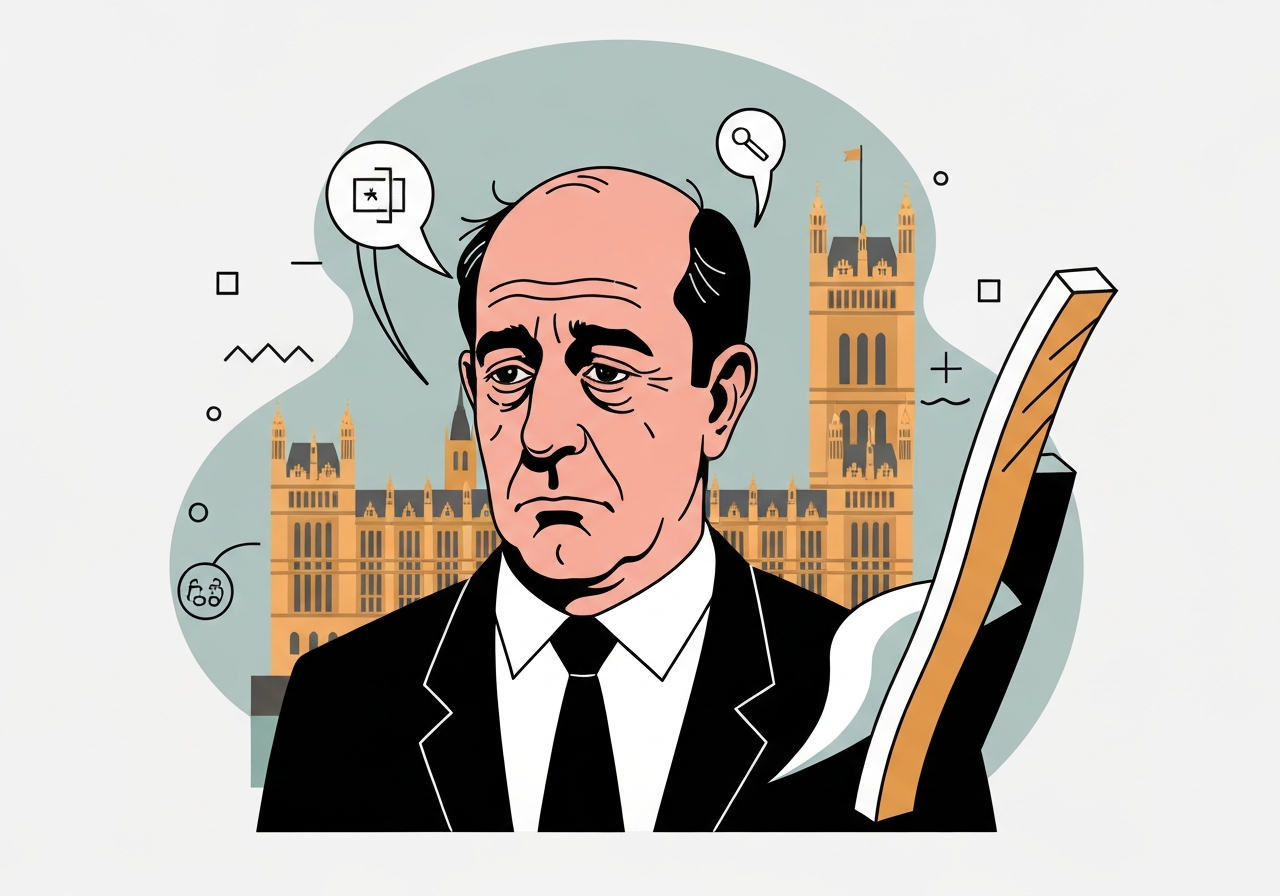
Morgan McSweeney resigned as Prime Minister Keir Starmer’s chief of staff on Sunday evening, a move announced in coverage published at 19:37 GMT. He said he accepted ‘full responsibility’ for advising the appointment of Lord Peter Mandelson as UK ambassador to the United States. The departure follows sustained pressure over newly disclosed material about Mandelson’s links with the convicted sex offender Jeffrey Epstein and a Metropolitan Police inquiry. Downing Street named Jill Cuthbertson and Vidhya Alakeson as acting chiefs of staff to fill the immediate gap.
Key Takeaways
- Morgan McSweeney formally resigned on Sunday, saying he takes full responsibility for advising Peter Mandelson’s 2025 appointment as US ambassador.
- Downing Street appointed Jill Cuthbertson and Vidhya Alakeson as acting chiefs of staff with immediate effect.
- The Mandelson appointment is linked to documents in the Epstein Files that included an email showing a £10,000 transfer to Mandelson’s partner and alleged sharing of market-sensitive information in 2009.
- The Metropolitan Police have opened a criminal investigation into alleged misconduct in public office related to those revelations.
- Keir Starmer praised McSweeney’s role in transforming the Labour Party and the 2024 election campaign but did not mention Mandelson in his public comments.
- Reactions spanned from Tory leader Kemi Badenoch calling the resignation overdue to SNP and Reform figures demanding greater responsibility from the prime minister.
- McSweeney joins a string of senior Downing Street departures, including Sue Gray in October 2024 and Paul Ovenden in September 2025.
Background
The controversy began after new material emerged from the Epstein Files that raised questions about the extent of Lord Mandelson’s relationship with Jeffrey Epstein. Official correspondence released in that tranche included an email showing a £10,000 payment to Mandelson’s partner in 2009 and messages that sparked scrutiny of Mandelson’s conduct while he held ministerial office in 2009. Downing Street said the new material showed the relationship was materially different from what had been understood at the time of Mandelson’s appointment.
Peter Mandelson was appointed ambassador to Washington during 2025 amid hopes his diplomatic experience would serve UK-US ties as the United States entered a new political cycle. The appointment involved vetting processes now under closer inspection, and the Foreign Office and No 10 have faced questions about who knew what and when. For years McSweeney was a central figure in Starmer’s political operation, credited with reshaping Labour into an electable force and running the successful 2024 campaign.
Main Event
The resignation came after a day of intensifying political pressure and competing messages inside Labour. Earlier on Sunday, senior minister Pat McFadden told a live programme that there was ‘no point’ in sacking McSweeney, but hours later McSweeney issued a statement accepting full responsibility for his role in advising Mandelson’s appointment. Prime Minister Starmer issued a separate tribute that described McSweeney as an essential and loyal member of his team but did not address the Mandelson matter directly.
Downing Street confirmed Jill Cuthbertson and Vidhya Alakeson, McSweeney’s joint deputies, would serve as acting chiefs of staff. Alakeson brings experience from the Resolution Foundation and previous civil service posts, with responsibility for policy and external relationships. Cuthbertson is known as the PM’s gatekeeper and ran Starmer’s office while he was leader of the opposition, having worked with previous Labour leaders.
Opposition parties seized on the resignation. Conservative leader Kemi Badenoch said it was overdue and urged Starmer to accept responsibility for his decisions. The SNP and Reform called for more substantial consequences for the prime minister, and Liberal Democrats and Greens framed the departure as necessary but insufficient. Internally, Labour MPs expressed mixed views, with some arguing McSweeney was a scapegoat and others saying the resignation was a first step toward accountability.
Analysis & Implications
Politically, the departure removes a key fixer who helped engineer Labour’s 2024 landslide and steer the party to the centre. McSweeney’s exit deprives Starmer of an adviser long credited with campaign instincts and strategic discipline, and it may sharpen internal disputes between the party’s centrist managers and its left-leaning backbenchers. That dynamic could complicate the government’s legislative and messaging coherence in the coming months.
The Mandelson revelations also raise broader questions about the adequacy of vetting for high-profile political appointments. If documents now in the public domain undermine the original assurances given at appointment time, ministers and officials will face pressure to explain procedural failings and possibly to tighten security and disclosure checks for diplomatic postings and other sensitive roles.
Electoral fallout depends on how the story evolves and on upcoming political tests such as local elections. Opponents aim to turn the episode into proof of poor judgement at the top of government; ministers are likely to counter by refocusing public attention on cost-of-living measures and economic priorities. The immediate practical effect is managerial: two acting chiefs of staff must steady No 10 operations while the government manages the wider inquiry and reputational damage.
Comparison & Data
| Name | Role | Left | Stated reason |
|---|---|---|---|
| Sue Gray | Chief of Staff (predecessor) | October 2024 | Reported internal power struggle after election |
| Matthew Doyle | Communications Chief | After nine months (date reported) | Stepped down to ‘pass the baton’ |
| Paul Ovenden | Director of Political Strategy | September 2025 | Resigned after offensive messages surfaced |
| Morgan McSweeney | Chief of Staff | Sunday (published 19:37 GMT) | Took responsibility for advising Mandelson appointment |
The table shows a string of senior exits within a relatively short period, which can amplify perceptions of instability even for a government with a large parliamentary majority. The short-term operational risk is high when a chief of staff who acts as a political gatekeeper departs; the medium-term political risk depends on how quickly and credibly replacements can restore stability.
Reactions & Quotes
Public and political responses were immediate and partisan, with opposition leaders framing the resignation as evidence of wider failures and some Labour figures describing it as an uneasy but necessary step.
It’s about time McSweeney left, but Starmer must take responsibility for his own terrible decisions.
Kemi Badenoch, Leader of the Conservative Party
This comment followed other opposition statements arguing the prime minister cannot outsource blame for high-level appointments. Starmer’s own words sought to underline McSweeney’s contribution without addressing the specifics of the Mandelson controversy.
It’s been an honour working with Morgan McSweeney for many years. Our party and I owe him a debt of gratitude, and I thank him for his service.
Keir Starmer, Prime Minister
Within Labour, MPs were divided: some expressed sympathy for McSweeney and credited his role in rebuilding the party, while others called for deeper scrutiny of No 10 decision-making. Outside Labour, SNP and Reform leaders pressed for more senior accountability.
Whenever Keir Starmer makes a catastrophic error of judgement, someone else is always forced to carry the can. Advisers only advise.
Stephen Flynn, SNP Westminster leader
Unconfirmed
- Whether Lord Mandelson knowingly shared classified or market-sensitive material with Jeffrey Epstein beyond the documents currently reported remains under criminal investigation and is not yet established.
- The extent to which other senior advisers or officials had advocated for Mandelson’s appointment prior to McSweeney’s advice has not been independently verified.
- Specific internal vetting failures or who within government may have missed information during clearance processes have not been publicly confirmed.
Bottom Line
Morgan McSweeney’s resignation marks an immediate attempt to contain a political crisis centered on the fallout from the Mandelson- Epstein material and the subsequent police inquiry. It removes a key strategic operator from No 10 but does not eliminate the reputational and procedural questions dogging the government.
The coming days will test whether acting chiefs Jill Cuthbertson and Vidhya Alakeson can steady operations and whether the prime minister can demonstrate clearer oversight of senior appointments and of the vetting process. For voters and political actors, the episode raises durable questions about judgement at the top and the systems that underpin high-level public appointments.