
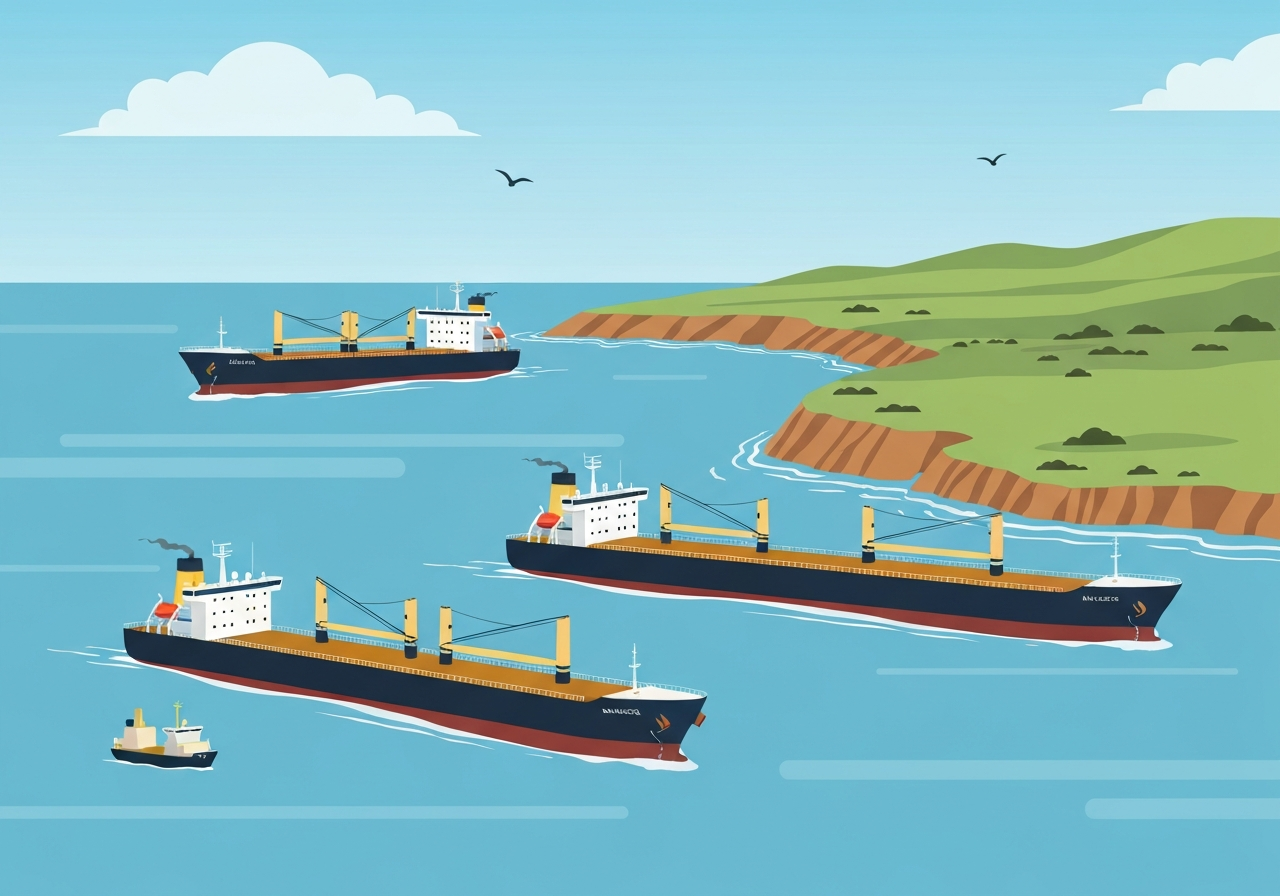
On March 1, 2026, Maersk announced it will temporarily suspend Trans‑Suez sailings through the Bab el‑Mandeb Strait and reroute all ME11 (Middle East–India to Mediterranean) and MECL (Middle East–India to East Coast US) services around the Cape of Good Hope. The decision follows an escalation of military activity in the Middle East and was taken in close coordination with the carrier’s security partners. Maersk says the move is intended to protect crew, vessels and customers’ cargo while it closely monitors developments. The company also suspended vessel crossings in the Strait of Hormuz, warning that Arabian Gulf calls may face delays or schedule changes.
Key Takeaways
- Maersk announced on March 1, 2026 that all future Trans‑Suez sailings through Bab el‑Mandeb are paused until further notice.
- All ME11 and MECL services will be rerouted around the Cape of Good Hope with immediate effect; Trans‑Suez will be prioritised again only when security permits.
- Vessel crossings of the Strait of Hormuz are suspended until further notice, and Arabian Gulf port calls may see delays or rerouting.
- Maersk emphasised safety of crews, ships and cargo as the primary rationale and said operations teams remain in active monitoring mode.
- Acceptance of cargo destined for the Middle East remains open despite rerouting and service adjustments.
- Maersk committed to updating customers via its Red Sea/Gulf of Aden/Hormuz situation page and local representatives.
Background
The Bab el‑Mandeb Strait, at the southern mouth of the Red Sea, and the Strait of Hormuz, which connects the Persian Gulf to the Arabian Sea, are long-established strategic chokepoints for global trade. Disruption or heightened security risks in either corridor can force carriers to take the longer circumnavigation around southern Africa, increasing transit time, fuel consumption and operating costs. Shipping companies previously rerouted services in response to security incidents or regional instability, and carriers now routinely coordinate with naval forces, private security advisers and insurers when threats rise.
Maersk’s ME11 and MECL services link Middle Eastern and Indian transshipment hubs to the Mediterranean and the US East Coast, respectively; the Trans‑Suez route is normally the fastest and most fuel‑efficient path between those markets. Multiple stakeholders—container lines, freight forwarders, port operators and large importers/exporters—rely on predictable schedules through the Suez corridor. When that route is unavailable, operators must adjust vessel rotation, slot allocations and port calls to preserve capacity and avoid cascading supply‑chain disruption.
Main Event
On March 1, 2026 Maersk stated that, in close coordination with its security partners, it will pause sailings through the Bab el‑Mandeb Strait and reroute ME11 and MECL services around the Cape of Good Hope until further notice. The company framed the action as a precaution driven by a deteriorating security situation in the Middle East following an escalation in military conflict. Maersk said the safety of crews, vessels and customers’ cargo is its primary concern and that it will continue to reassess the route as conditions evolve.
In the same announcement Maersk confirmed it is suspending all vessel crossings of the Strait of Hormuz until the company deems it safe to resume. The carrier warned that services calling ports in the Arabian Gulf may experience delays, rerouting, or schedule adjustments as a consequence. Maersk also said it will keep cargo acceptance open for the Middle East area and will provide updates through its dedicated situation page and local representatives.
Operationally, the reroute will require adjustments to vessel schedules and may lengthen port-to-port transit times for affected strings. Maersk teams are reportedly supporting customers with planning and contingency options, and the company emphasised that it will prioritise returning to Trans‑Suez when security conditions allow, citing that route’s speed, efficiency and lower emissions profile compared with the longer Cape passage.
Analysis & Implications
Rerouting around the Cape of Good Hope typically adds significant days to a voyage compared with passage through the Suez/Red Sea corridor. Longer sailings increase fuel burn and voyage costs and can require additional vessel days in the schedule, which may reduce available capacity in the short term. For time‑sensitive cargoes, shippers may face higher freight or need to reallocate goods to faster modalities where feasible.
Insurance and security premiums for transits in elevated‑risk waters also factor into carriers’ operational calculus. While Maersk’s statement stressed safety, the economic impact will depend on the duration of the reroute and how quickly services can normalise. Extended diversion periods historically push up short‑term spot charter rates and can create congestion at alternative hubs as schedules shift.
Ports in the Arabian Gulf could see reduced call frequency or time‑shifted windows, affecting hinterland connections and regional supply chains. Conversely, transshipment hubs and feeder networks that serve Cape‑of‑Good‑Hope routings may see temporary upticks in demand for slot space and cargo handling. Policymakers and industry groups will likely press for de‑escalation to restore the Suez corridor, given its environmental and economic advantages over the longer southern route.
Comparison & Data
| Route | Typical Advantage | Immediate Effect of Switch |
|---|---|---|
| Trans‑Suez (via Bab el‑Mandeb) | Shortest, fastest, lower fuel per voyage | Preferred when safe; currently paused |
| Cape of Good Hope (southern Africa) | Avoids Red Sea/Strait risks; globally available | Longer transit time, higher fuel use and costs |
| Strait of Hormuz crossings | Direct access to Arabian Gulf ports | Suspended by Maersk until conditions improve |
The table above summarises qualitative trade‑offs. Exact impacts on transit times, fuel consumption and costs depend on origin/destination pairings, vessel type and speed profiles; those quantitative estimates were not provided in Maersk’s announcement and remain contingent on operational details.
Reactions & Quotes
Maersk framed the decision as a safety‑driven operational change and committed to keeping customers informed.
“The safety of our crews, vessels and customers’ cargo remains our key priority,”
Maersk (official statement)
Industry observers say the carrier’s move reflects a broader caution among shipping lines when geopolitics raises transit risk. Analysts note that while rerouting reduces exposure to concentrated threats, it shifts costs and timing pressures across the network.
“Rerouting to the Cape is a prudent immediate response to elevated regional risk, but it will lengthen voyages and raise operational costs until the situation stabilises,”
Independent maritime security analyst
Some shippers are already evaluating their supply‑chain options; logistics teams will watch Maersk’s updates closely to adapt bookings and inventory plans.
“We are reviewing our bookings and contingency plans to absorb possible delays to Arabian Gulf services,”
Supply‑chain manager at a European retailer (anonymous)
Unconfirmed
- Exact additional transit days and fuel cost per voyage for ME11 and MECL strings under the Cape reroute have not been published by Maersk.
- Any immediate changes to insurance premiums or war‑risk surcharges tied to this decision have not been confirmed by insurers or Maersk.
- The anticipated duration of the suspension of Trans‑Suez and Hormuz crossings remains unspecified and dependent on security developments.
Bottom Line
Maersk’s March 1, 2026 announcement to pause Trans‑Suez sailings through Bab el‑Mandeb and suspend Strait of Hormuz crossings reflects a security‑first stance amid rising military tensions in the Middle East. For now, ME11 and MECL services will transit via the Cape of Good Hope, creating longer voyages and potential schedule disruption across affected trades. The carrier has kept cargo acceptance for the Middle East open while promising ongoing updates and customer support.
Shippers and logistics managers should expect elevated transit times and plan for contingency capacity and inventory adjustments; industry watchers will monitor whether other carriers adopt similar measures. Maersk has stated it will prioritise resuming Trans‑Suez routes when security conditions permit, underlining that the Suez corridor remains the preferred option for speed, sustainability and efficiency.