
Lead
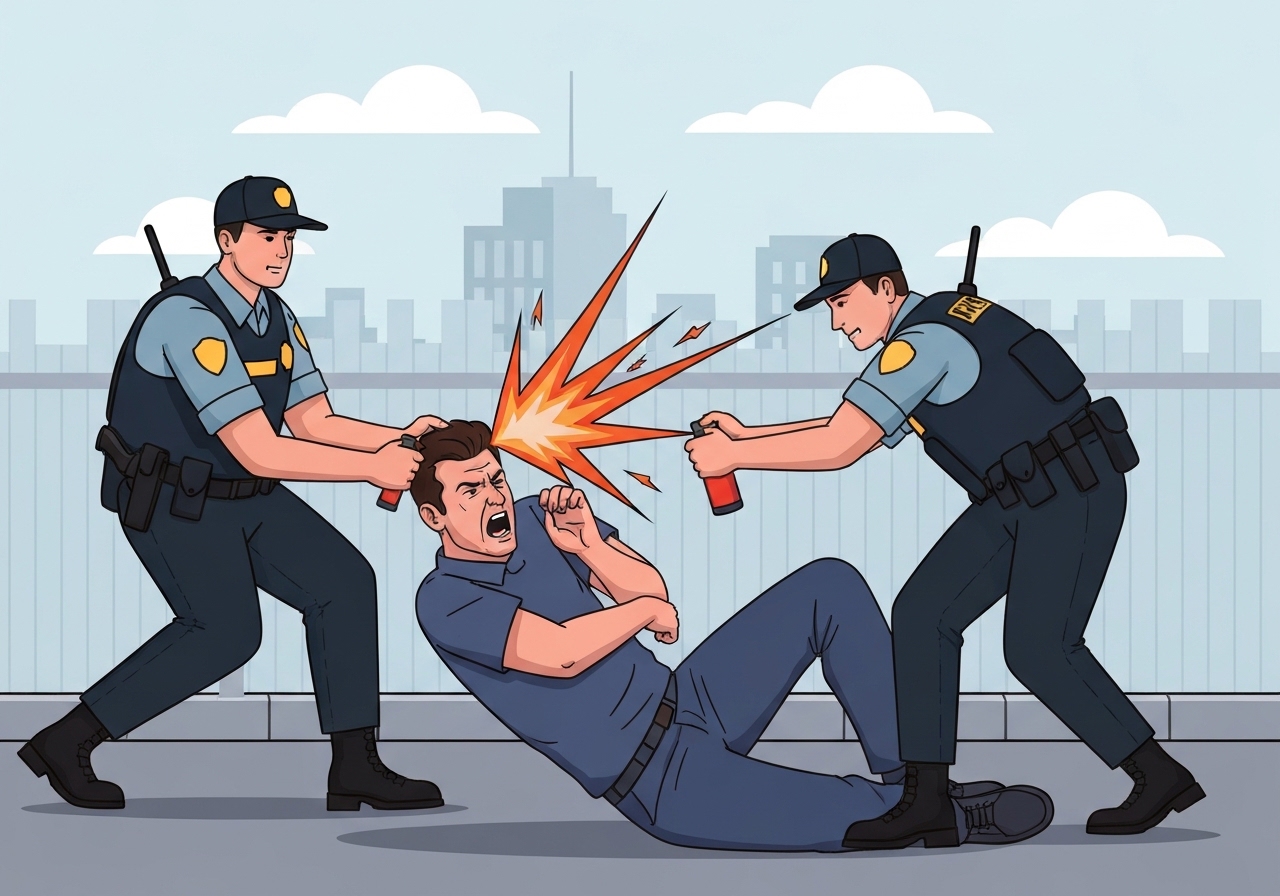
On Jan. 23, 2026, video and photographs circulated showing a man in Minneapolis being held face-down by federal Border Patrol agents while another agent sprayed pepper spray at close range. The images, captured during a broader deployment of thousands of federal personnel to Minnesota to detain undocumented immigrants, prompted immediate public alarm and political condemnation. Local leaders called the scene evidence that the operation has escalated beyond routine enforcement. The incident has become one of several widely shared scenes fueling protests and scrutiny of federal tactics in the state.
Key Takeaways
- On Jan. 23, 2026, Border Patrol agents were photographed spraying pepper spray into the face of a man restrained on the ground in Minneapolis.
- The deployment involves thousands of federal agents sent to Minnesota to arrest undocumented immigrants; the operation has produced multiple controversial images.
- Other recent flashpoints include an American citizen removed from his home in subzero weather and the detention of a 5-year-old boy wearing a Spider-Man backpack.
- The Star Tribune placed the pepper-spray image on its front page; the story drew millions of online views within hours.
- Mayor Jacob Frey and Gov. Tim Walz publicly condemned the episode; local officials said it undermines claims the operation is solely about public safety.
- Federal authorities have not released publicly verified full details about the circumstances leading to the use of force in this specific encounter.
Background
The federal operation in Minnesota is part of a larger initiative in which thousands of agents were dispatched to conduct arrests of people suspected of being in the country illegally. Officials said the deployments targeted individuals with outstanding immigration orders, but the scale and visibility of the effort have made it a focal point for debate over enforcement tactics and civil liberties. Minnesota officials and immigrant-rights groups have repeatedly criticized the operations for what they describe as heavy-handed methods and insufficient local coordination.
Incidents from the same deployment have already become emblematic: an American citizen reportedly pulled from his home in subzero temperatures while in his underwear drew local outrage, and the brief detention of a 5-year-old wearing a Spider-Man backpack alarmed school administrators and advocates. Those episodes set the context for heightened sensitivity to any images showing force by federal agents. Community organizations and some elected officials argue the tactics risk harming bystanders and eroding trust between immigrant communities and law enforcement.
Main Event
On Jan. 23, photographers and bystanders captured images of an encounter in Minneapolis in which Border Patrol agents appeared to hold a man face-down while an agent administered pepper spray at close range. The visuals circulated rapidly on social media and were reproduced on the front page of the Minnesota Star Tribune, amplifying public attention. Witness accounts and video clippings shared online created immediate local outrage and led to calls for accountability from city leaders and advocacy groups.
Local officials said the photographs suggest force being used against a restrained individual, a depiction that many residents and elected leaders found alarming. Mayor Jacob Frey called the image incompatible with a public-safety justification, framing it as a broader warning about federal tactics. Gov. Tim Walz reposted the Star Tribune front page with a critical comment, signaling state-level political pressure and mobilizing opponents of the operation.
Federal authorities have said they are conducting operations to locate people with outstanding immigration removal orders, but as of this report a full, detailed account from Border Patrol about the Minneapolis incident — including the reason for the arrest, whether the person was undocumented, and whether any internal protocols were followed — was not publicly available. The lack of an immediate, detailed federal explanation has increased demands for documentation, body-camera footage, and an independent review.
Analysis & Implications
The images crystallize a tension between large-scale federal immigration enforcement and municipal efforts to protect community trust. When enforcement is highly visible and produces striking images, local governments face political pressure and legal scrutiny even if operations target persons with legal removal orders. The Minneapolis episode is likely to intensify debates over jurisdiction, with city leaders arguing local safety is undermined and federal agencies defending mission priorities.
Politically, the scene feeds into national narratives about immigration enforcement under the current administration. Governors and mayors who oppose the operations can use such images to rally constituents and seek policy changes, while proponents of strict enforcement may emphasize the need to carry out existing immigration laws. The optics of a restrained person being sprayed with chemical irritant are particularly potent in a U.S. political environment sensitive to policing practices and civil liberties.
Practically, the incident could prompt demands for transparency: release of body-camera or vehicle-camera footage, an internal use-of-force review, and clarification of rules governing pepper spray and restraint. If formal reviews find policy violations, agencies could face internal discipline, civil lawsuits, or new local ordinances aimed at limiting cooperation with federal immigration enforcement. Conversely, if federal agencies document compliance with policy, they may argue visual images do not capture full operational context.
Comparison & Data
| Incident | Date | Public Attention |
|---|---|---|
| Pepper-spray photo (Minneapolis) | Jan. 23, 2026 | Millions of online views; front-page Star Tribune |
| Citizen removed in underwear | Recent weeks, 2026 | Widespread local coverage; civil-rights complaints |
| 5-year-old detained | Recent weeks, 2026 | School officials protested; media coverage |
These instances are symptomatic of the broader deployment of thousands of federal agents to Minnesota. The concentration of high-visibility episodes within a short timeframe has amplified public scrutiny and led to an outsized political reaction relative to routine, lower-profile enforcement actions.
Reactions & Quotes
No one looking at this image can seriously claim this is about public safety. It should alarm every American because if it can happen here, it can happen anywhere.
Mayor Jacob Frey (Minneapolis)
[Reposted front page image with comment:] “Trump’s America.”
Gov. Tim Walz (Minnesota)
Both officials used the visuals to emphasize their view that the federal operation has extended beyond narrowly targeted enforcement and into scenes likely to provoke public alarm. Advocacy groups called for immediate release of all footage and investigatory records, while some federal law-enforcement spokespersons said operational details would be provided after internal reviews.
Unconfirmed
- It is not publicly confirmed whether the man shown being pepper-sprayed was undocumented or had outstanding federal orders at the time of the encounter.
- There is no publicly released, contemporaneous Border Patrol body-camera or internal report available to confirm the officers’ justifications for the use of pepper spray.
- Any disciplinary actions or internal findings related to this specific incident had not been announced publicly at the time of reporting.
Bottom Line
The Jan. 23 images from Minneapolis have crystallized broader concerns about the federal immigration operation in Minnesota: the scale of deployments and the visual evidence of force have moved the debate from technical legal arguments to visceral public outrage. Whether the episode will produce formal changes — greater federal transparency, revised operational directives, or local policy shifts — depends on forthcoming disclosures and the results of any internal or independent reviews.
For the public, the critical near-term developments to watch are release of agency footage, the findings of any use-of-force investigations, and whether state or local officials pursue legal or policy responses. Those outcomes will determine whether this remains an isolated flashpoint or triggers measurable changes in how federal immigration operations are conducted in populated urban areas.
Sources
- The New York Times (national newspaper; original reporting and images)
- Minnesota Star Tribune (local newspaper; front-page coverage and local reporting)