
Lead
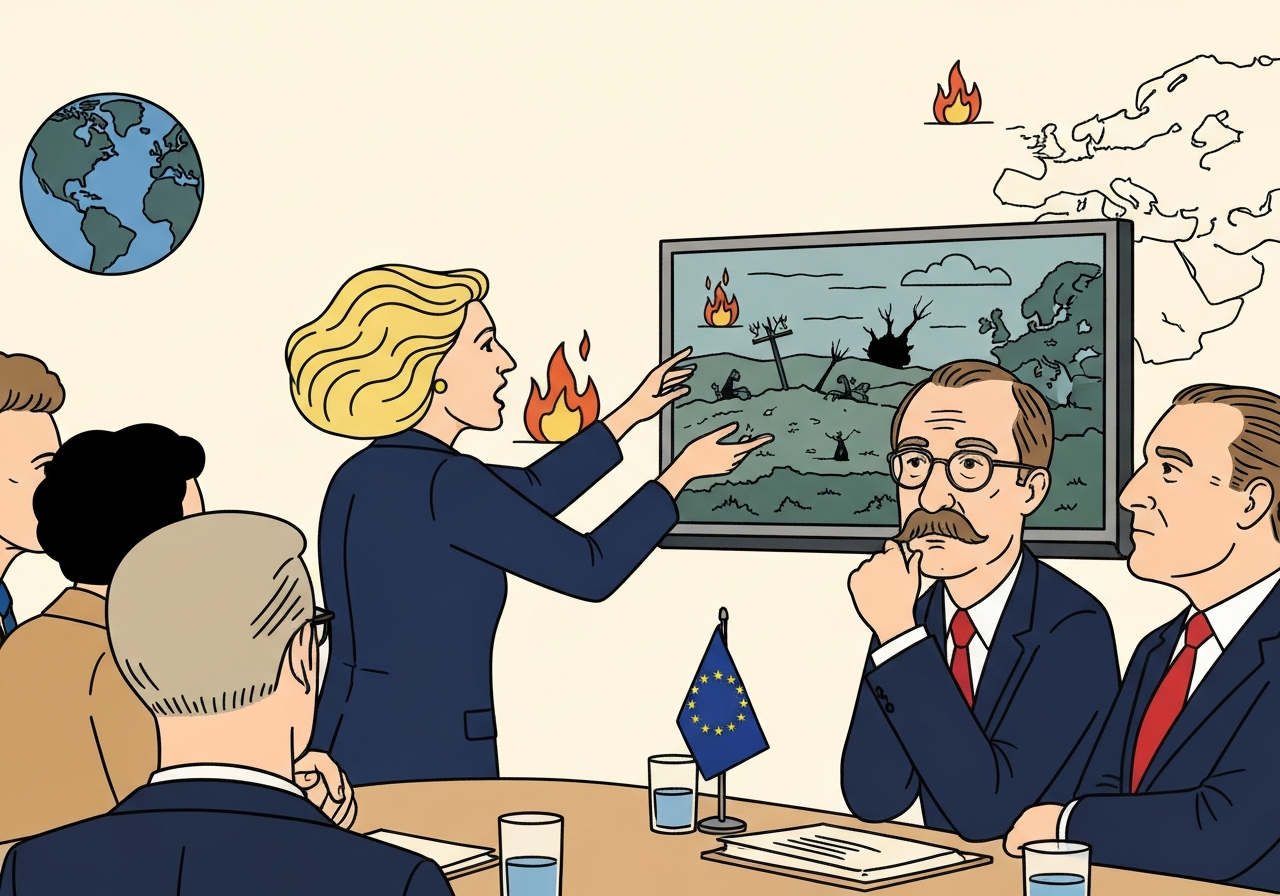
At the Munich Security Conference, UK leader Keir Starmer convened with heads of state and defence ministers while US Senator Marco Rubio warned Europe it faces a “new era” of geopolitical competition. The gathering comes one year after US figure JD Vance shocked the same forum with a hardline critique of European policy. Delegates discussed shifts in US policy — including a National Security Strategy issued late last year that urges Europe to “stand on its own feet” — and the lingering fallout from the Greenland episode that briefly strained transatlantic ties. Participants left the session acknowledging change in relations but insisting ties have not fully unraveled.
Key Takeaways
- Keir Starmer held a series of high-level meetings at the Munich Security Conference with governments and NATO partners to shore up European-US cooperation.
- Senator Marco Rubio warned attendees of a “new era” in which Europe must adapt to shifting US policy priorities and strategic competition.
- It is one year since JD Vance’s forceful Munich speech, which accused Europe of internal weaknesses and surprised the conference audience.
- The US National Security Strategy, released late last year, explicitly urged Europe to “stand on its own feet” and take “primary responsibility for its own defence.”
- The Greenland dispute — including past comments from former President Donald Trump saying he “needs to own” Greenland and not ruling out force — remains a symbolic stress point for the transatlantic alliance.
- Delegates and officials at Munich concluded that transatlantic security ties have shifted significantly but have not disintegrated into open rupture.
Background
The Munich Security Conference convenes senior policymakers, defence ministers and intelligence officials to debate global security challenges. Over the past year, US rhetoric and unilateral actions have altered expectations among allies: high tariffs, an unconventional raid in Venezuela, and sharp public comments about neighbours have amplified worries in European capitals. One prominent moment came at last year’s Munich session when JD Vance delivered a stark critique of European migration and free-speech norms, arguing that internal fractures posed the greatest threat to the continent.
Those developments arrived alongside an updated US National Security Strategy published late last year that signalled Washington expects increased European burden-sharing. That document’s language — calling for Europe to “stand on its own feet” — crystallised debates in Brussels and London about force posture, defence spending and procurement. The so-called Greenland episode, when the former US president publicly discussed acquiring Greenland and at one point did not rule out force, further tested political trust even if it did not lead to a material crisis.
Main Event
This year’s Munich sessions opened with a focused push by Keir Starmer to reassure partners that the UK would act as a steady bridge between Washington and European capitals. Starmer convened bilateral and multilateral discussions on defence industrial collaboration, intelligence-sharing and contingency planning for crises in Europe’s neighbourhood. Attendees described the meetings as pragmatic and aimed at damage limitation amid unpredictable US signals.
Senator Marco Rubio used a public session to warn European audiences about a shifting geopolitical landscape, characterising it as a “new era” that demands European strategic adaptation. His remarks heightened an atmosphere of urgency and spurred follow-up debates in smaller forum rooms about how quickly Europe can scale military and industrial capacity. Officials said Rubio’s comments echoed concerns in the National Security Strategy about longer-term US expectations for allies.
Conference panels revisited the Vance speech from a year ago and tracked developments since, including Washington’s uneven approach to the Ukraine conflict and a pattern of transactional diplomacy. Diplomats and defence officials publicly emphasised continuity in intelligence cooperation and NATO’s collective structures, even as private conversations acknowledged the need for deeper European investment in defence capabilities.
Analysis & Implications
The Munich exchanges underline a shift from reassurance-based alliance management toward an era of conditional partnership. Strategically, the US message that Europe must assume “primary responsibility” for its defence creates pressure for accelerated procurement, joint force generation and defence-industrial integration in the EU and UK. That transition will take years and requires political consensus on budgets, procurement harmonisation and deployment doctrines.
Economically and industrially, a greater European burden means expanded defence spending and potential reshoring of critical supply chains. This raises risks of duplication and short-term inefficiencies but could yield long-term resilience if states coordinate procurement and export rules. Politically, governments led by figures such as Keir Starmer will face domestic trade-offs between social spending and higher defence outlays; those debates will shape national contributions to NATO and EU defence initiatives.
For transatlantic relations, the Greenland incident remains symbolic: it reinforced perceptions that US policy can be idiosyncratic and at times transactional. Yet institutional linkages — NATO command structures, shared intelligence networks, and defence-industrial ties — continue to bind capitals. The likely near-term outcome is managed divergence: Europe will invest more in defence while remaining dependent on US strategic capabilities for high-end deterrence.
Comparison & Data
| Issue | Last Year (Munich) | This Year (Munich) |
|---|---|---|
| Notable US rhetoric | JD Vance’s speech criticised Europe for migration and free speech | Senator Rubio warned of a “new era”; NSS urges European responsibility |
| US strategic guidance | Pre-NSS uncertainty | US National Security Strategy (published late last year) calls on Europe to “stand on its own feet” |
| Alliance strain | Greenland dispute surfaced | Greenland remains a symbolic stress point; discussions shift to burden-sharing |
The table highlights a rhetorical and policy shift rather than a wholesale institutional collapse. Delegates at Munich framed this as a rebalancing: more European responsibility, continued reliance on US power for certain capabilities.
Reactions & Quotes
Officials and participants offered contrasting tones — from alarm at changed rhetoric to pragmatic determination to work within existing institutions. Below are representative remarks and their context.
Before Rubio’s panel, delegates debated whether blunt warnings would accelerate defence commitments or merely heighten anxiety. The senator’s public intervention was widely reported in conference coverage and prompted follow-up bilateral meetings.
“Europe faces a new era; it must adapt to sustained geopolitical competition and re-prioritise its defences.”
Senator Marco Rubio (as reported at Munich)
One year on from JD Vance’s speech, several delegates said the shock effect remains relevant in how Europeans perceive US unpredictability. Vance’s critique prompted media attention and internal policy discussions across capitals.
“The greatest threat the continent faces comes from within,”
JD Vance (Munich speech, one year earlier)
Conference briefings also referenced language from the US National Security Strategy that framed expectations for allies and guided many of the day’s talks.
“Stand on its own feet” and take “primary responsibility for its own defence,”
US National Security Strategy (official document, published late last year)
Unconfirmed
- Whether the US will materially reduce high-end deterrent commitments to Europe remains unconfirmed and dependent on future administrations and congressional decisions.
- It is not confirmed that a future US administration will again pursue Greenland-related policy proposals of the kind publicly discussed previously.
- Precise timelines for Europe to reach any new defence-capability benchmarks implied by the US National Security Strategy are not yet established and vary by country.
Bottom Line
The Munich conference made clear that transatlantic security relations are in transition: rhetoric and policy signals from Washington have pushed Europe toward greater responsibility for its defence, but core institutional ties and shared interests persist. Keir Starmer’s meetings aimed to stabilise the relationship by reaffirming cooperation even as partners adjust expectations about burden-sharing.
Looking ahead, expect incremental shifts rather than sudden rupture: deeper European defence integration, higher national defence spending in some states, and continued dependence on US capabilities for certain missions. The speed and effectiveness of those changes will determine whether this period becomes a manageable realignment or a source of longer-term friction.