
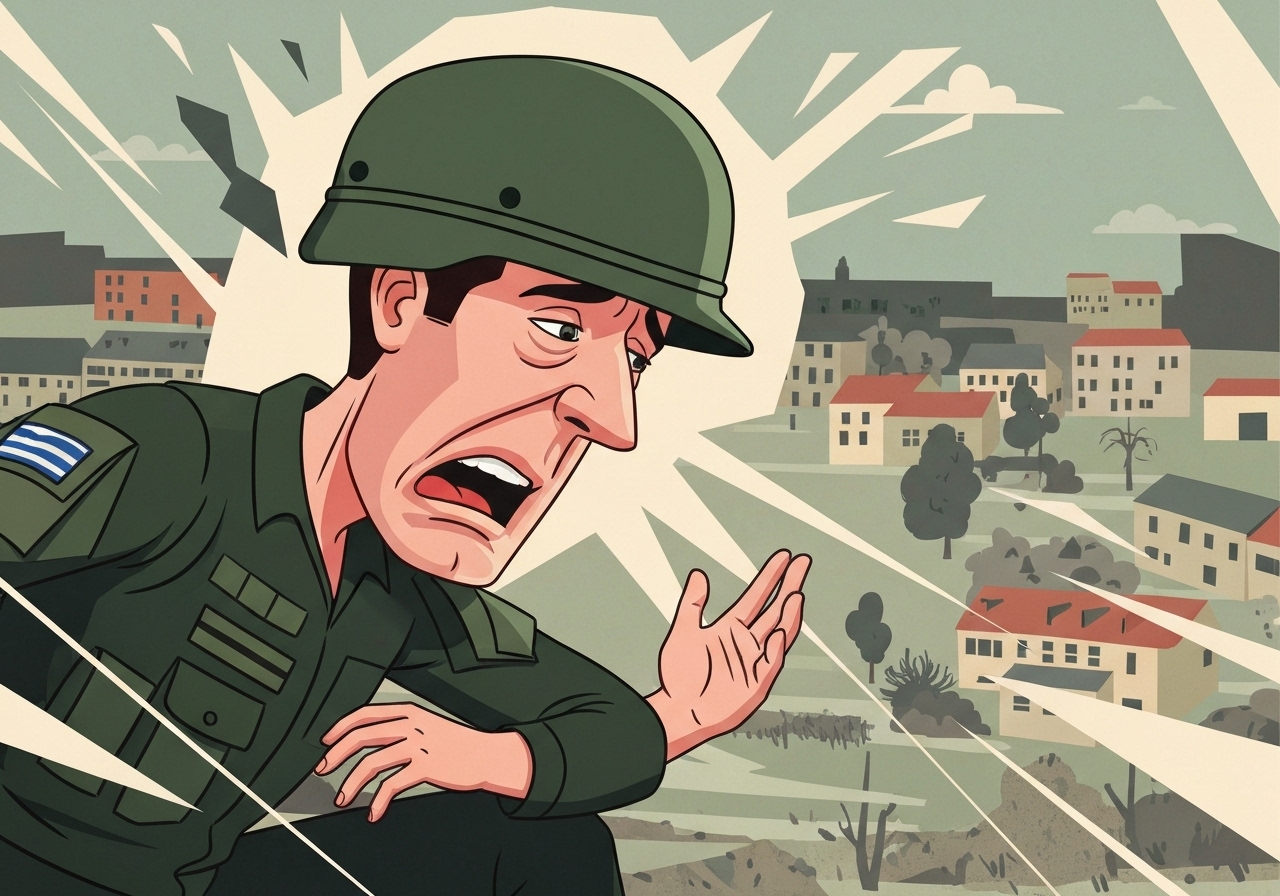
An Afghan asylum seeker, 29-year-old Rahmanullah Lakanwal, has been charged with first-degree murder after an ambush that wounded two National Guard members blocks from the White House on the eve of Thanksgiving; Specialist Sarah Beckstrom, 20, later died of her injuries and Staff Sgt. Andrew Wolfe, 24, was critically wounded. Community emails and case records show neighbors and advocates had flagged deepening isolation, episodic long-distance driving and instability in Bellingham, Washington, in 2023–24. Lakanwal, who arrived in the United States in 2021 through Operation Allies Welcome and resettled with his wife and five sons, reportedly cycled between prolonged withdrawal and sudden cross-country trips. Federal investigators continue to probe motive and whether earlier warnings could have prompted different interventions.
Key Takeaways
- Rahmanullah Lakanwal, 29, was charged with first-degree murder after an ambush that wounded two National Guard members near the White House; Specialist Sarah Beckstrom, 20, died the following day.
- Lakanwal entered the U.S. in 2021 via Operation Allies Welcome and settled in Bellingham, Washington, with his wife and five sons, all under age 12.
- Community emails dated January 2024 documented an extended decline beginning March 2023: job loss, periods described as “dark isolation,” eviction threats and weeks-long cross-country drives.
- The U.S. Committee for Refugees and Immigrants visited Bellingham in March 2024 after receiving concerns but, according to the community contact, did not complete a sustained intervention.
- Officials, including U.S. Attorney Jeanine Pirro, say Lakanwal drove from Bellingham (about 80 miles north of Seattle) to Washington, D.C., to carry out the attack; investigators have not established a motive.
- Family and local school staff reported episodes of neglect tied to the suspect’s withdrawal, prompting welfare and community outreach attempts in 2023–24.
Background
Operation Allies Welcome, launched in 2021, evacuated and resettled tens of thousands of Afghans who had worked with U.S. forces and diplomatic missions; many arrivals faced abrupt cultural, linguistic and economic transitions. Lakanwal previously served in an Afghan unit described in reporting as a Zero Unit, units that received U.S. intelligence support, and resettled with his family under that program. Resettlement agencies, social services and local communities were stretched thin as they processed arrival needs and ongoing mental-health and employment support for new arrivals.
Public records and community emails suggest Lakanwal’s difficulties began or intensified in early 2023 when he quit a job in March 2023 and stopped attending English classes consistently. Neighbors and an advocate for Afghan families reported a pattern of long, lightless seclusions in the suspect’s home interspersed with sudden, prolonged driving trips across state lines. Those behaviors, combined with housing instability and reported caregiving lapses for young children, prompted outreach to refugee services and social-welfare offices.
Main Event
Federal prosecutors allege that Lakanwal ambushed two National Guard members on a Wednesday afternoon near the White House; both were critically wounded at the scene. Specialist Sarah Beckstrom, 20, succumbed to her injuries the next day, while Staff Sgt. Andrew Wolfe, 24, remained critically injured. Authorities say the attack was sudden and described it as an ambush, and they have charged Lakanwal with first-degree murder.
Washington, D.C., federal law-enforcement sources and the U.S. Attorney’s office say investigators recovered evidence linking Lakanwal to the scene and traced his route from Bellingham to the nation’s capital. Jeanine Pirro, U.S. attorney for the District of Columbia, stated publically that Lakanwal drove cross-country to execute the attack; investigators are still assembling a timeline of his travel and contacts leading up to the incident.
The community advocate who shared emails with reporters said they had previously contacted the U.S. Committee for Refugees and Immigrants (USCRI) with concerns about potential self-harm and family neglect. USCRI staff visited Bellingham in March 2024, according to the advocate’s account, but the outreach did not result in sustained treatment or monitoring that the community member was aware of.
Analysis & Implications
The case highlights the challenge of distinguishing risk of self-harm from risk of violence toward others. Community members repeatedly described profound social withdrawal, reduced functioning as a provider and episodic “manic” travel; those symptoms can indicate severe mood or trauma-related disorders but are not, by themselves, predictors of violent acts. Systems that receive welfare or refugee referrals—local social services, resettlement agencies and schools—often lack immediate access to comprehensive mental-health assessment and crisis-intervention resources.
Policy debates are likely to focus on where responsibility lies for monitoring high‑risk arrivals and whether current intake and follow-up protocols under Operation Allies Welcome provided adequate continuity of care. Advocates warn that strengthening surveillance or immigration screening without investing in community-based mental-health supports risks stigmatizing entire refugee populations. Conversely, lawmakers and some public voices will press for tighter security screening given that a resettled individual is accused of a high-profile attack near the U.S. seat of government.
Practically, the incident will prompt federal, state and local agencies to review interagency communication—between refugee resettlement organizations, child-welfare services, mental-health providers and law enforcement—about serious, unresolved welfare or safety concerns. For the Afghan resettled community, the episode may deepen fears of backlash and complicate outreach efforts; charities and social-service agencies may face pressure to document and escalate warnings more formally.
Comparison & Data
| Timeline | Key Event |
|---|---|
| 2021 | Entry to U.S. under Operation Allies Welcome |
| March 2023 | Community account: quit job; behavior declined |
| Jan 2024 | Emails to USCRI documenting isolation, travel, family neglect |
| March 2024 | USCRI visit to Bellingham after reported concerns |
| Late Nov (eve of Thanksgiving) | Ambush near White House; two Guard members wounded, one died |
The table above summarizes key dates and reported interventions. It shows a multi-year arc from resettlement to the alleged attack, with community outreach occurring months before the incident. While dates and events are drawn from community emails and official statements, investigators are still confirming links between those interventions and the later violence.
Reactions & Quotes
“I was worried he might hurt himself — not that he would harm others,” said a community advocate who shared emails with investigators and requested anonymity while cooperating with the FBI.
Anonymous community advocate (cooperating with FBI)
“He drove across the country from Bellingham to Washington, D.C., to carry out this attack,” Jeanine Pirro said in a public statement describing the suspected travel route.
Jeanine Pirro, U.S. Attorney, District of Columbia (official statement)
USCRI representatives confirmed a March 2024 visit to Bellingham but did not provide details on ongoing casework when contacted.
U.S. Committee for Refugees and Immigrants (nonprofit resettlement agency)
Unconfirmed
- Whether Lakanwal had a diagnosed psychiatric disorder before or after resettlement remains unconfirmed by medical records.
- The full content and outcome of USCRI’s March 2024 visit, including whether the family explicitly refused help, have not been independently verified.
- No definitive motive has been publicly established by investigators as of this writing; links between prior warnings and the attack remain under review.
Bottom Line
The allegations against Rahmanullah Lakanwal underscore limits in current pathways for identifying and responding to severe, episodic behavior among recently resettled individuals. Community members and service providers reported escalating dysfunction months before the attack, but investigators have not yet tied those warnings to a clear motive or to missed legal thresholds for intervention.
Policymakers and service agencies will face pressure to clarify responsibilities: how refugee resettlement programs, social-welfare agencies and law enforcement share information and act on serious welfare concerns. For the families and local Afghan communities, restoring trust while ensuring public safety will require transparent reviews of what happened, investment in mental-health capacity, and careful communication to avoid stigmatizing an entire population.
Sources
- Associated Press (U.S. news organization) — original reporting on Lakanwal, community emails and the attack.
- U.S. Committee for Refugees and Immigrants (USCRI) (nonprofit resettlement agency) — agency referenced in community outreach and visit to Bellingham.
- U.S. Department of Justice (official) — federal charging and prosecutorial statements regarding first-degree murder charges.