
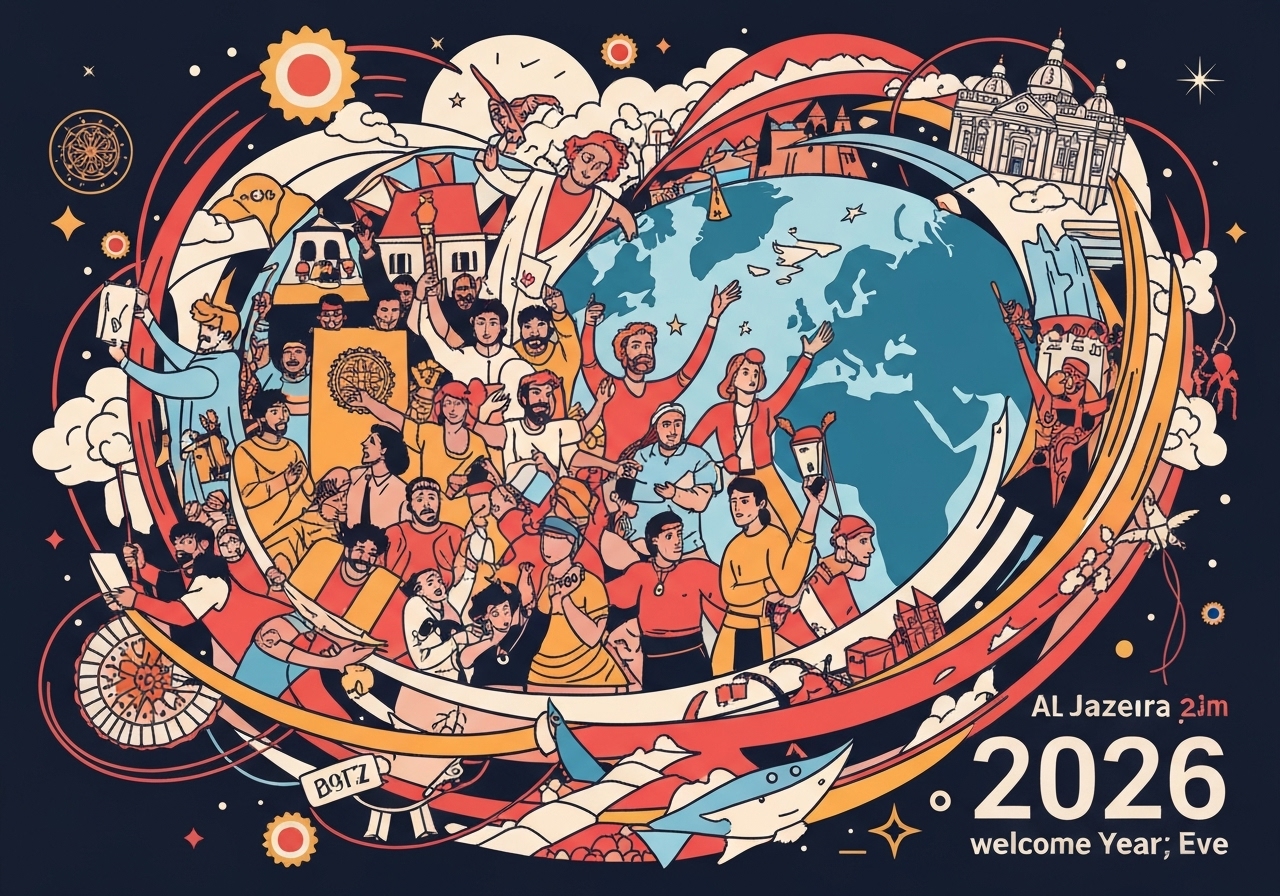
Lead: Cities around the globe marked the arrival of 2026 on the night of 31 December 2025, with waterfront fireworks, public gatherings and official safety operations in place. Early time zones saw major displays over harbors and coastlines while later celebrations stretched across the Americas from Rio de Janeiro’s beaches to New York’s Times Square. Organizers reported large crowds at key viewing points, and municipal authorities emphasized public-safety measures as the transitions proceeded one time zone at a time. Media agencies AP and Reuters provided live reporting on the unfolding events.
Key Takeaways
- New year observances unfolded worldwide beginning 31 December 2025 as nations entered 2026 by time zone, with major displays timed to local midnights.
- Waterfront firework shows were prominent in early time zones; several coastal cities staged coordinated pyrotechnics and light displays.
- Large public gatherings formed at iconic sites including Rio de Janeiro’s beaches and Times Square in New York City, drawing international media attention.
- City officials across multiple metropolises deployed enhanced safety and crowd-management plans, citing holiday-season precedents.
- Coverage by international news agencies (AP, Reuters) and regional outlets documented celebrations and municipal statements in real time.
- No widespread, confirmed disruptions were reported in initial reports, though authorities continued to monitor weather and public-safety conditions.
Background
New Year’s Eve has long been marked by large public gatherings at symbolic urban landmarks — from waterfronts to central squares — where fireworks and performances accompany countdowns. Over recent decades, cities have refined logistics for these events, adding explicit crowd-control plans, temporary transport adjustments and public-health advisories after pandemics and prior incidents. The global progression of midnight celebrations follows standard time-zone shifts, producing a rolling series of festivities from west to east or vice versa depending on coverage. Media agencies and local authorities now routinely coordinate to provide near-live updates for international audiences.
Major destinations such as Rio de Janeiro and New York City have become focal points for both domestic and international visitors, combining established traditions — e.g., beach gatherings in Rio — with televised spectacles like the Times Square ball drop. These venues also attract heightened municipal planning: police deployments, medical stations, and contingency routes for emergency response. The commercialization and broadcast reach of New Year’s events have increased public expectations for both spectacle and safety, influencing how cities allocate resources each year.
Main Event
As clocks struck midnight across early time zones on 31 December 2025, several coastal cities illuminated their skylines with elaborate fireworks synchronized with live performances. Crowds gathered on promenades and at public viewing points, with many attendees reporting festive but orderly atmospheres in initial reports. Organizers in several locations emphasized ticketing or timed-entry mechanisms to avoid overcrowding at popular vantage points.
In later time zones, festivities moved inland and westward; Rio de Janeiro’s beaches were highlighted for large congregations watching pyrotechnics over the ocean. In North America, Times Square hosted its annual midnight countdown, complemented by local performances and increased security measures. Law-enforcement and emergency teams remained visible at major sites to manage crowd flows and respond to medical needs.
Broadcasters and wire services including AP and Reuters provided continuous visual and text dispatches, relaying images from key global cities and summarizing municipal advisories. Local officials in several capitals released brief statements about safety protocols and transport changes. As the night progressed into the Americas, event organizers monitored weather and public-transport capacity to adjust operations where necessary.
Analysis & Implications
Large, simultaneous celebrations across multiple jurisdictions create both symbolic unity and logistical complexity. From an urban-management perspective, the recurring challenge is balancing open public access with effective crowd control, medical readiness and transport resilience. Cities have increasingly used layered strategies — perimeter controls, designated viewing zones and real-time monitoring — to reduce bottlenecks and respond to incidents quickly.
Economically, New Year’s events deliver short-term boosts to hospitality, retail and transport sectors in host cities, particularly in tourism-dependent destinations. Broadcast rights and sponsorships also generate revenues that offset municipal costs for staging and security. However, unpredictable elements such as weather or sudden public-health advisories can affect turnout and economic outcomes, making contingency planning important for stakeholders.
Politically and socially, these mass occasions test public trust in local authorities’ capacity to manage large crowds safely. Transparent communication about measures (transport, first aid, emergency access) tends to reduce friction and improves cooperation from attendees. International media attention amplifies any operational failures as well as successes, shaping perceptions well beyond the immediate locales.
Comparison & Data
| City/Region | Signature Venue | Characteristic |
|---|---|---|
| Sydney / early time zones | Harborfront displays | Waterfront fireworks and harbor-focused shows |
| Rio de Janeiro | Copacabana / beaches | Mass beach gatherings with ocean pyrotechnics |
| New York City | Times Square | Iconic ball drop and staged performances |
The table above highlights the different focal points that traditionally define New Year’s celebrations by city. While exact crowd counts vary year to year and reports were preliminary for 31 December 2025, the venues listed are consistently among the most visible for international audiences. Municipal responses — from transport modifications to public-safety deployments — are tailored to the spatial characteristics of each site.
Reactions & Quotes
We have deployed teams across key locations to ensure a safe and orderly celebration for residents and visitors.
City official (public safety statement)
Officials used concise statements to reassure the public about preparedness; these comments accompanied visible police and emergency-presence at major sites.
We encourage everyone to enjoy festivities responsibly and to follow guidance on entry points and transport updates.
Event organizer (municipal advisory)
Organizers reiterated practical guidance — about timed entry and transport — aimed at smoothing crowd flows and reducing delays for attendees.
The atmosphere is joyous and well-managed — people came early and the mood is celebratory.
Spectator (on-site remark)
On-the-ground accounts from attendees emphasized celebration mixed with adherence to posted instructions, according to media dispatches.
Unconfirmed
- Precise crowd-size figures for many venues on 31 December 2025 were not confirmed at the time of reporting and remain subject to later official estimates.
- Any localized disruptions reported in initial dispatches (transport delays, small-scale medical incidents) await formal confirmation from municipal authorities.
- Full, post-event assessments of economic impact for host cities on 1 January 2026 had not been released at the time of early coverage.
Bottom Line
The transition to 2026 proceeded as a rolling series of public celebrations around the world on 31 December 2025, showcasing waterfront fireworks, traditional gatherings and major urban spectacles from early time zones through the Americas. Early reports emphasized orderly crowds and active municipal management, with media agencies providing broad visual coverage. While immediate disruptions were not widely reported, formal post-event reviews (crowd counts, transport impact, economic analysis) will clarify the full outcomes and lessons for organizers.
For readers, the key takeaways are the sustained importance of contingency planning for mass events and the continued role of international media in shaping collective experience. Authorities and organizers are expected to publish more detailed summaries in the days following the celebrations, which will provide firmer data on attendance, costs and any operational challenges.
Sources
- Al Jazeera — news outlet/gallery
- Associated Press — news agency (live coverage referenced)
- Reuters — news agency (live coverage referenced)