
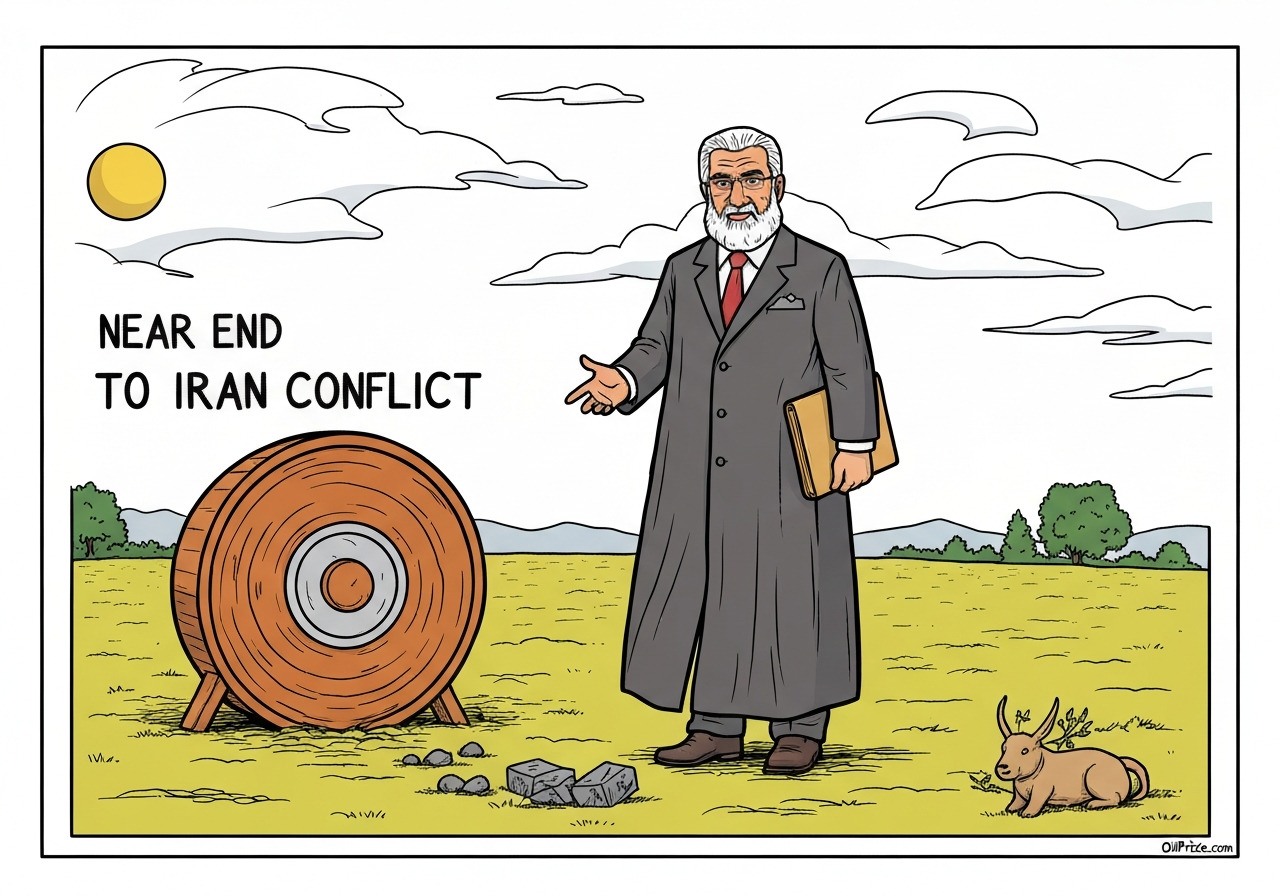
Oil prices retreated sharply on Friday after Israeli Prime Minister Benjamin Netanyahu suggested the conflict with Iran could conclude sooner than markets had feared, alleviating near-term supply concerns. At the time of reporting West Texas Intermediate (WTI) traded at $92.57, down 3.12%, while Brent fell to $105.18, down 3.19%. The pullback came after a volatile session that followed attacks on regional energy infrastructure, including an Israeli strike on the South Pars gas field and Iranian strikes on multiple facilities. The combination of political remarks and policy signals helped cool a spike that briefly pushed Brent above $119 the prior day.
Key Takeaways
- WTI was $92.57, down 3.12%; Brent was $105.18, down 3.19% at the time of reporting.
- Brent briefly exceeded $119 on Thursday after attacks on the South Pars gas field and other regional energy targets.
- Netanyahu said joint U.S.-Israel strikes had degraded Iran’s strategic capabilities and that the war would “end faster than people think.”
- Netanyahu also signaled Israel would not continue strikes on South Pars at U.S. request, easing immediate infrastructure‑targeting fears.
- Markets were further pressured by a U.S. official saying Washington could authorize another Strategic Petroleum Reserve (SPR) release to contain prices.
- South Korean equities rose about 0.5% after the remarks; the S&P 500 closed 0.3% lower after rebounding from deeper intraday losses.
- U.S. crude has been rerouted through the Panama Canal to move supply toward Asia while options such as easing some Iranian sanctions are being discussed.
Background
Global oil markets have been jittery since exchanges of strikes and counterstrikes escalated across the Middle East. The South Pars gas field—one of the world’s largest shared gas resources between Iran and Qatar—became a focal point after reported damage raised the prospect of broader disruption to regional energy output. Historically, sudden attacks on critical energy infrastructure in the Gulf region have triggered sharp, short‑lived price spikes as traders price in potential supply interruptions.
Beyond immediate physical risks, the conflict feeds into a wider set of vulnerabilities: Asia’s heavy import dependence on Middle Eastern crude, concentrated shipping routes such as the Strait of Hormuz, and the limited spare production capacity available from non‑regional suppliers. Policymakers and market participants have therefore looked to strategic reserves and logistical workarounds—like diverting U.S. barrels via the Panama Canal—to meet Asian demand if Middle Eastern flows are interrupted.
Main Event
Thursday’s escalation—an Israeli strike on the South Pars facilities followed by Iranian attacks on various regional energy targets—drove Brent briefly above $119 per barrel as traders feared a broader campaign against energy infrastructure. That surge reversed on Friday after public remarks from Israel’s leader and signals from U.S. officials. Market participants interpreted those comments as an indication that major, sustained damage to regional output might be avoided.
Netanyahu said joint U.S.-Israel operations had significantly degraded Iran’s capabilities and that the conflict would not be open‑ended. He added the campaign would “end faster than people think,” and indicated Israel would refrain from further strikes on South Pars at the request of President Trump. Those statements reduced the immediate tail‑risk of prolonged attacks on facilities critical to global supply.
At the same time, U.S. Treasury figure Scott Bessent indicated Washington could permit another release from the Strategic Petroleum Reserve, a tool used previously to blunt price spikes. Traders also noted logistical responses: U.S. barrels are being sent through the Panama Canal to supply Asia, and authorities are reportedly weighing temporary reliefs on certain Iranian oil sanctions to alleviate the tightness in regional markets.
Analysis & Implications
The price reversal highlights how sensitive energy markets remain to political signals as much as to on‑the‑ground events. When leaders publicly suggest a shorter conflict horizon or restrained targeting of energy infrastructure, risk premia embedded in crude prices can evaporate quickly. That dynamic was evident in the swift move from panic-driven buying to rapid profit‑taking and recalibration on Friday.
Policy tools such as SPR releases add another layer of dampening for prices, particularly if Washington coordinates releases with allies. An additional SPR distribution would provide short‑term relief but not a structural increase in long‑run supply; markets may therefore remain vulnerable to renewed hostilities or unexpected production losses. Shipping route adjustments, like routing U.S. barrels for Asia via the Panama Canal, are stopgap measures that help rebalance flows but raise costs and logistical complexity.
Longer term, the episode could accelerate buyer diversification away from the most volatile producers and increase investment in resilience—such as strategic stockpiles, alternative pipeline routes, and LNG capacity. It may also sharpen political pressure to de‑escalate militarily and to seek diplomatic pathways that reduce the likelihood of energy infrastructure being targeted. For oil companies and national planners, contingency and insurance costs could rise, reflecting higher perceived geopolitical risk.
Comparison & Data
| Benchmark | Current (Fri) | Change (%) | Peak (Thu) |
|---|---|---|---|
| WTI | $92.57 | -3.12% | — |
| Brent | $105.18 | -3.19% | > $119 |
The table shows end‑of‑session levels and the magnitude of Friday’s pullback against Thursday’s intraday peak for Brent. The reversal erased a significant portion of Thursday’s gains but left both benchmarks well above pre‑escalation ranges, reflecting persistent supply concerns. Market volatility measures and regional risk premia remain elevated, indicating that prices could swing sharply again on new developments.
Reactions & Quotes
Official and market reactions were swift, reflecting the interplay between political signaling and price formation.
“It will end faster than people think.”
Benjamin Netanyahu, Prime Minister of Israel
Netanyahu framed the operations as time‑limited and linked them to degraded Iranian capabilities, a message that markets interpreted as lowering the chance of a prolonged campaign targeting energy infrastructure.
“Washington could authorize another release from the Strategic Petroleum Reserve.”
Scott Bessent, U.S. Treasury (reported)
The SPR remark suggested additional policy room to blunt price spikes, which contributed to easing immediate market stress despite ongoing supply concerns.
Unconfirmed
- Reports that Washington will definitively lift sanctions on some Iranian oil remain unconfirmed and lack formal, published approvals.
- The precise scale and timing of any additional SPR release were described as possible but not officially announced.
- The full extent of damage at South Pars and its lasting impact on production capacity has not been independently verified in open-source technical assessments.
Bottom Line
Friday’s decline in oil prices shows how much market sentiment pivots on political cues and policy options in times of regional conflict. Netanyahu’s comments and signals of potential SPR action removed some of the immediate upside pressure, but prices remain elevated because physical supply risks and logistical dislocations persist.
Investors and energy policymakers should expect continued volatility: short‑term relief can be reversed by renewed hostilities or fresh evidence of infrastructure damage. Close monitoring of official statements, SPR actions, and verification of production impacts at key facilities like South Pars will determine how durable the current easing in prices proves to be.
Sources
- OilPrice.com — energy news outlet reporting the events and market moves (original report).