
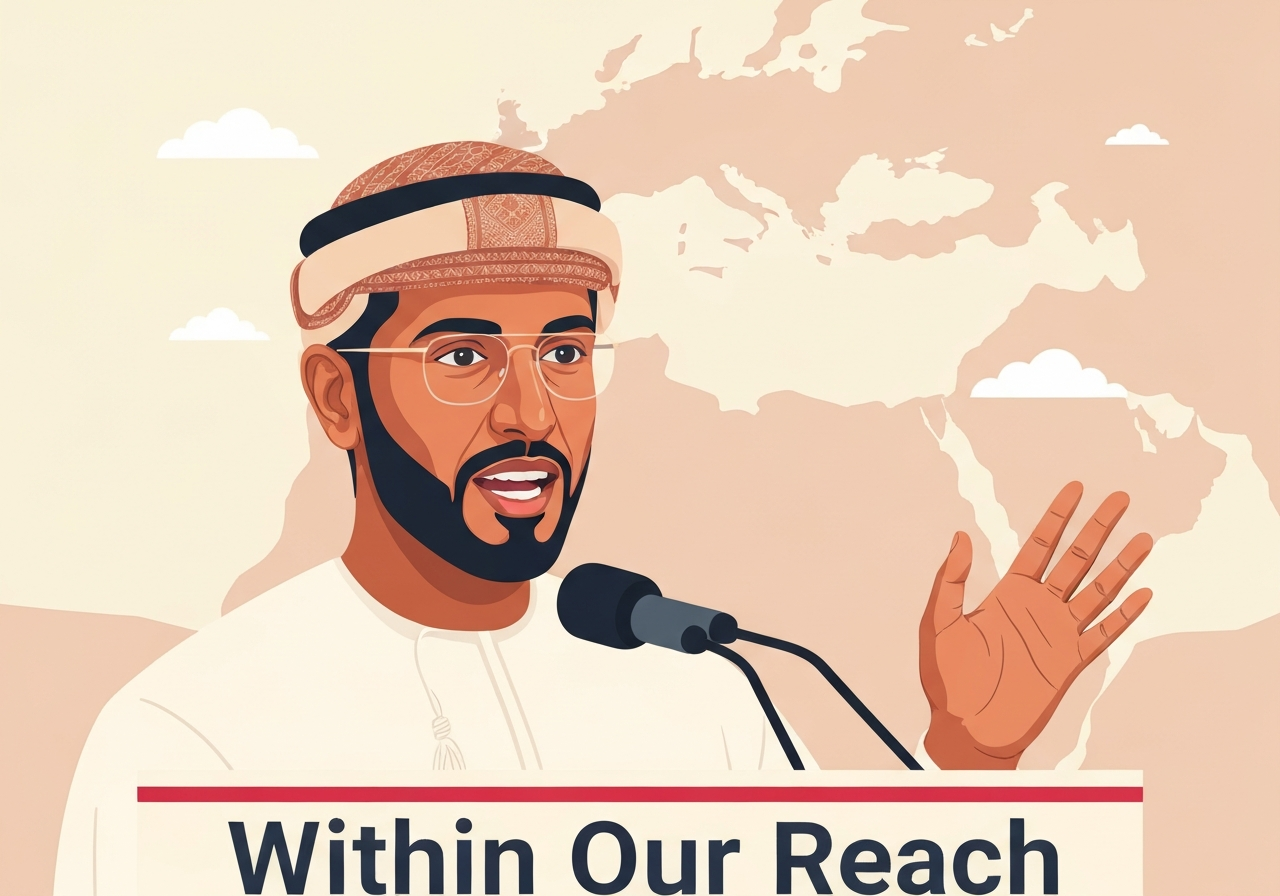
On Feb. 27, 2026, Omani Foreign Minister Badr bin Hamad Al Busaidi told CBS’s Face the Nation that a negotiated U.S.-Iran nuclear agreement is attainable if negotiators are given more time and diplomatic space. Speaking amid ongoing technical talks and renewed U.S. concern about Iran’s program, Albusaidi—who is acting as a facilitator—said negotiators have secured a breakthrough on stockpiles and verification that was not part of the 2015 framework. He urged restraint from policymakers weighing military options and emphasized comprehensive IAEA oversight as central to any durable settlement.
Key Takeaways
- Interview date and venue: Feb. 27, 2026, on CBS’s Face the Nation; interviewer Margaret Brennan and guest Badr Albusaidi.
- Albusaidi’s central message: a negotiated deal is “within our reach” if diplomacy is allowed time and space.
- Stockpile breakthrough: Albusaidi said negotiators have secured an agreement on zero accumulation/zero stockpiling of weapons-usable nuclear material, a provision he described as new versus the 2015 deal.
- Verification: He emphasized full, comprehensive IAEA verification and said inspectors would have access under a deal.
- Timeline cited by mediator: Albusaidi suggested implementation and on-site verification could be addressed within roughly 90 days once political terms are agreed.
- U.S. domestic politics: Albusaidi acknowledged skepticism from President Trump and members of his team, while saying U.S. negotiators, including a recent meeting with Vice President JD Vance, were engaged.
- Regional dialogue: Non-nuclear concerns, including missiles and Gulf security, were proposed to be handled in parallel regional talks rather than blocking the nuclear package.
- Uncertainty flagged: Albusaidi framed several technical and political elements as still being worked out and not yet final.
Background
Oman has a long history of quiet diplomacy with Tehran and has acted repeatedly as an intermediary between Iran and Western capitals. Badr bin Hamad Al Busaidi, Oman’s foreign minister, played a facilitator role in the most recent round of U.S.-Iran contacts aimed at preventing an escalation over Tehran’s nuclear activities. The 2015 JCPOA framework remains the reference point for many negotiators, but discussions since 2023–2025 have included fresh concepts on verification and material disposition in response to changes in Iran’s capabilities.
U.S. policy under President Trump has oscillated between pursuing negotiated settlements and pressing for more immediate pressure, including threats of military action. Regional actors—Gulf Cooperation Council states and Israel—have been vocal about security concerns, especially regarding possible Iranian ballistic missile activities. The IAEA remains the technical authority on safeguards and verification, and its inspections and reports are central to the negotiators’ leverage and credibility.
Main Event
In the Face the Nation interview Albusaidi described recent talks as producing a novel agreement element: an arrangement to eliminate or irreversibly convert weapons-usable enriched material so that Iran could not accumulate a bomb-making stockpile. He said that, compared with the 2015 deal, negotiators have discussed measures that aim for “zero stockpiling” combined with comprehensive IAEA monitoring.
Albusaidi declined to present technical details publicly but insisted the core political framework could be agreed rapidly if leaders grant negotiators space. He said he had briefed U.S. officials, including Vice President JD Vance, and thanked them for engagement while urging Washington to avoid preemptive strikes that would imperil diplomacy.
The minister repeated that, under an agreed package, inspectors would have access to sites now in question and that stockpiles could be “down-blended to a neutral level” and converted into fuel—measures he called irreversible. He estimated that, once political terms are set, implementation and verification steps could be completed in a roughly 90-day cycle.
On the subject of ballistic missiles and other regional concerns, Albusaidi said Iran signaled readiness to discuss broader security and economic cooperation in a regional forum, but he stressed the immediate priority was resolving the nuclear file to ensure Iran cannot build a bomb.
Analysis & Implications
If Albusaidi’s account of a zero-stockpile element is accurate and enforceable, it would represent a significant shift in the negotiation menu: rather than relying solely on limits to enrichment capacity and centrifuge numbers, the focus would also be on prohibiting domestic accumulation of weapons-usable material. That approach reduces the practical pathway to a bomb even if enrichment continues at some level for civilian purposes.
Operationalizing such an arrangement depends critically on credible, timely verification by the IAEA and agreed procedures for material removal, down-blending, or export. The logistics—where material would be processed or stored, who performs irreversible conversion, and what chain-of-custody assurances exist—are technical but politically sensitive and will drive whether capitals accept the deal.
Politically, the proposal faces hurdles in Washington and among regional allies. Skeptics will press for access rights, snap-back enforcement mechanisms, and assurances that sanctions relief is sequenced to verification. Israel and some Gulf states may demand parallel security guarantees or regional confidence-building steps before endorsing a package that eases pressure on Tehran.
Militarily, Albusaidi warned that kinetic action would complicate the diplomatic window. Even limited strikes could destroy verification baselines and harden opposing positions, making a negotiated settlement more difficult and lengthening regional instability risks. Conversely, success would reduce the immediate probability of conflict and provide international inspectors the access needed to certify compliance.
Comparison & Data
| Issue | 2015 JCPOA | Proposed Elements (per Albusaidi) |
|---|---|---|
| Stockpiles | Limits on enriched uranium amounts; some stockpiles retained under restrictions | Zero accumulation/zero stockpiling; irreversible down-blending or removal of weapons-usable material |
| Verification | IAEA monitoring with agreed access; some limitations on intrusive measures | Full, comprehensive IAEA verification with on-site access to disputed sites and continuous monitoring |
| Timeline | Phased implementation over years | Political terms could be agreed quickly; technical implementation and verification envisaged within ~90 days |
| Scope | Primarily nuclear | Core deal nuclear-focused; non-nuclear issues to be handled via regional dialogue |
The table summarizes the mediator’s description against the 2015 reference. The key operational questions—where material would be processed and how irreversible measures are verified—remain to be detailed in agency technical work.
Reactions & Quotes
A peace deal is “within our reach,” Albusaidi said, urging negotiators be given time to finish technical work.
Badr bin Hamad Al Busaidi, Omani Foreign Minister (as quoted on Face the Nation)
“I don’t think any alternative to diplomacy is going to solve this problem,” Albusaidi added, framing military options as counterproductive.
Badr bin Hamad Al Busaidi, Omani Foreign Minister (as quoted on Face the Nation)
Margaret Brennan emphasized U.S. concerns about the pace of talks and recent reports about site activity; Albusaidi responded that access would be part of a deal.
Margaret Brennan, CBS Face the Nation (interview context)
Unconfirmed
- That Iran has formally agreed to ship all weapons-usable material abroad; Albusaidi described irreversible down-blending but party-level confirmations and logistics are not yet public.
- That U.S. inspectors will have on-the-ground access in Iran; Albusaidi said the United States could have access in time, but formal bilateral or multilateral arrangements have not been published.
- The 90-day full verification timeline is an estimate from negotiators; implementation speed will depend on technical capacity, site access, and political sequencing.
Bottom Line
Badr Albusaidi presents a cautiously optimistic assessment: negotiators have reportedly identified a potentially decisive element—preventing any accumulation of weapons-usable material—that could materially limit Iran’s ability to produce a bomb. If that claim proves accurate and the IAEA can implement robust, timely verification, the deal would alter the practical breakout calculus compared with earlier accords.
However, technical details, sequencing of sanctions relief, and buy-in from the United States’ regional partners remain the primary obstacles. The next steps—technical talks in Vienna and further negotiator rounds—will determine whether Albusaidi’s confidence translates into a verifiable, durable agreement or whether political pressures and security incidents will close the diplomatic window.