
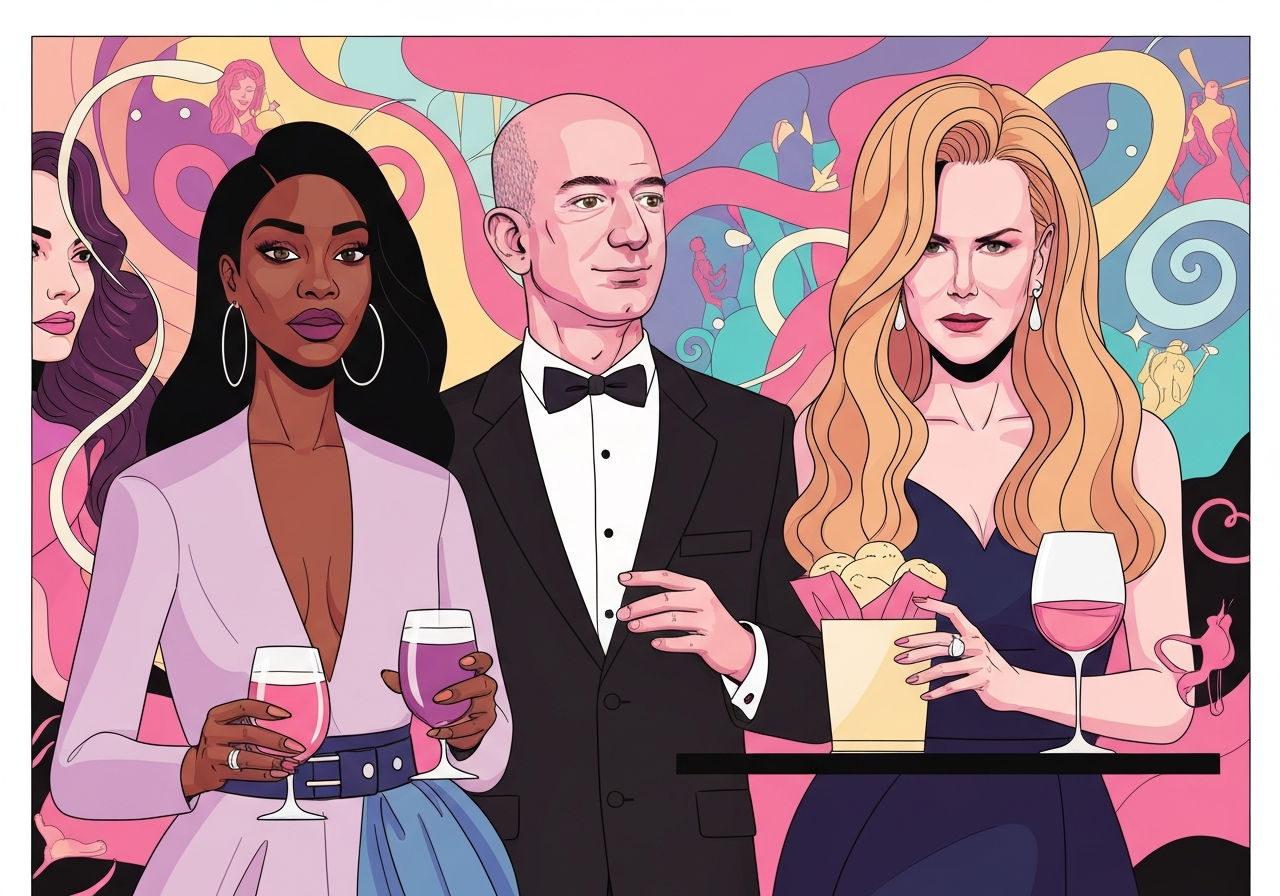
On the night before the Academy Awards, stars and industry figures gathered at Chanel’s 17th annual Polo Lounge dinner at the Beverly Hills Hotel, mixing red‑carpet nerves with cocktail chatter. Guests included performers such as Teyana Taylor, tech and business figures including Jeff Bezos, and longtime nominee Nicole Kidman, who reflected on the strangeness of winning an Oscar. The event came amid a turbulent season for Hollywood — weak autumn box office returns and a boardroom drama that ended with Paramount agreeing to acquire Warner Bros. Discovery for $111 billion. Despite the glitz, conversations ranged from fashion and luck to the seismic corporate shifts reshaping studios and awards prospects.
Key Takeaways
- Chanel and Charles Finch hosted their 17th annual pre‑Oscars dinner at the Polo Lounge in Beverly Hills on the eve of the Academy Awards; attendees mixed performers, executives and business leaders.
- Nicole Kidman attended in a white Chanel suit adorned with decorative ladybug motifs; she noted the charm as a lighthearted good‑luck touch and reflected on her 2003 Best Actress win.
- Teyana Taylor and Jeff Bezos were among the notable guests, highlighting the cross‑sector draw of Oscar‑week events.
- Industry conversation at the dinner referenced a recent corporate move: Paramount’s $111 billion agreement to acquire Warner Bros. Discovery, a studio behind two leading Best Picture contenders.
- Ted Sarandos, co‑chief executive of Netflix, framed Netflix’s decision to withdraw from that acquisition contest as the right strategic choice, according to attendees.
- The gathering underscored a contrast: social celebration and performative glamour alongside high‑stakes commercial negotiations affecting film production and distribution.
Background
Pre‑Oscars dinners have long been fixtures of awards week, providing studios, publicists and brands a staged environment to celebrate nominees and build narrative momentum. Chanel’s Polo Lounge event, now in its 17th year under the partnership with British producer and publisher Charles Finch, has become a predictable spot for nominees to mingle with fashion houses and corporate influencers. Such dinners serve both social and promotional purposes: they are hospitality showcases for sponsors and soft‑power venues where deal talk and reputation shaping quietly occur.
Hollywood has been negotiating several pressures in recent seasons. The fall box office showed uneven returns, with a number of star‑studded releases failing to meet historic expectations. At the same time, studios have been the center of intensive M&A activity; the reported $111 billion deal for Warner Bros. Discovery by Paramount comes after a high‑profile bidding and negotiation period that drew commentary across the industry. That corporate churn affects everything from film financing and release strategies to awards campaigning budgets and studio priorities.
Main Event
The dinner at the Beverly Hills Hotel unfolded on the venue’s patio and in its private dining rooms, where nominated actors and their entourages circulated between lychee martinis and small plates. Fashion dominated small talk: guests noted outfits, accessories and the evening’s curated details, including decorative motifs that several attendees described as lucky tokens. Conversations were punctuated by laughter and a shared sense of tension, as nominees balanced celebration with the knowledge that the next night’s results could materially change careers.
Nicole Kidman spoke in a conversational way about the odd delayed recognition that follows an Oscar win, saying she had been surprised by how long it took for the reality of her 2003 Best Actress award to settle in. The presence of non‑film industry figures — including technology entrepreneurs and executives — changed the tone from a strictly industry event to a hybrid cultural gathering. Attendees said topics ranged from the craftsmanship of nominated films to the future of theatrical release windows and streaming economics.
Industry leaders present described the recent studio takeover drama as an undercurrent at several gatherings, including this dinner. Several guests referenced Paramount’s plan to purchase Warner Bros. Discovery for $111 billion and discussed what consolidation might mean for content libraries and awards campaigns. Netflix executives, who had been part of the wider scramble around studios, conveyed the company’s strategic decision to step back from the acquisition fight was deliberate, according to people familiar with those remarks.
Analysis & Implications
This gathering illustrates how awards season functions as both a cultural ritual and an industry marketplace. Brand partners like Chanel use high‑visibility hospitality to associate labels with prestige, while studios and streamers use the concentrated attention of awards week to cultivate relationships with talent and influencers. The social veneer of these dinners often masks substantive conversation about distribution, budgets and strategic priorities that will shape the next slate of productions.
Paramount’s reported $111 billion agreement to acquire Warner Bros. Discovery signals a consolidation trend that could recalibrate power across Hollywood. Bigger conglomerates gain expanded content libraries and bargaining power with exhibitors and platforms, which may influence which films receive marketing muscle during awards season. For talent, that can translate into different incentives for participating in studio projects versus independent or streaming productions.
Netflix’s decision to withdraw from the studio bidding, as framed by its leadership, suggests a calculation about focus and capital allocation: the company can prioritize content investment and platform growth over large, complex mergers. That posture may preserve Netflix’s agility but also means it cedes certain library and production scale advantages to consolidated studios — a tradeoff with long‑term implications for awards campaigning and theatrical partnerships.
Comparison & Data
| Item | Detail |
|---|---|
| Chanel Polo Lounge event | 17th annual pre‑Oscars dinner, Beverly Hills Hotel |
| Notable guests | Teyana Taylor, Jeff Bezos, Nicole Kidman, industry executives |
| Major corporate move | Paramount agreement to acquire Warner Bros. Discovery — $111 billion |
| Warner Bros. Discovery films | Included top Best Picture contenders such as “One Battle After Another” and “Sinners” |
The table above highlights the overlap between social events and corporate news: an evening meant to spotlight awards contenders also became a forum where attendees exchanged views on a $111 billion industry transaction. That juxtaposition underscores how business dynamics are now inseparable from cultural events in modern Hollywood.
Reactions & Quotes
Guests described moments of levity and reflection throughout the evening, and a few attendees offered succinct takes that captured the mood.
“Those ladybug accents felt like tiny talismans for the night,”
Nicole Kidman
Kidman’s comment, delivered with a smile at the Polo Lounge, was framed as a playful nod to tradition rather than superstition; she also reflected on how the reality of winning an Oscar can take years to fully register. Another voice at the event addressed the strategic posture of major streamers during the acquisition episode.
“Stepping back from the bidding was the right strategic choice for us,”
Ted Sarandos, Netflix (as reported by attendees)
Sarandos’s remark, recounted by people at the dinner, framed Netflix’s withdrawal from the acquisition contest as a conscious decision about priorities rather than a retreat from industry influence. Attendees also noted that business talk did not dominate the evening but was woven into broader conversations about filmmaking and the future of distribution.
Unconfirmed
- Whether any formal negotiations regarding the Warner Bros. Discovery sale took place directly at the Chanel dinner is unconfirmed; attendees reported informal discussion but no public dealmaking.
- Specific private conversations between named individuals (for example, exchanges between Jeff Bezos and studio executives) have not been independently verified.
- Complete guest list and all private remarks made at the event were not disclosed and remain beyond public confirmation.
Bottom Line
The Polo Lounge dinner on the eve of the Academy Awards functioned as a concentrated snapshot of contemporary Hollywood: glamour and celebration at the surface, with strategic business considerations running beneath. Celebrity appearances and fashion moments generated the headlines, but the presence of executives and references to the $111 billion studio deal reminded guests that awards season now intersects tightly with corporate strategy and industry consolidation.
For observers, the evening suggested two key trends to watch: continued blurring of cultural and commercial spheres, and the strategic choices by major platforms about whether to pursue scale through acquisitions or double down on original content investment. How those choices play out will influence not only box office and streaming competition but also the shape of awards seasons to come.
Sources
- The New York Times — news report on the Polo Lounge pre‑Oscars dinner and industry context