
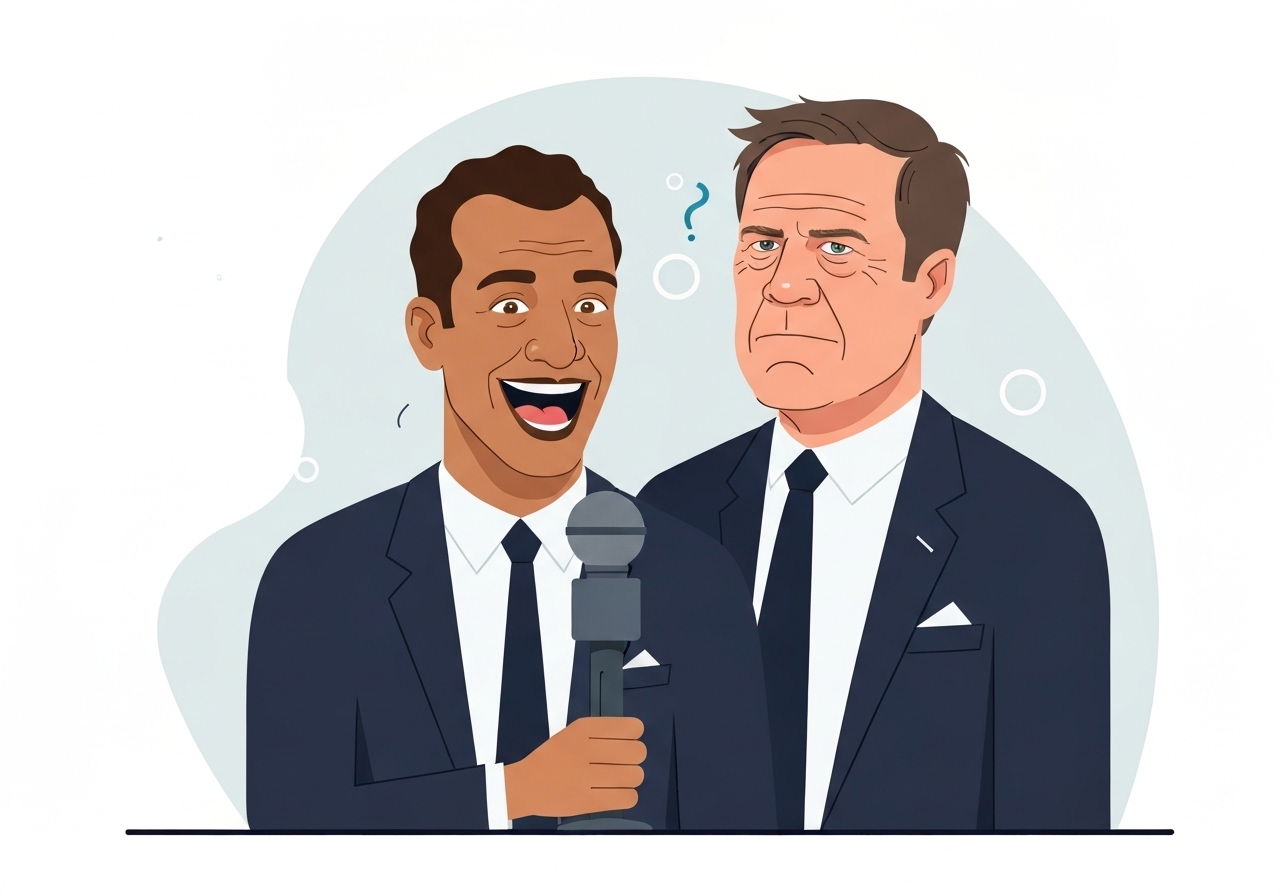
Broncos coach Sean Payton said on Wednesday he misses seeing Bill Belichick in the NFL and is “somewhat hopeful” the longtime coach might return. Belichick is a finalist for the Pro Football Hall of Fame, but his path back to an NFL sideline appears uncertain despite a modest reported buyout of $1 million. The debate centers on whether teams will tolerate the distractions, organizational control issues and mixed results that marked his recent years. The discussion highlights a striking paradox: Hall of Fame induction feels likelier than a prompt rehiring.
Key Takeaways
- Sean Payton publicly said he misses Belichick in the league and would be “somewhat hopeful” the coach returns, speaking to reporters on Wednesday.
- Bill Belichick is a finalist for the Pro Football Hall of Fame, a recognition most observers consider overdue.
- Belichick’s contractual buyout is reported at approximately $1 million, a small figure for NFL ownership groups.
- Concerns about rehiring include late-career organizational choices in New England and alleged attempts to control entire football operations.
- His 2025 stint at North Carolina and associated results are cited as complicating factors for prospective employers.
- While 31 franchises could decline to hire him, the article notes it would only take one team to break the logjam.
- For struggling pro teams, Belichick could still represent an upgrade over existing alternatives despite reputational baggage.
Background
Bill Belichick built a coaching résumé that places him among the most successful in NFL history, and his nomination as a Hall of Fame finalist reflects that record. For more than two decades in New England he assembled championship teams and a culture that many organizations still study. Yet his later seasons included controversial structural decisions inside the Patriots’ staff that drew scrutiny and frustrated some league observers. After leaving New England, Belichick accepted a role at North Carolina in 2025; that tenure and its results have been discussed as part of the calculus teams would use evaluating him for another pro job.
Coaching hires in the NFL hinge on more than Xs and Os: ownership tolerance for personality, preferences about organizational control, and the optics of high-profile appointments all matter. Modern front offices often prefer candidates who will accept clearly defined reporting lines rather than assume broad authority over personnel. The cost to acquire Belichick—reportedly near $1 million—reduces one obvious financial barrier, but it does not erase concerns about distraction or fit. Against that backdrop, voices inside the league are split between nostalgia for his expertise and caution about legacy-related baggage.
Main Event
The immediate provocation for the renewed conversation was Sean Payton’s public comments on Wednesday, when the Broncos coach said he misses seeing Belichick in the league and would not be surprised if the veteran coach returned. Payton framed his remarks as admiration for what Belichick brought to the game, suggesting a leaguewide benefit if he rejoined professional ranks. The comment came as observers were already debating whether Belichick’s standing as a Hall of Fame finalist translates into renewed employability.
Reporters and analysts quickly pointed to practical hurdles: a history of contentious staffing choices in New England, questions about how Belichick and close associates have publicly handled past disputes, and the uncertain outcomes of his 2025 college effort. Those factors, combined with concerns that he prefers to oversee entire football operations rather than serve solely as head coach, complicate the hiring picture. Teams without recent success may weigh those trade-offs differently than clubs with stable leadership and playoff expectations.
Despite skeptical commentary, the economic and transactional barrier to hiring is small: the buyout figure often cited is roughly $1 million, an amount many NFL owners could absorb. That narrow financial threshold means the decision is chiefly reputational and structural rather than fiscal. League insiders note that in a hiring market, a single franchise willing to accommodate Belichick’s preferred governance model could make an offer that changes the conversation across the sport.
Analysis & Implications
Belichick’s situation underscores a broader shift in NFL hiring philosophy. Over recent years, general managers and ownership groups have favored collaborative front-office models where power is distributed among clearly delineated roles. A candidate perceived as seeking unchecked authority complicates those models and raises the transaction costs of integration. Even for a coach with Belichick’s résumé, the modern preference for separation between coaching and personnel decision-making creates friction.
Public perception and media framing also matter more than ever. High-profile hires bring intense scrutiny from fans, sponsors and local markets; teams must judge whether potential on-field upside outweighs short-term distraction. For organizations in turnaround mode, the calculus may tilt toward accepting controversy if it promises immediate performance gains. For stable franchises, the reputational risk of appointing a polarizing figure can exceed perceived benefits.
Domestically and internationally, a Belichick return would generate substantial attention and possibly shift competitive dynamics, at least initially. Opponents would prepare for his schemes and adjustments, while his presence could influence free-agent interest and staff hiring. Yet the longer-term effect on organizational culture would depend on whether ownership constrains his remit or grants him full operational control—two different outcomes that produce distinct franchise trajectories.
Comparison & Data
| Item | Reported/Context |
|---|---|
| Hall of Fame status | Finalist (Pro Football Hall of Fame) |
| Estimated buyout | ~$1,000,000 |
| College return | Coached North Carolina, 2025 (performance noted as a factor) |
| League hiring dynamic | 31 teams could decline; one team could hire |
The table summarizes the concrete data points anchoring the debate. Those figures show that the financial barrier is comparatively small, while reputational and structural concerns carry the most weight. Teams evaluating Belichick would thus trade off a modest transactional cost against larger governance and public-relations considerations.
Reactions & Quotes
Broncos coach Sean Payton’s comments were the immediate catalyst for renewed speculation and were widely reported across the league press.
“I miss him not being in the league.”
Sean Payton, Denver Broncos (head coach)
Commentary from media analysts framed the Hall of Fame question as separate from hiring viability, noting Belichick’s clear case for Canton even as teams weigh other factors.
“He should automatically gain entry.”
NBC Sports (media analysis)
Observers also pointed to the practical reality that only one franchise needs to say yes for Belichick to return, a dynamic that keeps the possibility alive despite widespread reservations.
“It only takes one to whisper, ‘Why not?'”
NBC Sports (media observation)
Unconfirmed
- No public, verifiable offers from any NFL team to Belichick have been confirmed at the time of reporting.
- The precise internal conversations between Belichick, his advisers and potential hiring franchises remain private and unverified.
- Specifics about how Belichick would seek to structure operational control in a new role have not been publicly agreed or disclosed.
- Attribution of personal friction involving named advisers is reported in commentary but lacks independent public documentation of private exchanges.
Bottom Line
The debate over a Belichick return encapsulates a tension between historical achievement and contemporary organizational fit. While his Hall of Fame case is widely regarded as strong, that recognition does not automatically translate into readiness or desirability as an NFL head coach today. Teams must weigh small financial hurdles against larger considerations about control, distraction and long-term culture.
Practically, the path back to the NFL is narrow but not closed: one franchise willing to accept the trade-offs could end speculation quickly. For the rest of the league, the conversation is a reminder that pedigree and reputation interact with modern front-office structures in complex ways; the next chapter in Belichick’s career will depend as much on those structural negotiations as on his tactical acumen.
Sources
- NBC Sports — media analysis and reporting