
Lead
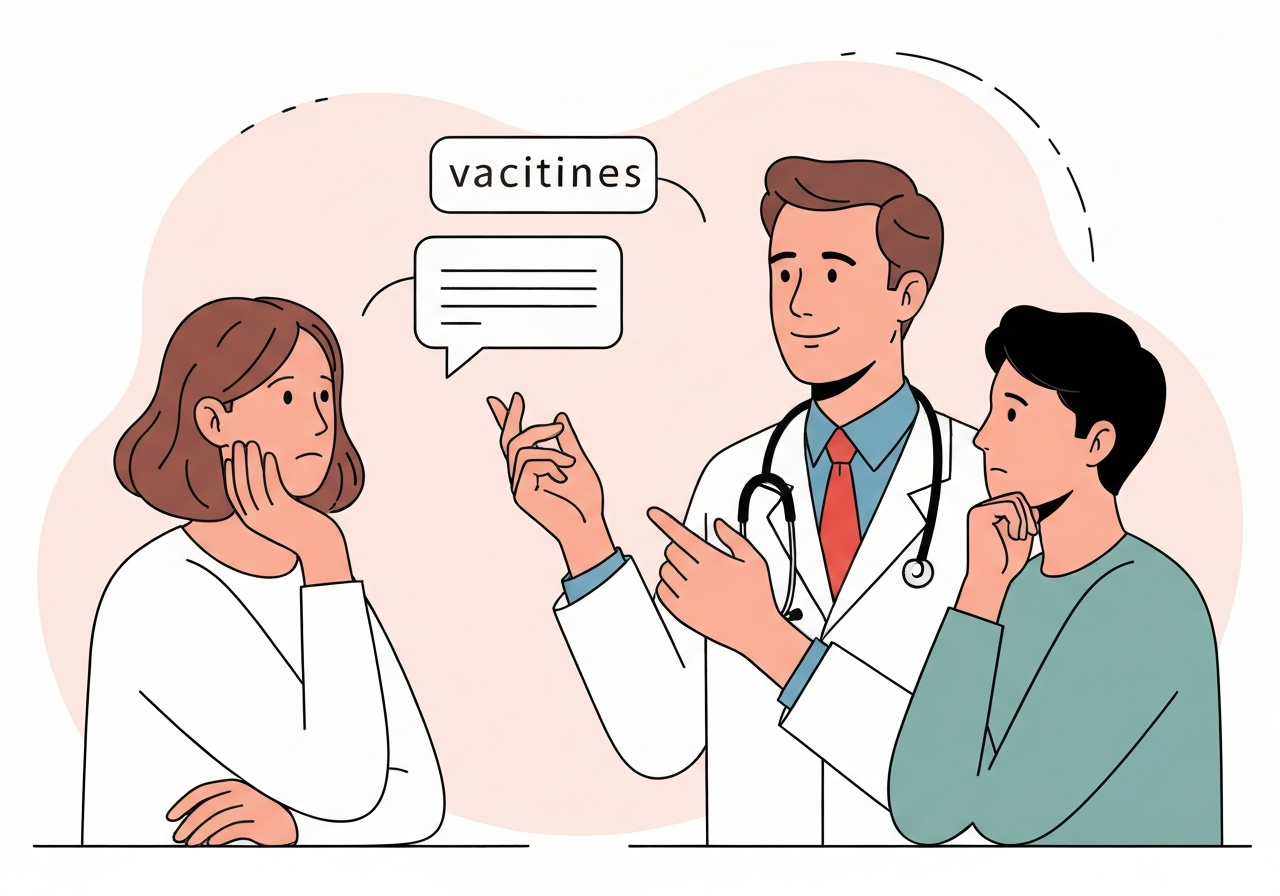
On March 11, 2026, at a community clinic in Ashland, Ky., pediatric nurse practitioner Alissa Parker spoke with the parents of 11-day-old Asher about an RSV shot and routine immunizations. The visit, Asher’s eighth-family appointment that morning, ended without agreement: the parents had already declined hepatitis B at birth and said they would refuse other childhood vaccines. Across the United States, clinicians report more frequent, more entrenched hesitancy from parents, forcing pediatric teams to balance public-health priorities with relationship-based counseling.
Key Takeaways
- March 11, 2026 — At Primary Plus in Ashland, Ky., Alissa Parker (a pediatric nurse practitioner with a DNP) raised the topic of an RSV protective shot during a checkup for 11-day-old Asher; the parents declined further vaccination.
- Asher was Parker’s eighth patient that day; another clinic image showed Parker with 16-month-old Cassidy and her parent, highlighting routine-care settings where these conversations occur.
- Asher’s parents, Autumn and James Skaggs, declined the hepatitis B vaccine at birth and said they planned to refuse all other routine childhood immunizations, reflecting a pattern clinicians say is increasing.
- Pediatric clinicians nationwide report a marked rise in vaccine hesitancy and mistrust since the Covid-19 pandemic, which many say energized anti-vaccine networks and increased hostility toward medical authorities.
- Front-line providers describe a shift from occasional skepticism to persistent refusal, requiring more counseling time and contributing to clinic workload and emotional strain.
Background
Vaccination hesitancy in the U.S. has evolved from a marginal position into a more visible and organized phenomenon. Before the Covid-19 era, most parents accepted routine childhood schedules recommended by public-health authorities; pockets of refusal existed but were relatively contained. The Covid-19 pandemic — its rapid vaccine rollout, emergency measures, and public debates over mandates — accelerated distrust for some families and lent broader reach and resources to anti-vaccine advocacy.
Primary-care settings are the frontline for these shifts. Pediatricians, nurse practitioners and clinic staff who provide well-child visits report longer conversations and more frequent refusals. Those clinicians must weigh competing duties: protect population health through immunization while preserving the therapeutic relationship that keeps families engaged in care. That balance influences whether families return for other services, follow growth and developmental recommendations, or seek care elsewhere.
Main Event
At Primary Plus, Parker began a routine newborn visit by checking Asher’s sleep, umbilical stump and a mild diaper rash, then moved to prevention: an option to protect against respiratory syncytial virus. The parents responded that they had chosen not to vaccinate at birth and intended to decline future shots. Parker offered information and an invitation to revisit the topic but did not press, describing a counseling approach driven by respect and practicality.
Clinicians across multiple practices describe similar encounters: brief, factual explanations followed by an offer to continue dialogue. Many providers say they have shifted tactics from persuasion to harm-reduction — focusing on the highest-impact interventions and keeping lines of communication open for future visits. That shift is partly pragmatic: repeated, confrontational messaging can close off contact and reduce opportunities to protect children in other ways.
The increase in refusal also reshapes clinic workflows. Appointments extend longer when vaccination hesitancy is present; staff must allocate time for counseling and documentation. Some practices report patients leaving their panels after persistent disagreement, while others adopt policies to manage care for families that decline vaccines. Those operational choices carry consequences for access and continuity of care in communities already stretched for pediatric services.
Analysis & Implications
Rising parental refusal of routine immunizations carries clear public-health risks. Lower coverage among infants and young children increases the probability of outbreaks of vaccine-preventable diseases, particularly in communities with clustered refusals. The clinical consequence is not only individual vulnerability but erosion of herd protection for children too young or medically unable to be vaccinated.
Beyond epidemiology, the trend has workforce implications. Pediatric clinicians face moral and emotional strain when care decisions by families diverge sharply from evidence-based guidance. Repeated, unresolved refusals may contribute to burnout and influence whether clinicians remain in primary pediatric care or seek different roles. That dynamic affects access to pediatric services, especially in regions with limited provider capacity.
Policy responses are complicated. Strengthening public education, countering misinformation online, and investing in provider communication training are widely recommended, but each has limits. Mandates and legal measures provoke political pushback and can entrench mistrust. Practical approaches that retain families in care — emphasizing empathy, evidence, and incremental goals — may offer better short-term protection for children while broader efforts rebuild public confidence.
Comparison & Data
| Item | Example from Clinic |
|---|---|
| Patient age | Asher, 11 days |
| Visit order | Eighth patient of the day (clinic visit) |
| Observed refusal | Hepatitis B declined at birth; plans to refuse routine vaccines |
These clinic-level details illustrate how hesitancy appears in routine appointments. National surveillance and peer-reviewed studies track coverage and hesitancy trends; translating those population metrics into individual encounters explains why clinicians report longer visits and an emphasis on relationship maintenance over direct persuasion.
Reactions & Quotes
“If there’s any way I can answer your questions and make you feel more comfortable about it, I’m happy to.”
Alissa Parker, pediatric nurse practitioner, Primary Plus (clinic)
That sentence captures a common counseling stance: open, noncoercive, and aimed at preserving dialogue. Clinicians use variants of this approach to keep care relationships intact even when families decline recommended interventions.
“We decided not to start vaccines at birth and will pass on the routine shots for now.”
Autumn and James Skaggs (parents of newborn Asher)
Parents who decline vaccines often describe safety concerns, distrust of institutions, or a desire to follow alternate health philosophies. Providers must address these motives while protecting children’s immediate health needs.
“The pandemic amplified misinformation and created new challenges for trusted medical advice to reach families.”
Public-health observer (summary of expert assessments)
Public-health experts and professional societies summarize that the Covid-19 period widened the audience for vaccine skepticism and complicated routine preventive care conversations.
Unconfirmed
- Claims that current vaccine formulations cause widespread, long-term chronic illnesses remain unsupported by robust scientific evidence and are not confirmed.
- Attributions that a single social-media campaign is solely responsible for the nationwide rise in hesitancy are not verified; multiple factors interact.
Bottom Line
Pediatric clinicians are increasingly encountering sustained vaccine refusal in routine visits, a shift that began before Covid-19 but intensified during and after the pandemic. The immediate clinical response emphasizes respectful counseling and harm reduction to protect children while striving to keep families engaged in care.
Policy and practice solutions must operate on two tracks: preserve and improve individual clinician-family communication to safeguard children now, and invest in broader efforts—education, trusted messengers, and online misinformation mitigation—to rebuild confidence in vaccination over the longer term.