
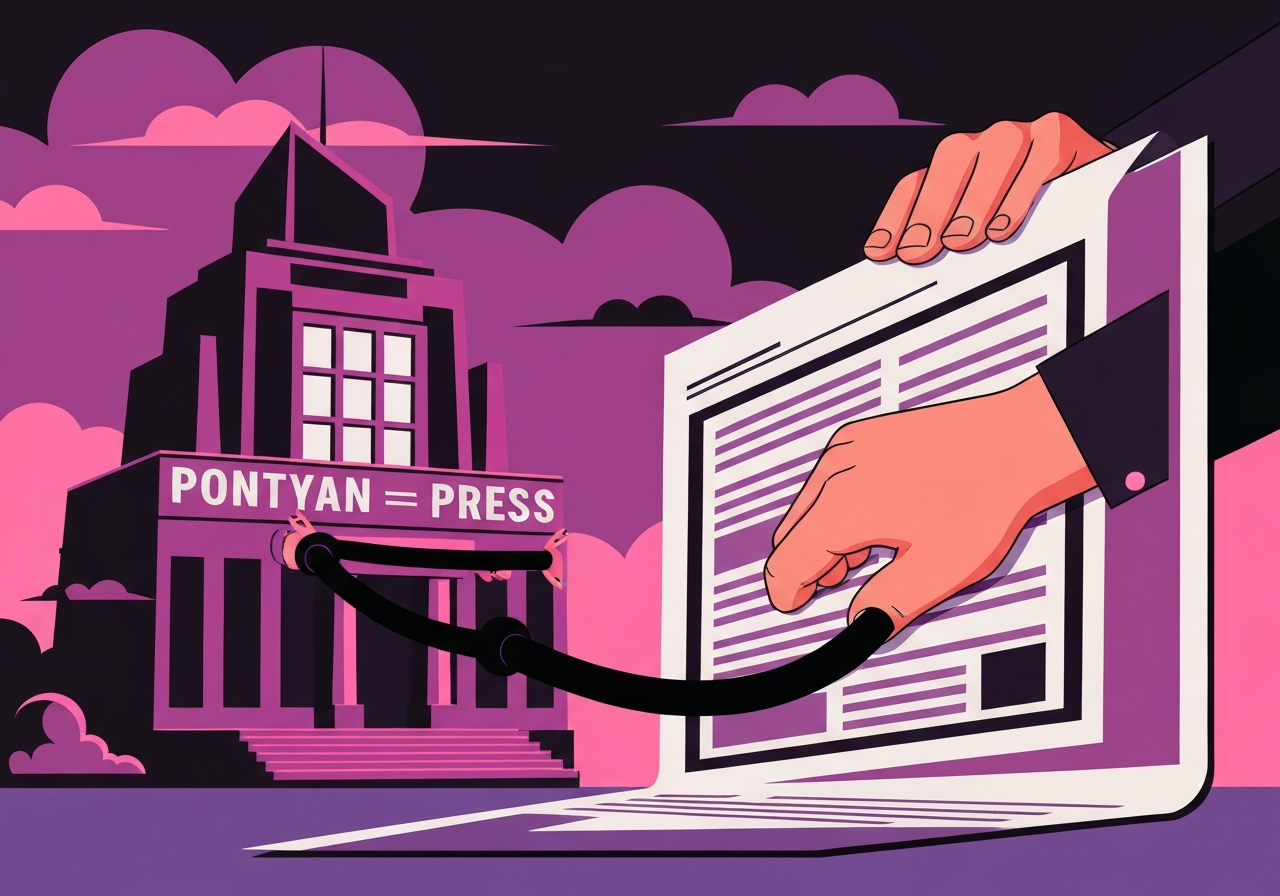
In the wake of a federal judge’s ruling this month, the Pentagon announced on March 23, 2026, that it will relocate the longtime newsroom for credentialed reporters and require escorts for those granted physical access to the main building. The department said it will also revise the language in the credentialing agreements to clarify prohibited activities, while appealing the court’s decision that found key portions of its prior media policy unconstitutional. The changes come after months of stepped-up limits on reporters inside the complex and a controversial October rule that allowed the department to label journalists “security risks” and revoke passes.
Key Takeaways
- The Pentagon announced on March 23, 2026, it will close the internal work area used by credentialed journalists and open a press space in an annex outside the main Pentagon building.
- All journalists seeking physical access will now require an escort; the department says this measure implements the court ruling while preserving security.
- Senior Pentagon spokesman Sean Parnell circulated the memo to leadership outlining the move and revised credential language to define prohibited conduct more explicitly.
- In October 2025 the department adopted a policy allowing it to designate reporters “security risks” and revoke credentials; many Times reporters surrendered passes then and covered the Pentagon from outside.
- The department intends to appeal the federal judge’s ruling that deemed major parts of the earlier media policy unconstitutional.
- Officials previously curtailed unescorted roaming and removed several news organizations’ on-site workstations; the press corps composition shifted afterward.
Background
The dispute traces back to October 2025, when the Defense Department formalized a policy giving officials broad authority to restrict access and rescind press credentials for conduct it deemed a national security threat. That policy followed months of incremental access limits, including curbed roaming privileges inside the Pentagon complex and the removal of some organizations’ workstations.
News organizations challenged the policy in court, arguing it impermissibly restricted press freedoms. The suit, brought by The New York Times and joined by other outlets, led to a federal judge concluding that significant portions of the policy violated constitutional protections. Pentagon leaders have framed their rules as necessary for security; press advocates and some journalists view them as overbroad and chilling.
Main Event
On March 23, 2026, the Pentagon announced operational steps in response to the ruling: the interior workspace used by accredited reporters will close and a new press area will be established in an annex outside the main Pentagon building. Sean Parnell, the department’s chief spokesman, detailed the changes in a memo to senior leadership and described revisions to the credentialing documents meant to address judicial concerns.
The department said escorts will be required for any journalist granted physical access to Pentagon facilities. Pentagon officials stated the escort requirement is a security measure aligned with the court’s decision; civil liberties groups counter that it could hinder spontaneous reporting and reduce independent oversight of military activities.
Pentagon officials also signaled they will pursue an appeal, asserting that their intent is to comply with the court’s order “without conceding the validity of the court’s analysis.” The department emphasized that revisions to definitions of prohibited activities aim to make the rules more specific and legally defensible while preserving operational security.
Analysis & Implications
The relocation of the press workspace from inside the Pentagon to an external annex changes both practical access and the rhythms of coverage. Reporters accustomed to immediate proximity for briefings and informal interactions with military officials will face logistical friction that can slow reporting and reduce the frequency of spontaneous, on-the-record exchanges.
Requiring escorts introduces a layer of gatekeeping that may constrain what reporters can observe independently. Even if escorts are intended to balance access and security, the policy can alter the dynamics of sourcing: officials may be less candid when accompanied, and journalists may have fewer opportunistic encounters with service members and staff that often produce reporting leads.
Politically, the move follows a pattern under the current defense leadership of tighter media controls. Defense Secretary Pete Hegseth, who assumed office in 2025, has had an adversarial posture toward some outlets, including a prior proposal to deny an NBC reporter access and the removal of on-site workstations for multiple organizations. This history suggests the department’s operational choices are as much about institutional control of information as about discrete security concerns.
At the legal level, the appeal will test how courts balance national security claims against First Amendment protections in a high-security environment. A narrow win for the Pentagon on appeal could restore some authority to set conduct-based limits; an affirmation of the lower court’s decision would reinforce judicial scrutiny of broadly worded restrictions on press access to government facilities.
Comparison & Data
| Measure | Before Oct 2025 | After Oct 2025 / Mar 23, 2026 |
|---|---|---|
| Press workspace location | Inside main Pentagon building | Annex outside main building (closing announced Mar 23, 2026) |
| Unescorted access | Allowed for many credentialed reporters | Curtailed or removed; escorts now required |
| Policy on designating “security risks” | No formal October rule | October 2025 rule authorized such designations |
The table summarizes key operational changes. While the department frames adjustments as narrow and security-driven, the cumulative effect is a substantive reduction in proximity and autonomy for reporters covering the Defense Department.
Reactions & Quotes
The department’s memo and actions prompted swift responses from journalists and press-rights groups. Below are representative statements and context.
“We will comply with the court’s order while protecting personnel and classified information.”
Sean Parnell, Pentagon chief spokesman (memo to senior leadership)
Parnell’s statement, circulated internally and summarized publicly by Pentagon officials, framed the move as both a legal accommodation and a security necessity.
“These steps further limit reporters’ ability to independently monitor the military and create reporting obstacles that chill coverage.”
Press freedom advocate (statement)
Press-rights groups argued that requiring escorts and moving the workspace will reduce independent scrutiny and make routine access more burdensome for newsrooms.
“After October, many of our journalists surrendered passes and shifted coverage outside the complex. This change will not restore the kind of day-to-day interaction that reporters relied on.”
Representative of The New York Times reporting team
The Times team reference recalls the October 2025 decision by some reporters to turn in credentials rather than sign the new policy that allowed designation of “security risks.”
Unconfirmed
- Specific operational details for the new annex (precise location, size, seating capacity) were not publicly available at the time of the announcement and remain unconfirmed.
- The exact legal arguments planned for the Pentagon’s appeal have not been filed publicly; the department has signaled an intention to appeal but filing details and timelines are pending.
Bottom Line
The Pentagon’s March 23, 2026, operational changes mark a notable contraction of on-site reporter access: moving the workspace offsite and mandating escorts will materially change how military coverage is gathered. Officials present the measures as narrowly tailored for security and responsive to the court’s finding; press groups see them as constraining independent oversight.
How the appeal fares and how the department implements the new credential language will determine whether these steps become a durable model for managing press access to sensitive government facilities. For journalists and newsrooms, the immediate effect will be logistical barriers and potentially fewer spontaneous interactions that have historically informed day-to-day reporting on defense matters.
Sources
- The New York Times (major newspaper; original report and legal challenge coverage)
- U.S. Department of Defense (official statements and spokesman memos)
- Press freedom advocacy statements (civil liberties/press-rights commentary)