
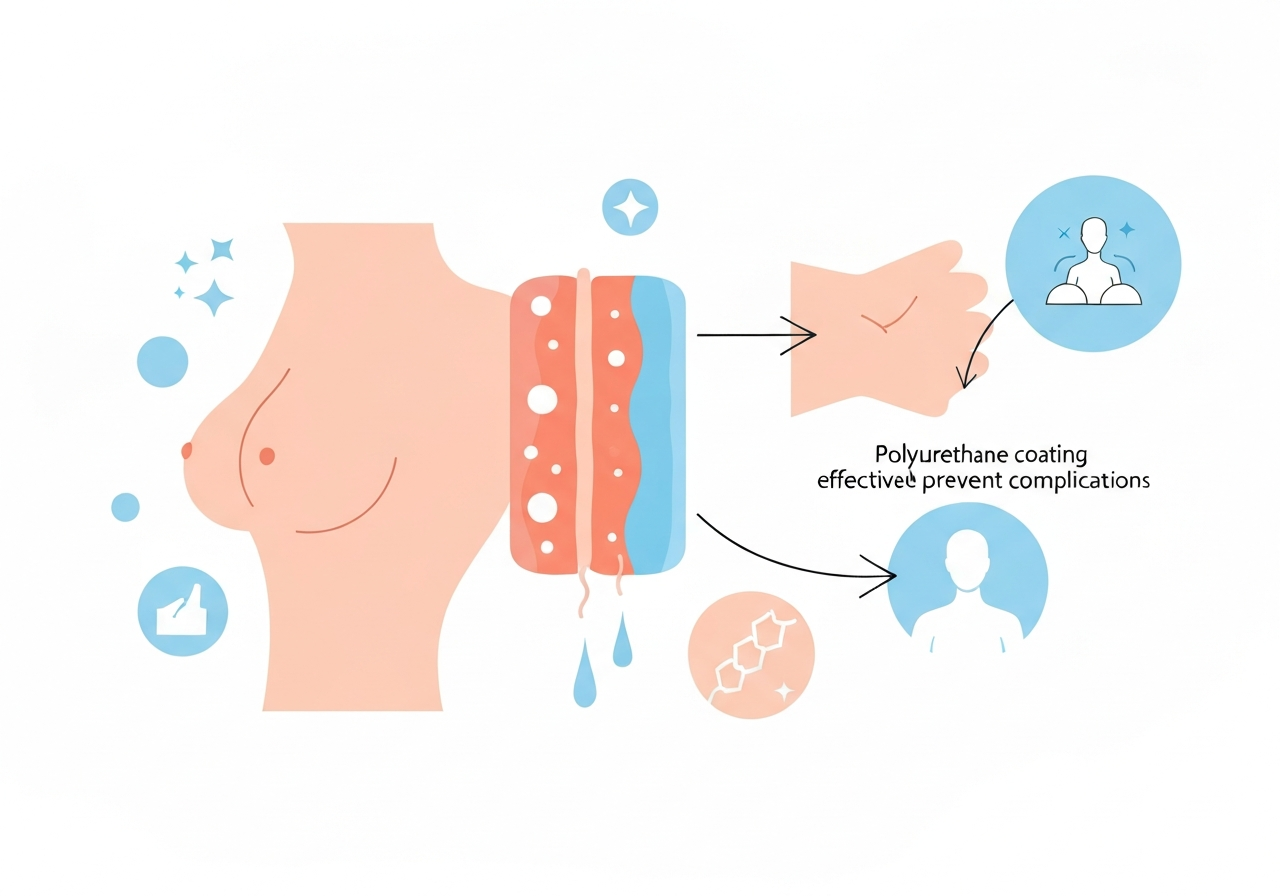
Lead: A multicountry study presented at the European Breast Cancer Conference in Barcelona reports that women who received polyurethane-coated breast implants after mastectomy and subsequent radiotherapy experienced fewer complications than those with standard silicone implants. The research tracked roughly 1,500 patients treated between 2016 and 2024 across 15 countries, following outcomes for about two-and-a-half to three years. Investigators found a notably lower rate of capsular contracture and reduced need for secondary procedures in the polyurethane group. The findings aim to inform implant choice for patients likely to require postoperative radiotherapy.
Key takeaways
- Study population: About 1,500 women in 15 countries treated from 2016–2024 underwent mastectomy, implant reconstruction and later radiotherapy.
- Implant distribution: Approximately one-third received polyurethane-coated implants; just under 1,000 received standard implants.
- Follow-up duration: Patients were observed for roughly 2.5–3 years after reconstruction and radiotherapy.
- Capsular contracture rates: 32.8% in the polyurethane-coated group versus 47.5% in the standard-implant group.
- Secondary outcomes: Polyurethane-coated implants were associated with fewer secondary surgeries to address scar tissue and a lower incidence of major breast infection (exact rates not reported in preliminary data).
- Presentation: Preliminary results were presented at the European Breast Cancer Conference in Barcelona in 2026.
- Clinical implication: Implant surface appears to influence postoperative complication risk after radiotherapy, with potential to guide reconstructive planning.
Background
Each year around 55,000 women in the UK are diagnosed with breast cancer, and about 30% undergo mastectomy; many of these patients then receive radiotherapy. Reconstructive surgery with implants is a common option, but radiotherapy is a well-established risk factor for later complications, notably capsular contracture, where fibrous scar tissue tightens around the implant and causes pain, distortion and sometimes implant loss.
Implant surfaces vary: standard implants have smooth or textured silicone shells, while polyurethane-coated implants have a spongy outer polyurethane layer bonded to silicone. Historically, smaller trials and device registries suggested differences in outcomes by surface type, but robust, real-world multicountry data comparing outcomes specifically after post-mastectomy radiotherapy have been limited.
Main event
European investigators pooled data on roughly 1,500 women treated between 2016 and 2024 who underwent mastectomy followed by implant reconstruction and subsequent radiotherapy. The cohort spanned 15 countries and included both polyurethane-coated and standard silicone implants; about one-third of patients received the polyurethane-coated devices. Researchers followed clinical outcomes for approximately two-and-a-half to three years after reconstruction.
Primary outcome measures focused on capsular contracture and the need for further surgery to correct implant-related problems. The team reported a capsular contracture incidence of 32.8% in the polyurethane-coated group compared with 47.5% in the standard-implant group, a statistically and clinically meaningful difference in this preliminary analysis. Investigators also recorded secondary surgeries and major breast infections, both of which were less frequent among patients with polyurethane-coated implants in the reported dataset.
Presenters emphasized the real-world nature of the data: patients came from varied healthcare settings and received routine oncologic and reconstructive care, which strengthens generalisability compared with single-centre trials. The study was presented at the European Breast Cancer Conference in Barcelona in 2026, where researchers described the results as preliminary and called for longer follow-up and confirmatory analyses.
Analysis & implications
The difference in capsular contracture rates—roughly a 14.7 percentage-point absolute reduction—suggests the implant surface can materially affect tissue response after radiotherapy. Capsular contracture is a key driver of pain, aesthetic dissatisfaction and additional surgery; reducing its incidence has direct implications for patient quality of life and healthcare resources.
For clinicians, the findings support considering implant surface when planning reconstruction for patients likely to need radiotherapy. Selection involves balancing risks and benefits: polyurethane-coated implants may reduce scarring but have their own device-specific profiles and long-term performance needs to be clarified. Shared decision-making should incorporate these emerging comparative data alongside patient values and oncologic considerations.
Health systems should note potential downstream effects: fewer secondary operations would lower procedural costs and reduce the physical and psychological burden on patients. Payers and guideline developers may look for larger confirmatory studies and cost-effectiveness analyses before recommending wholesale changes to implant procurement or reimbursement policies.
Comparison & data
| Implant type | Capsular contracture rate (follow-up ~2.5–3 yrs) |
|---|---|
| Polyurethane-coated | 32.8% |
| Standard silicone | 47.5% |
The table highlights a substantial relative reduction in contracture for polyurethane-coated implants. While the study reports fewer secondary surgeries and major infections in the polyurethane group, the preliminary report did not publish exact comparative percentages for these secondary endpoints; further data release is needed to quantify those benefits precisely.
Reactions & quotes
Study leaders and patient advocates highlighted the potential clinical value of the findings while urging cautious interpretation pending longer follow-up and peer-reviewed publication.
“Our study suggests that women who received polyurethane-coated implants experienced far fewer problems after radiotherapy than those who received standard implants.”
Dr Kerstin Wimmer, Medical University of Vienna (study presenter)
Dr Wimmer framed the result as evidence that implant selection can influence post-radiotherapy outcomes and said the data should inform reconstructive planning for patients expected to undergo radiotherapy.
“Evidence like this helps guide implant selection and treatment planning to minimise long-term side effects and improve recovery.”
Prof Isabel Rubio, Clínica Universidad de Navarra
Prof Rubio emphasized patient-centred objectives—comfort, appearance and quality of life—arguing that device choice matters as oncology care becomes more tailored.
“Comparing implant compatibility with radiotherapy is extremely important to help women make more informed, personalised choices.”
Catherine Priestley, Breast Cancer Now (senior clinical nurse specialist)
Advocacy groups underlined the emotional and physical cost of repeat procedures and welcomed research that could reduce additional interventions.
Unconfirmed
- Long-term durability beyond the 2.5–3 year follow-up window remains unreported; durability and late complications could alter the risk–benefit calculation.
- Exact numerical reductions in secondary surgery and major infections were not provided in the preliminary presentation and require full data release for verification.
- Whether results generalise across all patient subgroups (age, comorbidity, implant positioning) has not been fully stratified in the preliminary report.
Bottom line
This multicountry observational analysis indicates that polyurethane-coated breast implants were associated with a substantially lower rate of capsular contracture after mastectomy and radiotherapy compared with standard silicone implants, with a reported 32.8% versus 47.5% incidence at roughly 2.5–3 years. If confirmed in peer-reviewed publications and longer follow-up, these findings could change how surgeons and patients make implant choices when radiotherapy is expected.
Clinicians should consider these results as emerging evidence rather than definitive guidance: device choice should remain personalised, balancing oncologic needs, patient preferences and device characteristics. Policy-makers and professional bodies will likely await full analyses, subgroup data and cost-effectiveness assessments before recommending wide changes to practice or procurement.
Sources
- The Guardian — media report of the conference presentation
- Medical University of Vienna — institutional affiliation of lead presenter (academic/clinical)
- Breast Cancer Now — patient charity commentary (charity/advocacy)
- Clínica Universidad de Navarra — academic clinical comment (academic/clinical)
- Association of Breast Surgery — professional society reaction (professional body)