
Lead
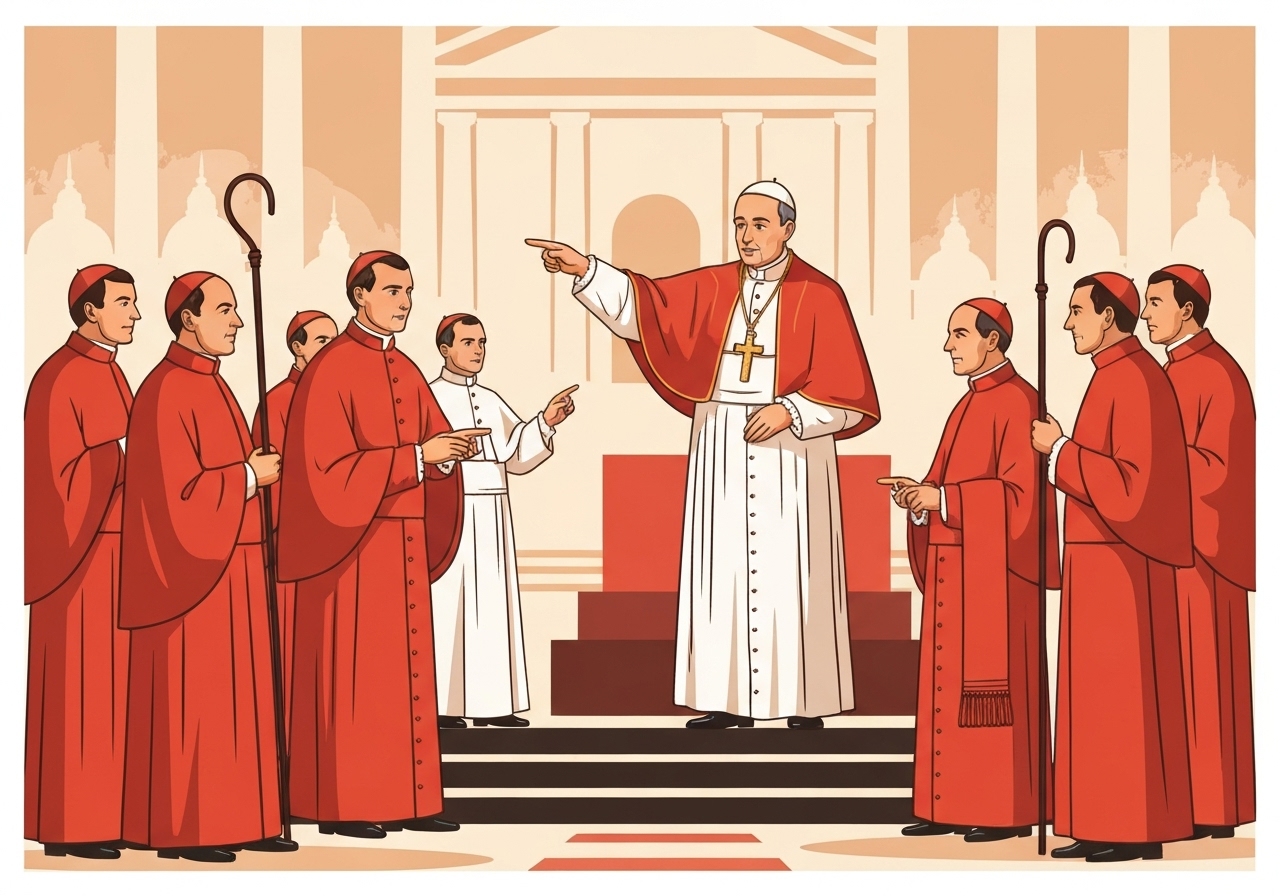
Pope Leo XIV has invited every cardinal in the global Catholic hierarchy to Rome for a two‑day consistory on Jan. 7–8, 2026, immediately after the Jan. 6 close of the 2025 Holy Year. The Vatican framed the meeting as a consultative session to advise the pope on governing the universal Church. The timing follows Leo’s May 8 election as the first American pope and comes after months in which his schedule was dominated by Jubilee duties. Vatican officials said there will be no new cardinal creations at this gathering; its purpose is deliberation and counsel.
Key Takeaways
- Pope Leo XIV has summoned all cardinals to Rome for a consistory on Jan. 7–8, 2026, following the Jan. 6 end of the 2025 Holy Year.
- The gathering is consultative only: the Vatican has confirmed there will be no elevations of new cardinals at this meeting.
- Leo was elected on May 8, 2025, and is the first pope from the United States.
- During his early months the pope focused on Jubilee audiences and Masses tied to the once‑in‑25‑years Holy Year obligations.
- Pope Francis had previously preferred a small circle of eight‑to‑nine cardinals as advisers rather than broad consistories; Leo’s full‑college convocation marks a procedural shift.
- The Vatican described the event as aimed at shared discernment and furnishing the pope with guidance on governing the universal Church.
- The consistory’s timing—immediately after the Jubilee—signals the start of a transition from ceremonial duties to policy formation under Leo’s leadership.
Background
The consistory is one of the oldest institutional mechanisms by which popes consult the College of Cardinals. Historically, consistories range from formal ceremonies to advisory meetings; some include the creation of new cardinals, others are convened to deliberate complex questions facing the Church. Pope Francis, Leo’s predecessor, often relied on a much smaller advisory circle—typically eight or nine trusted cardinals—for governance and reform efforts, reducing the frequency of full‑college consultative sessions.
Leo’s election on May 8, 2025, followed a conclave that produced the first American pontiff in the Church’s two‑millennium history. The early months of his pontificate coincided with the 2025 Jubilee, a major liturgical and pastoral program that required a dense schedule of audiences, pilgrim encounters and special liturgies. Vatican officials say completing those public responsibilities delayed the pope’s ability to convene a broader consultative meeting focused on agenda setting and governance.
Main Event
The Vatican announced on Saturday that cardinals from around the world will assemble on Jan. 7–8, 2026, in Rome. The schedule positions the consistory immediately after the formal close of the Holy Year on Jan. 6, allowing Leo to complete Jubilee commitments before shifting attention to internal governance. According to the announcement, the meeting’s sole purpose is consultative: there will be no public acts of installing new cardinals or other ceremonial business tied to promotions.
At stake is how Leo intends to organize decision‑making at the top levels of the Church. The full attendance of the world’s cardinals underlines a desire—at least ceremonially—for broader participation in advising the pope. Vatican messaging emphasized collective discernment and offering counsel to the Holy Father in his high responsibility to govern the universal Church, language that frames the consistory as a listening and advisory forum.
The shift is notable because it contrasts with Pope Francis’ recent governance style, which leaned heavily on a compact advisory group for policy discussions and reform proposals. Observers note that summoning the entire college of cardinals restores a more traditional, plenary consultative practice and offers Leo an initial, structured opportunity to test themes and priorities before announcing major initiatives.
Analysis & Implications
Institutionally, convening all cardinals sends a signal about process as much as policy. For decades, the consistory has functioned both as a governance instrument and as a forum for sensing priorities across diverse episcopal regions. For Leo, using the consistory early in his pontificate could help build consensus for administrative reforms or liturgical emphases and provide a broad political map of competing priorities within the global Church.
Politically, the meeting affords foreign‑born cardinals—especially those from the Global South and Europe—an equal platform to address Rome directly. That inclusiveness may temper unilateral moves and allow Leo to identify potential allies and opponents across the College. It also gives the pope a chance to calibrate personnel choices and committee assignments without immediately resorting to the smaller, less transparent advisory model favored by his predecessor.
From a pastoral angle, the timing after the Jubilee underlines a transition from outward, public ministry toward inward governance. The consistory offers an opportunity to translate momentum from the Holy Year into concrete pastoral and administrative priorities. Economically, decisions about Vatican governance, curial reform or diocesan oversight can have downstream effects on budgets, charitable distributions and the management of Vatican assets—areas where cardinals often advocate for regional interests.
Comparison & Data
| Item | Pope Francis Practice | Pope Leo XIV Approach |
|---|---|---|
| Advisory Format | Small circle of 8–9 hand‑picked cardinals | Full College consistory called for Jan. 7–8, 2026 |
| Consistory Purpose | Occasional, often limited | Consultation and common discernment (no creations) |
| Recent Relevant Dates | Francis era reforms (2013–2023) | Leo elected May 8, 2025; consistory Jan. 7–8, 2026 |
The table highlights procedural differences rather than immediate policy outcomes. While the number of advisers is a clear procedural divergence, the substance of any reforms or personnel shifts will depend on post‑consistory follow‑up and formal acts that may come months later.
Reactions & Quotes
Vatican officials framed the meeting as a consultative encounter intended to help the pope in governance decisions; the language used in public messaging stressed collective discernment and counsel.
“The meeting is intended to help the pope gather counsel and discernment from the global college of cardinals.”
Vatican Press Office (paraphrase)
Independent analysts said the convocation restores a traditional consultative channel and may indicate Leo’s preference for wider deliberation on key matters.
“Calling every cardinal back to Rome suggests a desire for broader input before moving to concrete reforms or appointments.”
Independent church analyst (paraphrase)
Among pilgrims and observers present for Jubilee events, reactions ranged from cautious optimism about collegial governance to calls for clear timelines on reform and appointments.
“People here hope the meeting leads to clarity on priorities rather than mere talk.”
Pilgrim at St. Peter’s (on‑site comment)
Unconfirmed
- Whether the Jan. 7–8 agenda will include specific proposals for curial restructuring remains unconfirmed pending the consistory’s internal discussions.
- It is not confirmed which cardinals will take leading roles in post‑consistory committees or whether Leo will announce personnel changes immediately afterwards.
- Any concrete timetable for doctrinal or disciplinary reforms discussed at the meeting has not been publicly released.
Bottom Line
The January consistory marks a procedural turning point in Pope Leo XIV’s early pontificate: after completing Jubilee obligations, he is convening the full College of Cardinals to gather counsel and begin shaping his governing agenda. By summoning all cardinals rather than relying solely on a small advisory circle, Leo is signaling a willingness to use traditional, plenary mechanisms of consultation.
Substantive outcomes will depend on follow‑up actions after the meeting—appointments, committee mandates and published decisions will reveal whether this consistory was the start of a collegial policy‑making approach or chiefly a symbolic reset. Observers should watch for concrete personnel announcements and formal directives that translate consultative conversations into governance decisions.
Sources
- NPR (news report)
- Vatican Press Office (official statement and press releases)