
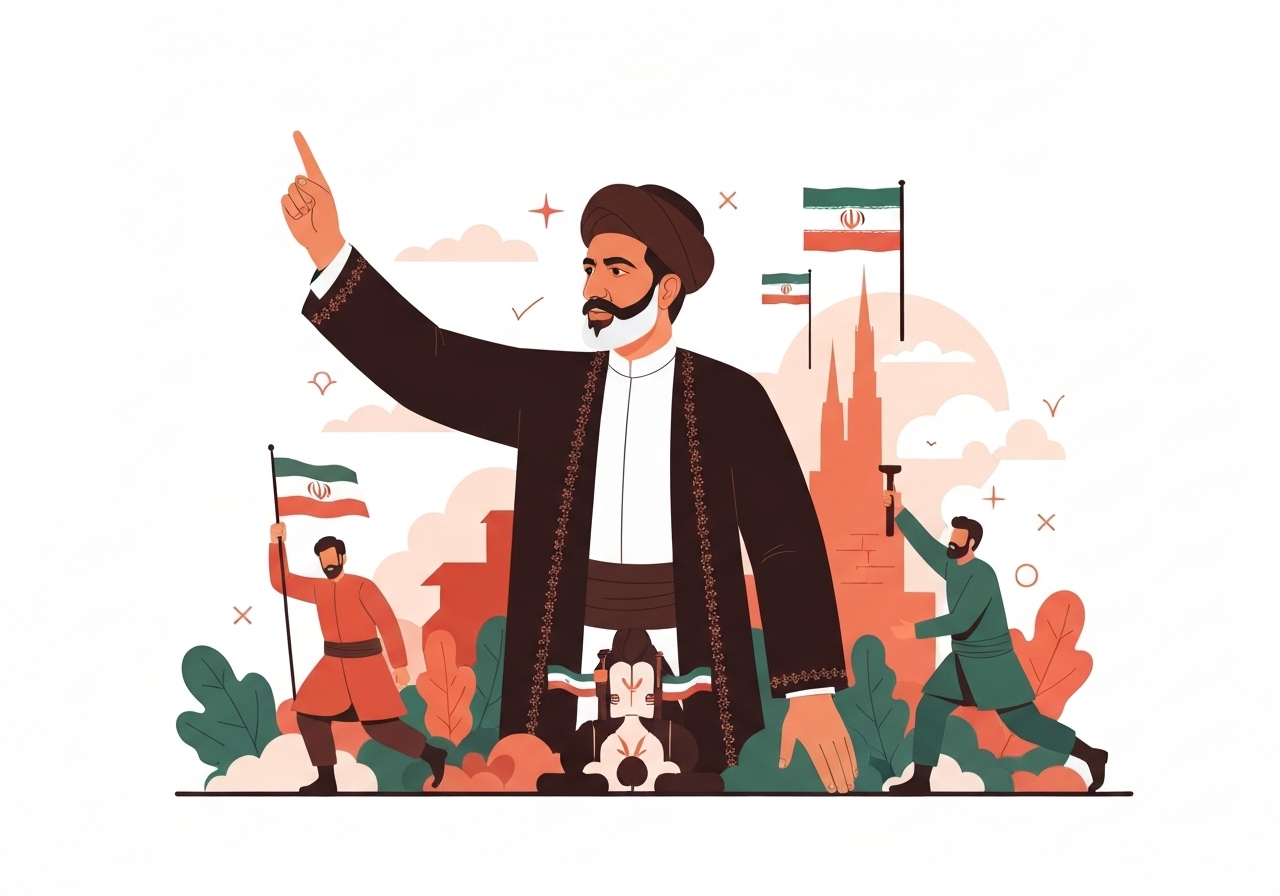
Lead
Reza Pahlavi, the 65-year-old son of Iran’s deposed Shah, has publicly encouraged nationwide demonstrations that began on Dec. 28 amid a sharp economic downturn. Tehran has acknowledged the unrest while deploying security forces; rights monitors report 116 dead and more than 2,600 detained as of early Sunday. The protests were sparked by a collapse in the rial, now trading above 1.4 million to the U.S. dollar after losing roughly half its value since September. Iranian authorities have responded with public warnings including a declaration from Attorney General Mohammad Movahedi Azad that participants could be labeled “enemies of God,” a charge that carries the death penalty.
Key Takeaways
- Protests began on Dec. 28 following a steep fall in the rial; the currency trades at over 1.4 million to the U.S. dollar and lost about 50% of its value since September.
- Human Rights Activists News Agency (HRANA) reported 116 fatalities and more than 2,600 detentions as of early Sunday, reflecting a sharp security response.
- Reza Pahlavi, born in Tehran in 1960 and living in exile nearly five decades, has used social media and diaspora channels to urge continued street action.
- State-linked outlets Fars and Tasnim released footage and reports accusing protesters of armed attacks and claiming arrests of nearly 200 alleged “operational terrorist” members with weapons.
- Iran’s attorney general publicly warned that even those who “helped rioters” could face charges carrying the death penalty, according to state television.
- Pahlavi has advocated for use of pre-1979 national symbols such as the lion-and-sun flag and has raised the idea of a constitutional monarchy with elected institutions.
Background
Economic hardship and political grievances have been building in Iran for years, intensified by international sanctions and domestic mismanagement. The rial’s precipitous decline has amplified everyday pressures: imports have grown more expensive, savings have eroded and inflation has squeezed households. Those economic pains fed into the protests that began on Dec. 28, when demonstrators took to streets in multiple cities to voice anger at both economic conditions and theocratic rule.
Reza Pahlavi is the eldest son of Mohammad Reza Pahlavi, who ruled Iran until the 1979 Islamic Revolution that united a broad coalition of secular and religious opponents. The Pahlavi era oversaw rapid modernization and expanded oil revenues but also deepening inequality and the rise of SAVAK, the Shah’s security service, which became associated with political repression. Pahlavi left Iran in 1978 for flight training in the United States; following his father’s exile and death, royalists in exile proclaimed him head of the former monarchy on Oct. 31, 1980.
Main Event
The most recent wave of unrest began after a sharp currency collapse and quickly spread from economic grievances to direct challenges against state institutions. Tehran has sought to contain the demonstrations by deploying security forces, restricting movement in some cities and amplifying pro-government rallies through state media. State-affiliated outlets published surveillance and incident footage alleging violent tactics by demonstrators, including images from Isfahan purporting to show a protester firing a long gun.
Government-affiliated agencies Tasnim and Fars reported arrests they described as dismantling “operational terrorist teams,” claiming nearly 200 detentions and the seizure of firearms, grenades and gasoline bombs. Independent verification of those specific claims is limited because of media restrictions and the fluid security situation. Meanwhile, human-rights monitors have documented widespread detentions and dozens of deaths, heightening international concern.
Against that backdrop, Reza Pahlavi used social media and Farsi-language diaspora channels to call for weekend street actions, urging protesters to carry the lion-and-sun flag and other pre-1979 symbols to “claim public spaces as your own.” His messages were amplified on platforms such as Iran International and by opposition networks abroad. Iranian officials warned that such calls could be treated as instigation and cited legal consequences under domestic statutes tied to national security and religious offenses.
Analysis & Implications
Reza Pahlavi’s resurgence as a visible opposition voice complicates an already fragmented Iranian opposition landscape. He represents a strand of dissent that evokes Iran’s pre-1979 national imagery and some exile communities, but his appeal inside Iran is mixed: for some protesters the shout of “Long live the Shah” may be a nostalgic symbol rather than an explicit endorsement of monarchy. That ambiguity makes it difficult to equate public displays of royal-era symbolism with a coherent political program backed by broad domestic institutions.
Politically, Tehran’s labeling of protesters as “enemies of God” and the reported threat of capital punishment risks sharpening confrontation and could deter some citizens from street participation while radicalizing others. Internationally, harsh crackdowns can trigger diplomatic responses, sanctions and scrutiny from rights bodies, but they can also be framed by Iranian officials as necessary measures against foreign-influenced destabilization, complicating external pressure strategies.
Economically, without meaningful stabilization of the rial and relief from sanctions or structural reforms, public dissatisfaction is likely to persist. The loss of roughly half the currency’s value since September shows how quickly economic shocks can translate into political unrest. If the protests endure, they could further weaken investor confidence and deepen the fiscal squeeze, creating a feedback loop of economic and political instability.
Comparison & Data
| Indicator | Value / Date |
|---|---|
| Rial exchange rate | Over 1.4 million IRR per USD (Dec–Jan period) |
| Reported deaths | 116 (HRANA, early Sunday) |
| Detentions | More than 2,600 (HRANA, early Sunday) |
| Reported “operational” arrests | Nearly 200 (Tasnim/Tasnim-affiliated reports) |
This snapshot aligns economic indicators with security data to show how currency collapse correlates with the timing and scale of protests. Official and state-affiliated figures tend to emphasize alleged violence and arrests; independent rights monitors report casualty and detention totals that international observers use to assess proportionality of the security response.
Reactions & Quotes
Iranian officials framed the unrest as a law-and-order challenge and cited legal frameworks to warn of severe penalties for what they described as violent actions or foreign-sponsored sabotage. State television carried statements from the attorney general that signaled a tough legal posture toward participants and those who assist them.
“Participants in the unrest will be considered an ‘enemy of God’ and those who helped rioters could face that charge.”
Mohammad Movahedi Azad / Iran Attorney General (state television)
Human-rights groups, by contrast, highlighted casualty and detention numbers and called for independent investigations into the use of force. Their accounts stress transparency and due process in response to mass arrests and reported fatalities.
“We have recorded dozens of deaths and thousands detained; independent scrutiny is urgently needed to verify these incidents and protect rights.”
Human Rights Activists News Agency (HRANA) / Rights monitor
Reza Pahlavi framed his appeals as an effort to help Iranians reclaim public space and to promote nonviolent civic action, while acknowledging that ultimate political choices belong to Iranians themselves. His calls to use historical national symbols have drawn sharp reactions both supporting and criticizing his approach.
“Claim public spaces as your own — carry national symbols and make clear you belong in streets and institutions.”
Reza Pahlavi (public statements, social media)
Unconfirmed
- Claims by state-affiliated agencies that arrests dismantled “operational terrorist teams” with weapons have limited independent verification at the time of reporting.
- Attribution of specific violent incidents to organized opposition cells versus spontaneous crowd actions remains unclear pending forensic and independent investigations.
- The extent to which chants or flags supporting the Shah reflect genuine support for monarchy rather than symbolic protest is not definitively established.
Bottom Line
The protests that began on Dec. 28 are rooted in acute economic pain and broader political grievances; the rial’s collapse and widespread hardship created a catalyst for mass mobilization. Reza Pahlavi has emerged as a vocal external figure urging continued civic action, but his influence inside Iran is mixed and intertwined with symbolic nostalgia for the pre-1979 era.
Tehran’s hardline legal rhetoric and the reported casualty and detention figures suggest the government is prepared to use a heavy security response. The immediate trajectory will depend on whether protesters sustain momentum, whether sanctions or economic shifts alter daily pressures, and whether international actors increase diplomatic or rights-focused pressure. Independent verification of contested claims and transparent investigations into reported abuses will be critical to assessing both the human cost and the political fallout.
Sources
- NPR (news report)
- Human Rights Activists News Agency (HRANA) (rights monitoring, U.S.-based)
- Fars News Agency (state-affiliated media)
- Tasnim News Agency (IRGC-linked media)
- Iran International (Farsi-language diaspora broadcaster)