
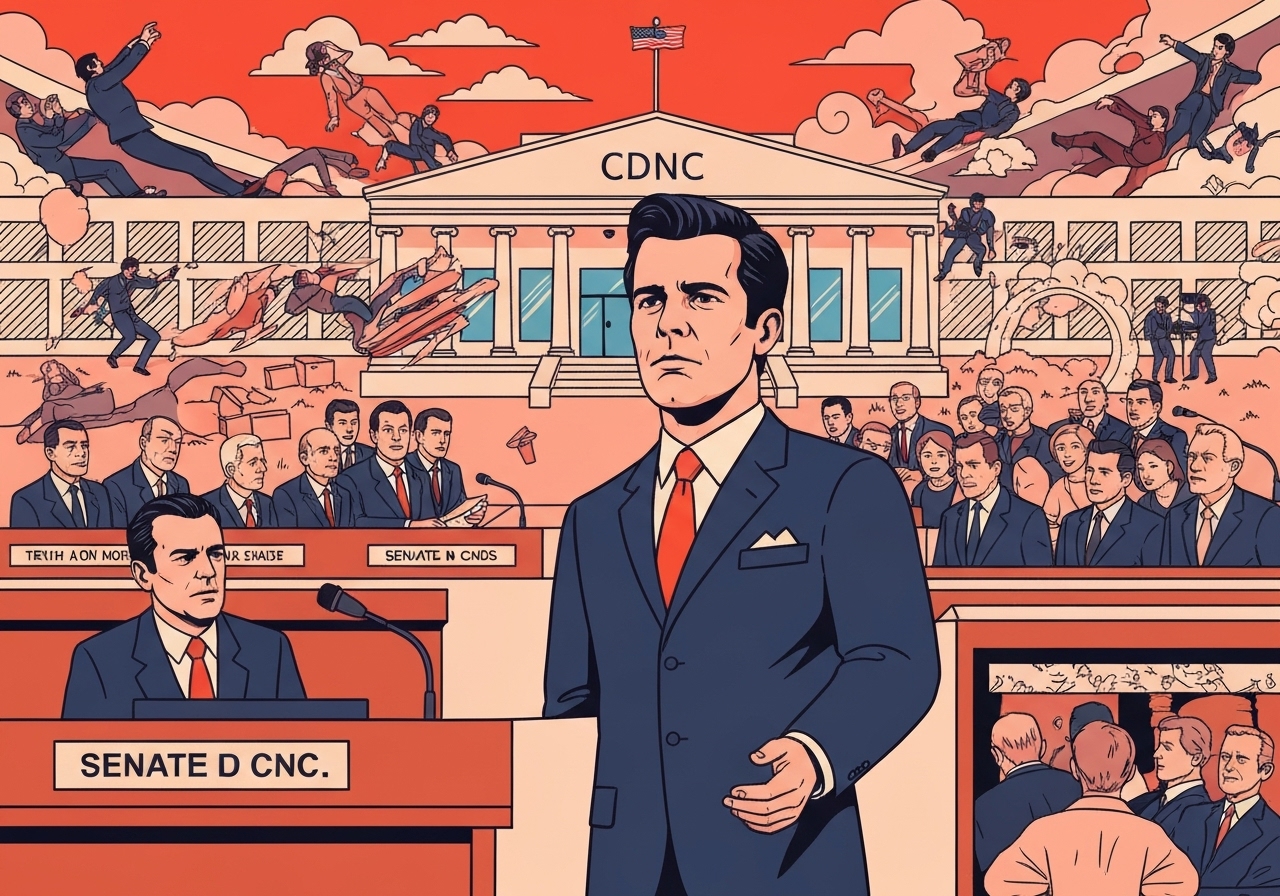
— Health and Human Services Secretary Robert F. Kennedy Jr. testified before the Senate Finance Committee in Washington as lawmakers pressed him over recent turmoil at the Centers for Disease Control and Prevention after he pushed for the director’s ouster and three senior CDC scientists resigned in protest.
Key Takeaways
- Kennedy testified to the Senate about the administration’s 2026 health agenda amid a leadership crisis at the CDC.
- The White House removed CDC Director Susan Monarez after Kennedy pressed for her resignation; three top CDC officials resigned in protest.
- Kennedy has moved to reshape federal vaccine policy and dismissed a major vaccine advisory panel in June.
- Access issues have emerged for the new COVID-19 booster and changes could affect other vaccines, including RSV and measles.
- Roughly 20,000 HHS staff — about one-quarter of the agency — have left or been dismissed since Kennedy became secretary.
- More than 1,000 current and former HHS employees have called for Kennedy’s resignation, citing public-health risks.
- Kennedy has emphasized food policy and state-level efforts to reduce additives and ultra-processed products as part of his public-health agenda.
Verified Facts
On September 4, 2025, Secretary Kennedy appeared before the Senate Finance Committee. The hearing was scheduled to review the administration’s 2026 health proposals and Kennedy’s broader plan to “Make America Healthy Again,” but senators also sought answers about recent personnel moves at the CDC and HHS.
Last week Kennedy pressed CDC Director Susan Monarez to resign; when she declined, the White House removed her from the position. In the days that followed, three senior CDC scientists resigned in protest, citing concerns about leadership changes and scientific independence.
In June, Kennedy dismissed the members of a key federal vaccine advisory panel and appointed a new roster that includes individuals with documented scepticism of mainstream vaccine policy. That panel is scheduled to review recommendations for the updated COVID-19 booster and routine vaccines such as RSV and measles later this month.
Some patients have already reported trouble obtaining the new COVID-19 booster. Changes to federal vaccine guidance could influence insurance coverage, procurement contracts, and clinical practice nationwide.
HHS staffing has also shifted dramatically under Kennedy. Public reporting and agency statements indicate roughly 20,000 HHS employees — about one-quarter of the workforce — have left or been dismissed since his tenure began; agency leaders have framed cuts as part of a broader reorganization.
Context & Impact
Vaccine advisory recommendations guide what vaccines are routinely offered, how insurers cover them, and how public-health systems prioritize supply. Replacing advisory members with critics of standard vaccine policy raises the prospect of altered recommendations that would have downstream effects on coverage and public trust.
Large-scale staff departures can weaken institutional memory and operational capacity at HHS and the CDC, affecting surveillance, outbreak response, and routine immunization programs. Congressional oversight now centers on whether those personnel and policy shifts compromise public health preparedness.
Politically, the upheaval has prompted public and private statements from lawmakers across the aisle and intensified calls from more than 1,000 current and former HHS employees urging Kennedy to step down. At the same time, Kennedy has defended his actions as necessary reform and has shifted public attention to food policy initiatives, including measures in Texas restricting certain additives and limiting the purchase of sugary drinks with food benefits.
Official Statements
“The CDC has been broken for a long time. Restoring it will take sustained reform and more personnel changes,”
Andrew Nixon, HHS Communications Director
“The path forward is clear: restore the CDC’s focus on infectious disease, invest in innovation, and rebuild trust through integrity and transparency,”
Robert F. Kennedy Jr., in an op‑ed
Unconfirmed
- The extent to which recent staffing changes were directly driven by external campaigns to shrink federal employment (reports have cited multiple contributing factors).
- Whether access problems for the new COVID-19 booster are nationwide or limited to specific regions or supply chains.
- The full membership lists and voting intentions of the newly appointed vaccine advisory panel ahead of its upcoming meetings.
Bottom Line
Kennedy’s Senate testimony comes amid rapid, high-profile changes at the CDC and HHS that raise practical questions about vaccine guidance, agency capacity and public trust. Decisions made in the coming weeks — including advisory panel recommendations and staffing adjustments — will determine whether the shifts produce meaningful reform or further disrupt public-health operations.