
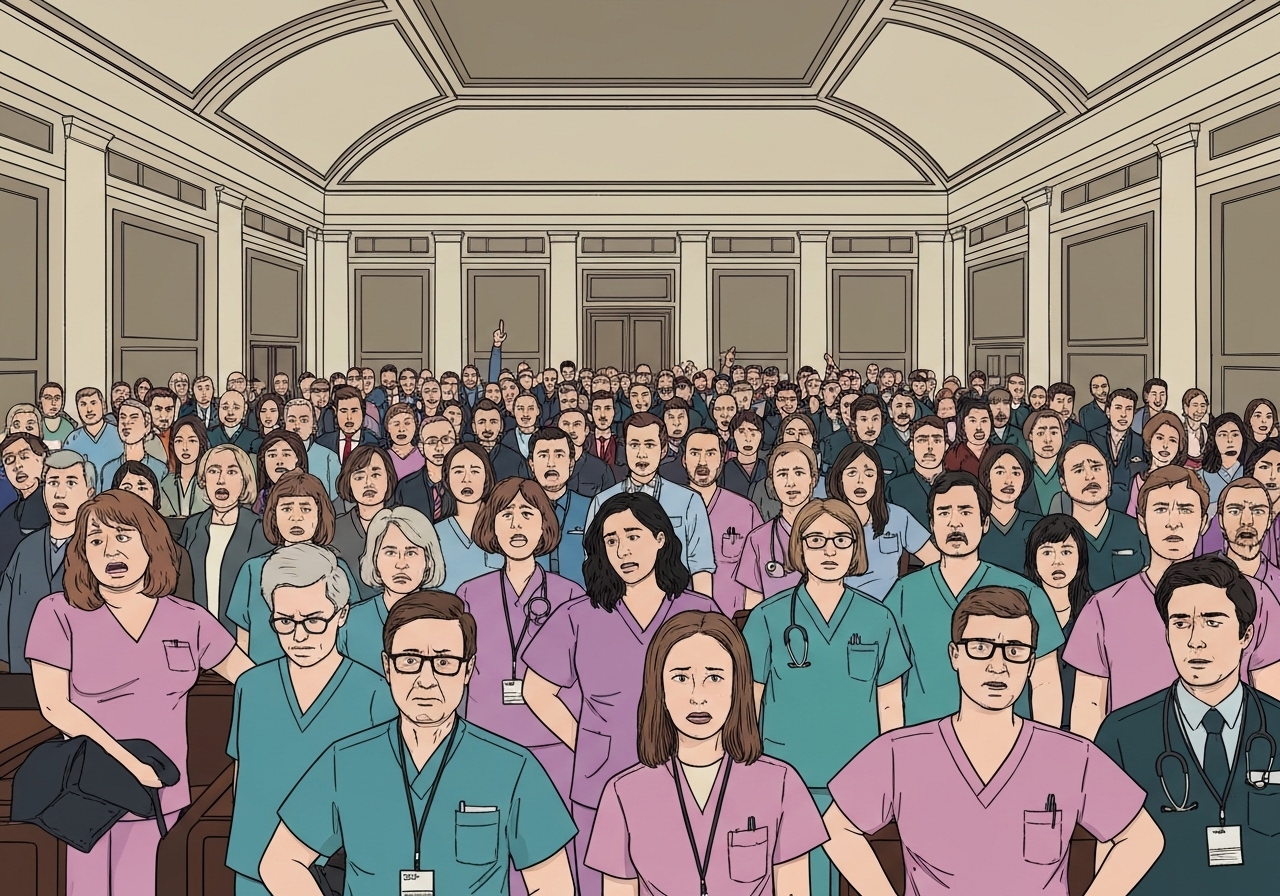
Over 1,000 HHS staffers call for RFK Jr.’s removal amid agency turmoil
— More than 1,000 current and former Department of Health and Human Services employees delivered an open letter asking Secretary Robert F. Kennedy Jr. to resign or be removed, citing last week’s upheaval at the CDC, recent changes to vaccine approvals and other personnel shifts they say threaten public health.
Key Takeaways
- Over 1,000 current and former HHS employees signed an open letter demanding Kennedy’s resignation or removal.
- The letter cited the recent firing of CDC Director Susan Monarez and resignations by several senior CDC officials.
- The signatories were provided to members of Congress but not publicly named for security and privacy reasons.
- Staff raised concerns about rescinded FDA emergency approvals related to COVID-19 vaccines for young children and changes to the vaccine advisory process.
- The letter was released by the advocacy group Save HHS, which earlier pressed Kennedy to stop spreading inaccurate health information.
- HHS Communications Director Andrew Nixon defended Kennedy’s record and criticized the CDC as “broken.”
- Kennedy is scheduled to testify before the Senate Finance Committee on Thursday morning, where lawmakers are expected to question recent decisions.
Verified Facts
On September 3, 2025, Save HHS circulated an open letter signed by more than 1,000 current and former HHS employees calling for Secretary Robert F. Kennedy Jr. to resign or be removed. The group’s release said signatory names were shared with members of Congress but withheld from public release for security and privacy reasons.
Last week the White House confirmed the firing of Centers for Disease Control and Prevention Director Susan Monarez. Her lawyers described the dismissal as “legally deficient” and said she was targeted after resisting directives they called unscientific. At least four other senior CDC leaders also stepped down last week; some resignation letters criticized budget cuts, described an alleged politicization of public health, and warned about misinformation on vaccines.
The letter singled out actions tied to vaccine policy: it noted the Food and Drug Administration’s decision to rescind or narrow emergency authorizations that had allowed COVID-19 vaccines for young children, and it criticized changes at the CDC that removed members of a key vaccine advisory panel earlier this year and replaced some with individuals who have questioned vaccine safety.
HHS Communications Director Andrew Nixon pushed back on the letter in a separate statement, saying Kennedy has asked colleagues to “check assumptions at the door” and that, in seven months, the secretary and his team have made progress on chronic disease and public health priorities. The administration position was released as Kennedy prepared to testify before the Senate Finance Committee.
Context & Impact
The personnel upheaval and policy reversals have prompted concern across public health and political circles about continuity, scientific independence and public trust in vaccines and other preventive measures. Multiple former CDC directors published an op-ed criticizing Kennedy’s actions as unprecedented and warning the agency’s credibility is at risk.
Congressional scrutiny is expanding: Republican Sen. Bill Cassidy, M.D., who chairs the Senate health committee and sits on the Senate Finance Committee, said the wave of resignations will require oversight. Lawmakers may seek documents, testimony and additional briefings as they evaluate both policy decisions and personnel changes.
Operationally, changes to advisory panels and vaccine authorization pathways could slow routine vaccine recommendations, complicate communications with state and local health departments, and affect uptake among parents and clinicians. Public health experts warn that uncertainty at the top of HHS can ripple through preparedness and disease prevention programs.
Immediate practical effects
- Potential delays in vaccine guidance and distribution decisions.
- Heightened staff turnover and morale issues across HHS agencies.
- Increased likelihood of congressional hearings and oversight inquiries.
Official Statements
“From his first day in office, he pledged to check his assumptions at the door — and he asked every HHS colleague to do the same,”
Andrew Nixon, HHS Communications Director
Unconfirmed
- The full list of signatories has not been made public; their identities and roles within HHS are not independently verified here.
- Claims that specific policy changes directly caused particular health outcomes are still under review and remain unproven.
Bottom Line
The large employee letter underscores deep internal dissent at HHS and intensifies political scrutiny of Secretary Kennedy’s tenure. With Kennedy set to appear before the Senate Finance Committee, lawmakers and public health officials will watch closely for explanations on recent firings, resignations and vaccine-policy shifts.