
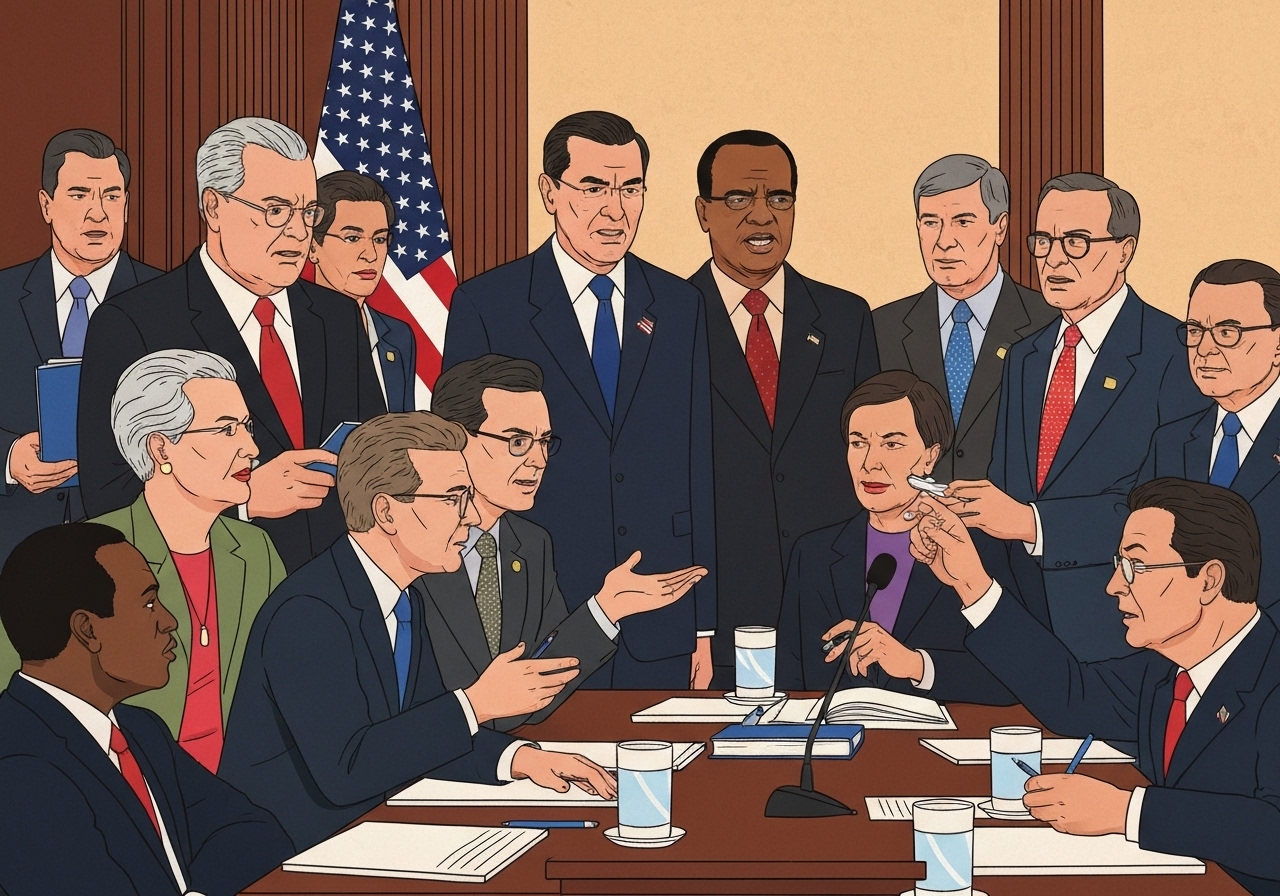
On in Washington, D.C., Health and Human Services Secretary Robert F. Kennedy Jr. faced a heated Senate Finance Committee hearing where senators across the aisle challenged his vaccine policies, changes at the CDC and called for accountability, with several Democrats urging his resignation.
Key Takeaways
- Senators from both parties questioned RFK Jr.’s handling of vaccine policy and agency leadership during a Sept. 4 hearing.
- Republicans cited Operation Warp Speed and pressed Kennedy to justify limits on COVID-shot access and scrutiny of mRNA technology.
- The HHS secretary dissolved the CDC Advisory Panel on Immunization Practices (17 members) and appointed new advisers criticized as vaccine skeptics.
- Under Kennedy, federal agencies cut or canceled hundreds of millions in mRNA research funding and implemented broad personnel reductions.
- The FDA recently narrowed access to COVID vaccines to people at high risk or those aged 65 and older, a move that senators said confuses providers and patients.
- Democratic senators, including Sen. Elizabeth Warren and Sen. Ron Wyden, directly accused Kennedy of breaking promises made during his confirmation.
Verified Facts
The hearing took place before the Senate Finance Committee on September 4, 2025. Members pressed Secretary Kennedy about decisions affecting vaccine availability and the direction of federal public health agencies. Several Republicans noted the legacy of Operation Warp Speed and its role in delivering COVID vaccines rapidly during the pandemic.
Sen. Bill Cassidy (R-La.), who was instrumental in Kennedy’s confirmation vote earlier this year, said Kennedy had assured him during confirmation that vaccine access would not be restricted. Cassidy and others criticized Kennedy for actions they say reduce access to vaccines and for replacing the 17-member Advisory Committee on Immunization Practices with advisers some senators described as skeptical of vaccines.
Federal agencies have reported programmatic and staffing changes since Kennedy took office, including layoffs at parts of the FDA, CDC and NIH and the cancellation or reallocation of sizeable mRNA-related research budgets described in committee exchanges as “hundreds of millions” of dollars. The FDA recently issued guidance narrowing eligibility for current COVID vaccine doses to those at higher risk of severe disease and people 65 and older.
Context & Impact
Public-health organizations and many physicians have warned that limiting vaccine access or undermining established advisory processes could reverse years of progress on preventable diseases. Senators raised concerns that changing advisory membership and shifting policies may increase confusion among clinicians, insurers and patients.
Democratic members argued the moves could disproportionately affect routine childhood vaccinations and cited professional groups that have expressed alarm about the direction of federal vaccine policy. Republican critics said the administration is correcting perceived scientific errors and restoring oversight.
- Potential effect on routine immunization programs and school-entry vaccine requirements.
- Possible disruption to ongoing vaccine research and industry collaboration.
- Increased public uncertainty about vaccine safety and eligibility rules.
Official Statements
“These changes were absolutely necessary adjustments to restore the agency to its role as the world’s gold standard public health agency,”
Robert F. Kennedy Jr., HHS Secretary
“President Trump deserves a Nobel Prize for Operation Warp Speed,”
Sen. Bill Cassidy (R-La.)
Unconfirmed
- Allegations that many new appointees have direct financial incentives to sue vaccine manufacturers remain contested and were cited by senators but not independently verified in committee testimony.
- Some public claims about the exact scale and timing of canceled mRNA grants were described in broad terms at the hearing and require agency budget documentation for confirmation.
Bottom Line
The Sept. 4 hearing highlighted deep bipartisan concern about recent HHS and CDC actions under Secretary Kennedy, centering on vaccine access, advisory independence and research priorities. The dispute is likely to continue in Congress and could prompt follow-up oversight or legislative responses as agencies and stakeholders seek clarity on policy and program impacts.