
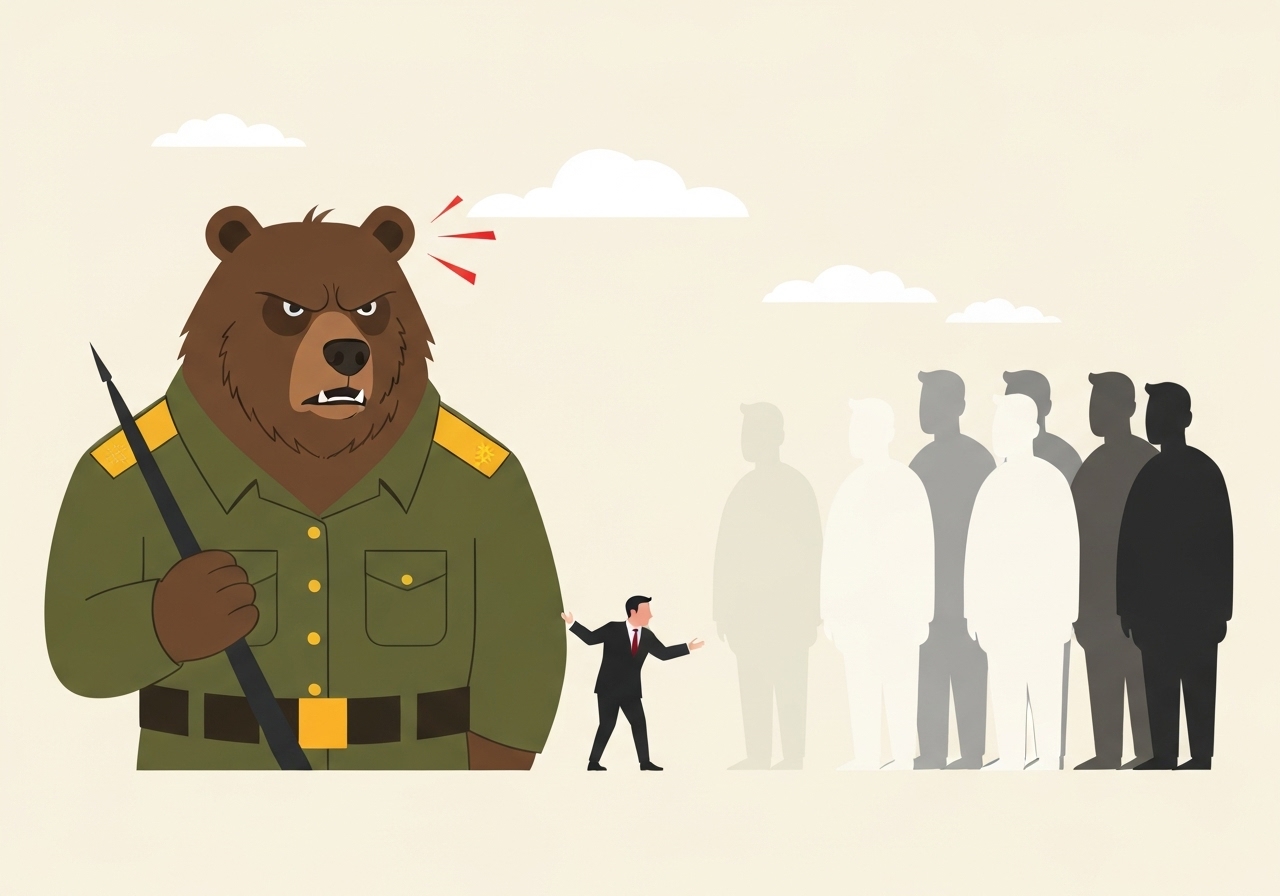
Lead: On Sept. 4, 2025 in Paris, Ukrainian President Volodymyr Zelenskyy met a group of European leaders to discuss security guarantees and a planned U.S. call, while Moscow publicly warned it will not accept any foreign troop presence in Ukraine.
Key Takeaways
- Russia’s Foreign Ministry reiterated it will not accept Western troops on Ukrainian soil as part of any peace arrangement.
- Zelenskyy held talks in Paris with European leaders described as the “Coalition of the Willing.”
- French President Emmanuel Macron said Europeans are prepared to offer security guarantees if a peace deal is signed.
- The group planned a phone call with U.S. President Donald Trump around 8 a.m. ET on Sept. 4, 2025.
- Washington has imposed 25% tariffs on all imported Indian goods over purchases of Russian energy and military equipment, a measure cited by President Trump as part of pressure on Moscow.
- Kremlin comments suggested a possible meeting location in Moscow, which Kyiv dismissed as unacceptable.
Verified Facts
Russia’s Foreign Ministry statement on Sept. 4, 2025, reiterated that Moscow will not negotiate terms that include any foreign military presence in Ukraine. Spokesperson Maria Zakharova characterized proposals for Western forces as unacceptable and framed them as a threat to Europe rather than protections for Kyiv.
President Zelenskyy met at the Élysée Palace with French President Emmanuel Macron and other European officials. Macron said Europe was prepared to provide security guarantees for Ukraine once a peace agreement is signed, and he indicated defense ministers had completed preparatory work on contributions.
The Paris meeting was described by the French presidency as a preparatory session for broader diplomatic steps; participants were scheduled to speak with U.S. President Trump by telephone at about 8 a.m. ET on Sept. 4, 2025, according to the Élysée schedule.
President Trump defended recent measures aimed at restricting Russia’s economic ties, including a 25% tariff on imported Indian goods that U.S. officials tied to New Delhi’s purchases of Russian energy and military equipment. Trump said further actions could follow depending on developments.
Kyiv rejected a Kremlin suggestion that a bilateral meeting between Russian President Vladimir Putin and President Zelenskyy be held in Moscow. Ukraine’s foreign minister called the proposal knowingly unacceptable.
Context & Impact
The debate over whether Western forces could figure into security guarantees stems from Kyiv’s long-standing demand for robust protections to deter renewed aggression if a cease-fire or deal were reached. NATO and Ukrainian officials have discussed a range of guarantees; Moscow regards any foreign deployments near its border as an intolerable escalation.
European readiness to prepare guarantees—military, logistical or political—aims to strengthen Kyiv’s negotiating position and reassure partners. However, concrete details of what guarantees would include and how they would be implemented remain limited.
- Political impact: The standoff complicates negotiations, since Russia publicly rejects troop deployments while Kyiv views guarantees as essential.
- Security impact: Any agreed guarantees would need mechanisms for verification and enforcement to prevent renewed hostilities.
Official Statements
“Russia does not intend to discuss unacceptable foreign intervention in Ukraine in any form whatsoever.”
Maria Zakharova, Russian Foreign Ministry
“We are ready as Europeans to offer security guarantees to Ukraine and the Ukrainian people, the day a peace deal is signed.”
Emmanuel Macron, President of France
Unconfirmed
- Whether Russia would accept any form of third-party monitoring or limited multinational presence short of overt troop deployment remains unclear.
- Details and timelines for the security guarantees Europe is preparing were not publicly released after the Sept. 4 meetings.
- The Kremlin’s openness to a Putin–Zelenskyy meeting in Moscow was suggested but not formally confirmed by official Russian channels at the time of the Paris talks.
Bottom Line
European leaders and Ukraine presented preparatory plans for security guarantees meant to underpin any negotiated peace, but Moscow’s categorical rejection of foreign troop presence keeps a key point of contention unresolved. The scheduled call with President Trump and further diplomatic work will determine whether negotiators can bridge that gap or whether stalemate will persist.