
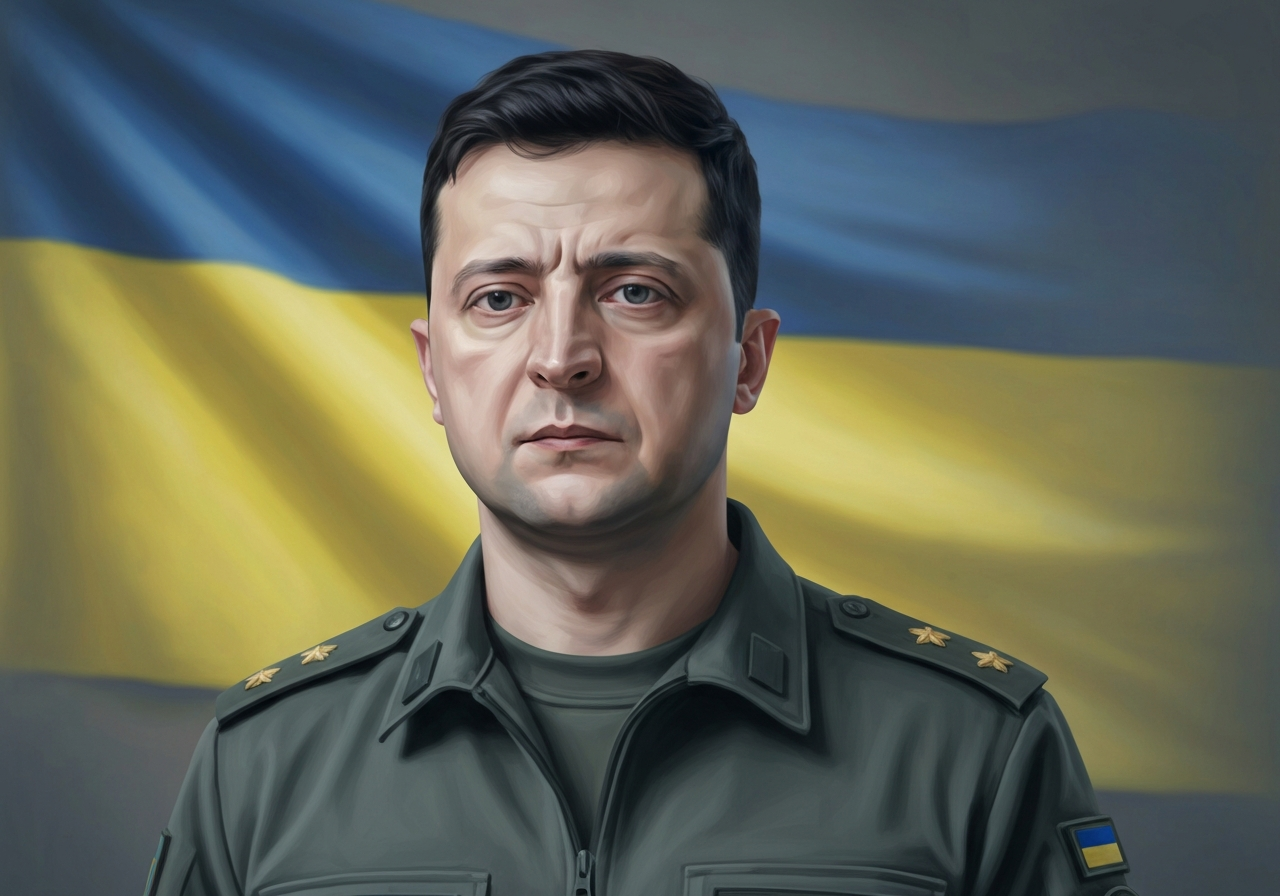
Ukrainian President Volodymyr Zelenskyy said Russian satellites photographed the Prince Sultan Air Base in Saudi Arabia on March 20, March 23 and March 25, days before Iran launched a strike on March 26 that wounded American service members. Zelenskyy shared a summary of Ukrainian intelligence with NBC News during a visit to Doha, and said he was “100%” certain Moscow passed targeting information to Tehran. The U.S. confirmed several troops were injured in the attack but said none were life-threatening. NBC News and Ukrainian briefers noted that the satellite imagery itself was not provided publicly and its provenance has not been independently verified.
Key Takeaways
- Ukrainian briefing: Russian satellites imaged Prince Sultan Air Base on March 20, 23 and 25, according to the daily presidential report shared by Zelenskyy.
- Attack timeline: Iran struck the base on March 26, injuring several U.S. service members; U.S. officials reported no life-threatening injuries.
- Zelenskyy assertion: He stated he is “100%” confident Russia shared intelligence with Iran to assist targeting of U.S. forces.
- Bilateral denials and claims: Russian Foreign Minister Sergey Lavrov denied providing intelligence to Tehran but acknowledged military equipment transfers under a long-standing relationship.
- Verification gap: The briefing did not include raw satellite imagery or a detailed chain of custody; NBC News could not independently corroborate the Ukrainian summary.
- Regional impact: The incident adds pressure on Gulf states and has accelerated interest in air-defense systems from U.S. allies.
Background
The Prince Sultan Air Base in eastern Saudi Arabia hosts a mix of U.S. and Saudi personnel and has been a focal point for regional tensions since Iran increased missile and drone operations across the Middle East. Iran’s use of low-cost Shahed drones and ballistic missiles has prompted rapid purchases of interceptor missiles by U.S. partners as they seek to protect critical infrastructure and forces. Russia and Iran maintain a complex relationship: formal military cooperation and equipment transfers coexist with distinct strategic aims that sometimes align against Western influence.
Satellite reconnaissance has long been a signal of pre-attack planning in modern conflicts; repeated overflights or re-imaging of a facility can indicate targeting, damage assessment, or troop movement monitoring. Ukraine’s own experience under Russian long-range strikes has made Kyiv sensitive to patterns in satellite revisits and imagery collection. Meanwhile, U.S. forces in the region have faced an uptick in threats, stretching interceptor inventories and prompting allied requests for rapid deliveries.
Main Event
In Doha on Saturday, Zelenskyy presented a summary of his presidential intelligence briefing that reported Russian satellite imagery of Prince Sultan on three dates in March. He asserted those repeated images were consistent with reconnaissance preceding an attack, drawing on Ukraine’s experience where multiple imagery passes often match operational phases: surveillance, simulation, and imminent strike. Zelenskyy said he was certain Russia provided such information to Iran and framed it as part of Moscow’s broader regional strategy.
The Iranian strike on March 26 wounded a number of American service members, according to two U.S. officials who spoke to news outlets; U.S. authorities characterized the injuries as non-life-threatening. NBC News earlier reported that Russia had shared intelligence with Iran about U.S. force locations in the Middle East, citing multiple sources, though those reports stopped short of presenting primary documentation of transfers. Russian officials, including Foreign Minister Sergey Lavrov, denied passing targeting intelligence to Tehran while acknowledging military-technical cooperation.
Zelenskyy’s Gulf visit included negotiations aimed at selling Ukrainian air-defense expertise to Gulf partners. He said defense agreements with Saudi Arabia and Qatar would combine Ukrainian technical know-how with significant financial investment in Ukraine’s defense industry. Kyiv argues its battlefield-tested systems and operational experience with Shahed-style drones are valuable to Gulf states confronting similar threats.
Analysis & Implications
If verified, repeated satellite imaging of Prince Sultan by Russian assets before the March 26 strike would illustrate a tangible way in which great-power reconnaissance can influence regional conflict dynamics. Shared targeting data—or even permissive transfer of metadata—lowers the technical barrier for an actor like Iran to select targets against U.S. forces, potentially increasing the tempo and accuracy of attacks. That dynamic would complicate U.S. force protection and coalition planning across the Gulf.
The episode also highlights competing incentives: Russia benefits if Middle Eastern instability raises energy prices or eases the impact of certain sanctions, while Iran gains leverage through asymmetric attacks. For Washington, the risk is twofold—immediate force protection needs in the region and the strategic cost of diverting munitions and air-defense assets from other theaters, including support to Ukraine. Zelenskyy voiced concern about such diversions but said scheduled deliveries to Kyiv had not been disrupted at the time of his comments.
Diplomatically, the incident may harden positions and reduce space for neutral mediation. Zelenskyy reported that U.S.-led efforts to broker talks between Kyiv and Moscow were already stalled and that the Iran war has further restricted options for neutral venues. If Moscow is perceived to be enabling attacks on U.S. forces indirectly, it could deepen mistrust and constrain bilateral or multilateral confidence-building measures.
Comparison & Data
| Date | Event |
|---|---|
| March 20, 2024 | Ukrainian brief: Russian satellite imagery of Prince Sultan |
| March 23, 2024 | Ukrainian brief: Second satellite revisit reported |
| March 25, 2024 | Ukrainian brief: Third satellite revisit reported |
| March 26, 2024 | Iranian strike on Prince Sultan Air Base; U.S. troops wounded |
The table summarizes dates cited by the Ukrainian presidential briefing and the subsequent attack. While repeated imagery revisits are a recognized indicator of targeting cycles, analysts caution that imagery alone does not prove direct transfer of targeting data. Verification would require metadata, intercepts, or other corroborating signals to establish the link between satellite collection and operational orders used by an attacker.
Reactions & Quotes
“I think that it’s in Russia’s interest to help Iranians. And I don’t believe — I know — that they share information.”
President Volodymyr Zelenskyy (summary of Ukrainian briefing)
Zelenskyy framed the reported imagery as consistent with patterns Kyiv has seen during earlier stages of Russian attacks, and he used the claim to underscore Kyiv’s concerns about Moscow’s role in regional escalation.
“We have not provided intelligence to Iran about U.S. forces,”
Sergey Lavrov (Russian Foreign Minister, interview)
Lavrov denied that Russia passed targeting intelligence to Tehran while confirming ongoing military-technical cooperation between Moscow and Tehran, a distinction his office emphasized in public remarks.
Unconfirmed
- The Ukrainian summary did not provide the raw satellite images or metadata showing ownership, sensor type or acquisition platform; the chain of custody is unconfirmed.
- There is no publicly available direct evidence in the briefing proving Russia transmitted specific targeting coordinates to Iran.
- Independent verification of the timing, content and recipients of the reported imagery was not available to NBC News at the time of reporting.
Bottom Line
The claim that Russian satellites imaged Prince Sultan Air Base days before Iran’s March 26 strike, if corroborated, would show a concrete mechanism through which Moscow could influence regional targeting and increase risk to U.S. forces. At present, the report rests on Ukrainian intelligence summary statements and has not been backed by published imagery or metadata accessible to independent analysts.
Policy implications are significant: Washington must weigh immediate force protection needs in the Gulf against long-term commitments elsewhere, including support for Ukraine. Increased transparency—release of imagery metadata or allied intelligence assessments—would be the clearest way to move from allegation to verified finding and to inform appropriate diplomatic and military responses.
Sources
- NBC News (U.S. national news; report summarizing Zelenskyy briefing and sourcing U.S. officials)