
Lead
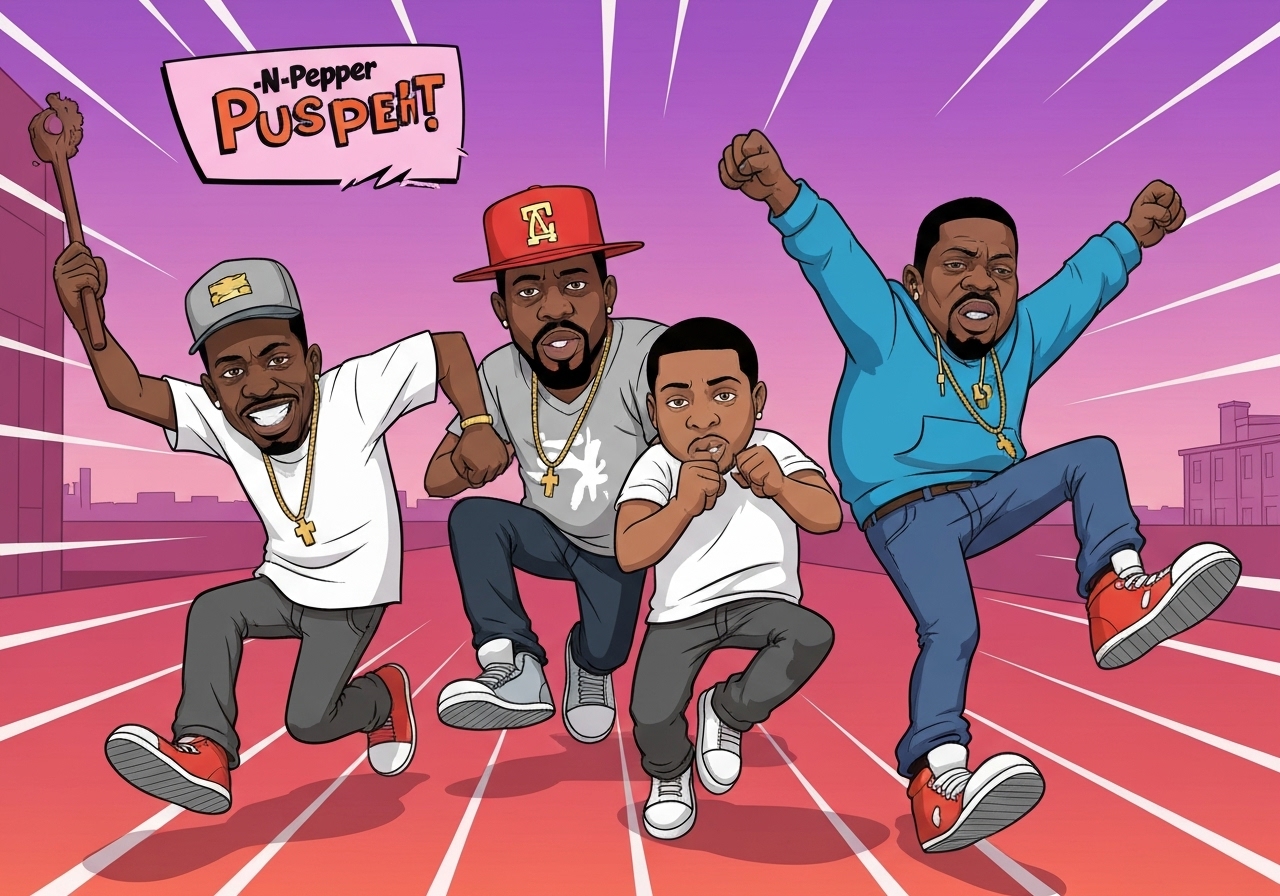
Salt‑N‑Pepa led a high‑energy moment at the Rock & Roll Hall of Fame induction ceremony Saturday in Los Angeles, donning the multicolored leather jackets from their “Push It” video and delivering a crowd‑rousing medley of their hits. Cheryl “Salt” James used her acceptance remarks to highlight the trio’s fight to reclaim their master recordings from Universal Music Group. The performance included “Shoop,” “Let’s Talk About Sex,” a collaboration with En Vogue on “What a Man,” and a charged rendition of their 1987 breakthrough, “Push It.” The induction also marked DJ Spinderella’s entry as the Hall’s first female DJ honoree.
Key Takeaways
- Salt‑N‑Pepa performed a medley at the Rock & Roll Hall of Fame ceremony in Los Angeles on Saturday, opening with “Shoop” and closing with “Push It.”
- Cheryl “Salt” James publicly raised the group’s ongoing effort to recover their master recordings from Universal Music Group during her acceptance speech.
- DJ Spinderella became the first woman DJ inducted into the Rock & Roll Hall of Fame as part of the trio.
- Missy Elliott inducted the group, underscoring their role in proving female rappers could compete with male peers.
- The ceremony featured tributes and performances across genres, including a Sly Stone tribute led by Stevie Wonder and performances for the White Stripes by Twenty One Pilots and Olivia Rodrigo.
- Meg White did not attend the White Stripes induction; Jack White performed and spoke emotionally about the duo’s partnership.
- Health issues kept Paul Rodgers from attending, and Mick Ralphs, a founding Bad Company guitarist, died earlier this year; Simon Kirke accepted Bad Company’s honor.
- Warren Zevon was inducted in a segment led by David Letterman, with The Killers performing one of Zevon’s songs.
Background
Salt‑N‑Pepa rose to commercial prominence with the 1987 single “Push It,” which helped establish them as one of hip‑hop’s earliest and most visible female groups. Their blend of bold lyrics, danceable production and outspoken feminism challenged industry norms in the late 1980s and 1990s, creating crossover success on radio and MTV. Over decades, questions about artists’ control over masters and catalog rights have become a flashpoint across the music business; Salt‑N‑Pepa’s public push to reclaim their masters joins a wave of high‑profile disputes between legacy artists and major labels.
The Rock & Roll Hall of Fame induction weekend has broadened in recent years from a niche ceremony into a major, multi‑genre showcase that pairs legacy acts with contemporary performers. That programming strategy is intended to highlight influence across generations: newer artists often perform classics to underscore lineage while the institution recognizes a wider range of contributors — from songwriters and producers to DJs. This year’s ceremony at the Peacock Theater continued that trend, mixing rap, rock, soul and pop tributes across the evening.
Main Event
At the Peacock Theater, Salt‑N‑Pepa opened with the sultry bounce of “Shoop,” transitioned into the candid public‑health conversation of “Let’s Talk About Sex,” and brought En Vogue onstage for the collaborative hit “What a Man.” The trio capped their set with “Push It,” in which the crowd responded with standing ovations and dancing. Cheryl James used the acceptance platform not only to celebrate the moment but to explicitly call out the industry battle over ownership of their recordings, saying the group has “never been afraid of a fight.”
Missy Elliott, who inducted the trio, framed their induction as validation of the path female rappers paved. She emphasized that Salt, Pepa and Spinderella proved women could “go toe to toe with the guys,” a sentiment echoed by many in attendance. The induction also carried symbolic weight: Spinderella’s inclusion marks a first for female DJs in the Hall’s roster, acknowledging a role often sidelined in institutional histories.
The program moved between genres: a Sly Stone tribute opened the show led by Stevie Wonder, Questlove and others, performing classics such as “Dance to the Music” and “Everyday People.” The White Stripes induction included a high‑energy performance of “Seven Nation Army” by Twenty One Pilots and an intimate audience acoustic of “We’re Gonna Be Friends” by Olivia Rodrigo and Feist. Jack White spoke about musical partnership and nearly choked up recounting the creative bond he shared with Meg White, who did not attend the ceremony.
Analysis & Implications
Salt‑N‑Pepa’s public demand to reclaim master recordings underscores a broader industry reckoning over catalog ownership and artist compensation. In recent years, legacy acts have become more vocal about seeking control or better financial terms for their catalogs as streaming revenues and catalog valuations have grown. Their remarks at a high‑profile institution amplify pressure on labels to negotiate or face reputational costs.
Spinderella’s induction as the first female DJ represents both recognition and a reminder of historical exclusion. DJing and production roles have been central to hip‑hop’s development, yet institutional honors have trailed the genre’s internal hierarchies. This induction could prompt the Hall and other institutions to revisit criteria and outreach to better capture behind‑the‑scenes contributors.
The ceremony’s format — pairing legacy artists with contemporary performers — continues to function as cultural bridgework that re‑legitimizes older catalogs for new audiences. When younger stars like Olivia Rodrigo and Twenty One Pilots perform classic songs, they help drive streaming interest and press attention back toward the originals, which in turn can strengthen the negotiating position of legacy artists pursuing greater control over their recordings.
Comparison & Data
| Act | Induction Year | Notable Onstage Moment |
|---|---|---|
| Salt‑N‑Pepa | 2025 | Medley incl. “Push It”; speech on masters |
| White Stripes | 2025 | “Seven Nation Army” performed by Twenty One Pilots |
| Bad Company | 2025 | Inducted by Mick Fleetwood; ad‑hoc band performed |
The table above situates a few headline acts from the ceremony and highlights how contemporary guests were used to reinterpret or celebrate legacy work. Such pairings often correlate with short‑term spikes in streaming: previous Rock Hall performances have produced measurable increases in plays for the honored songs in days following the broadcast.
Reactions & Quotes
Before and after her remarks, several attendees and commentators reflected on the induction’s cultural meaning and the master‑ownership issue.
“This is for every woman who picked up a mic when they told her she couldn’t.”
Cheryl “Salt” James (acceptance remarks)
James framed the induction as both a celebration and a call to action, using her platform to foreground artists’ rights. Her words resonated with fans and industry observers who noted that the ceremony provided rare mainstream attention to catalog disputes.
“The female rappers had to step to the mic and show that they could go toe to toe with the guys.”
Missy Elliott (induction remarks)
Elliott’s induction speech positioned Salt‑N‑Pepa as trailblazers whose success opened doors for later generations. Her remarks contextualized the trio’s achievements within a longer arc of hip‑hop’s gender dynamics.
“Cute kids, they’re gonna go places.”
Iggy Pop (referring to White Stripes)
Iggy Pop recalled meeting the White Stripes early in their career, remarking on their vitality and prescience; his short tribute underscored the cross‑generational respect present throughout the evening.
Unconfirmed
- Final outcome of Salt‑N‑Pepa’s efforts to reclaim their master recordings from Universal Music Group remains unresolved publicly.
- No official explanation has been released for Meg White’s absence beyond her long‑held preference for privacy.
Bottom Line
The Rock & Roll Hall of Fame ceremony combined spectacle with substantive moments: Salt‑N‑Pepa’s performance celebrated a career milestone while also spotlighting a pressing industry debate about master ownership. Their induction, and Spinderella’s historic inclusion, emphasize widening recognition of hip‑hop’s early architects within established cultural institutions.
Beyond the applause, the event renewed public attention to behind‑the‑scenes power dynamics in the music business. If the discussion about masters gains sustained momentum, it could lead to more public pressure on labels and potentially more renegotiations or policy attention on catalog ownership.