
Lead
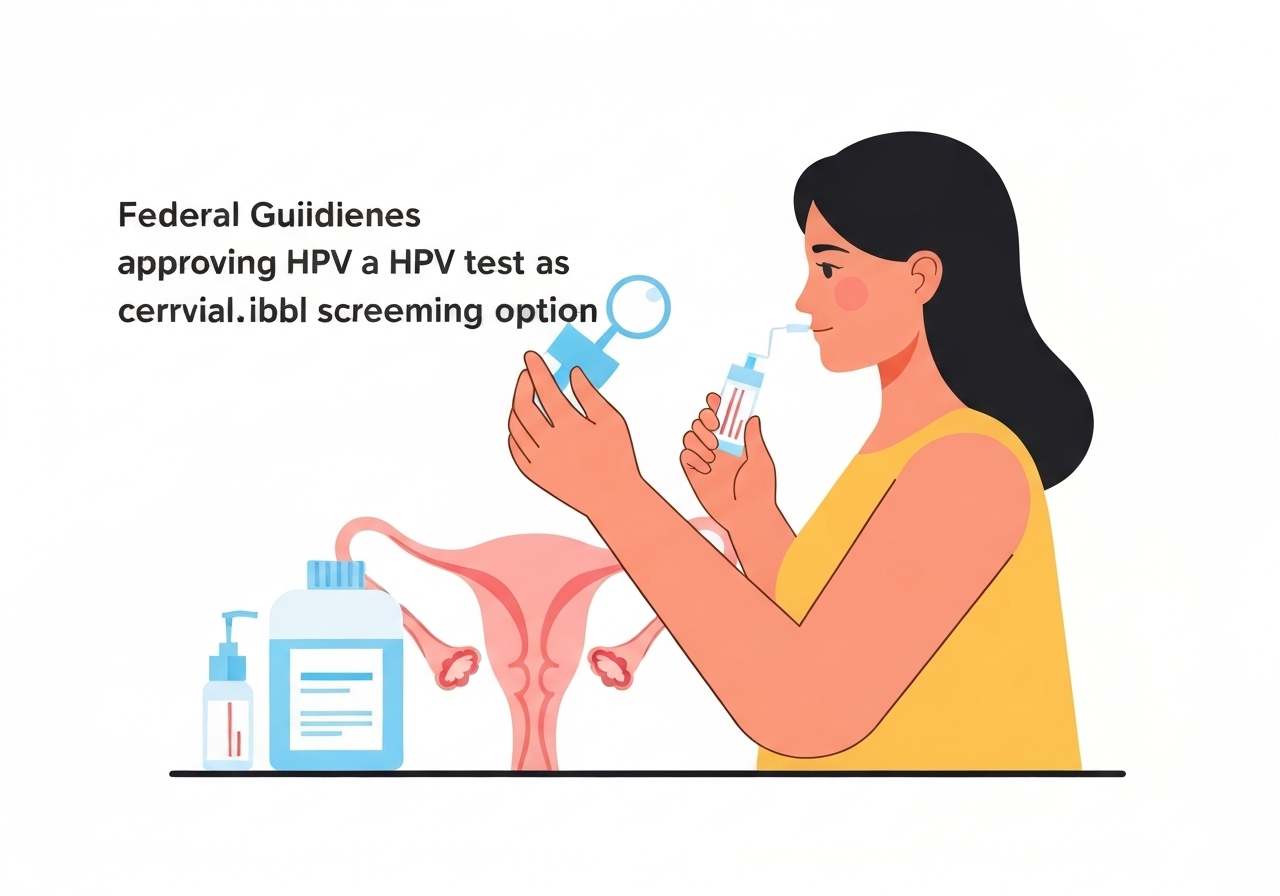
Federal health authorities have expanded cervical cancer screening options, allowing women ages 30 to 65 at average risk to choose a self‑collected HPV swab, the Health Resources and Services Administration announced on Monday. The change endorses HPV testing every five years — by self‑swab or clinician collection — while keeping Pap smears available, though not preferred for those 30 and older. Insurers that follow HRSA recommendations must cover the new screening approach and related follow‑up testing by Jan. 1, 2027. The move responds to evidence that HPV testing improves detection of cervical abnormalities linked to cancer.
Key Takeaways
- HRSA now recommends HPV testing every five years for women ages 30–65, with self‑swab an approved option alongside clinician collection.
- Pap testing remains recommended every three years for women ages 21–29, but is no longer the preferred primary screen for those 30 and older.
- Federal guidance requires most private insurers to cover the recommended screening and follow‑up by Jan. 1, 2027.
- HPV causes the majority of cervical cancers and more than 4,000 U.S. deaths annually; vaccines approved in 2006 can prevent over 90% of these cancers.
- Since 2024 the FDA has cleared two clinician‑used self‑swab tests and one at‑home device (Teal Wand); the at‑home option may cost about $250 out of pocket in some cases.
- Screening participation has fallen: the share of women 21–65 up to date decreased from 47% in 2019 to 41% in 2023.
Background
For decades, cervical cancer screening in the United States relied heavily on the Pap smear, a clinician‑collected test that examines cervical cells for abnormalities. In 2016 federal guidance began endorsing HPV testing as an alternative — alone or combined with Pap — recognizing that persistent infection with high‑risk human papillomavirus types is the principal driver of cervical cancer. The HRSA update aligns screening policy with accumulating research showing that HPV tests detect precancerous changes earlier and more consistently than cytology alone.
Public health experts cite multiple reasons for shifting emphasis toward HPV testing: higher test sensitivity, the long natural history of HPV progression to cancer, and the potential to lengthen screening intervals safely. Another major factor is access: self‑collection can lower practical and social barriers for people in rural areas, those without regular clinic access, and those who avoid pelvic exams for personal or cultural reasons. The change also intersects with insurance rules—HRSA‑endorsed preventive services generally trigger coverage requirements under federal law, affecting out‑of‑pocket costs and access.
Main Event
The Health Resources and Services Administration issued new recommendations on Monday allowing women ages 30 to 65 at average risk to choose self‑collected HPV tests as an alternative to clinician collection. Under the guidance, an HPV test is recommended every five years for that age group; clinicians should continue to offer Pap tests, and Pap remains the recommended primary screen every three years for women 21–29. HRSA specified that insurers who cover HRSA‑recommended preventive services must also pay for necessary follow‑up testing related to abnormal results.
Self‑collected HPV tests typically involve inserting a narrow plastic tube or swab into the vagina, rotating to collect cells, and sending the sample to a laboratory for HPV DNA testing. Clinician‑collected HPV tests use a speculum to visualize and swab the cervix directly. Multiple studies reviewed by federal advisers show comparable accuracy for detecting high‑risk HPV between self‑collected and clinician‑collected specimens when validated tests and laboratory methods are used.
The Food and Drug Administration has approved two clinician‑used self‑swab tests since 2024 and cleared one at‑home test, the Teal Wand, which can be ordered following a telehealth visit. The at‑home device is available for purchase without insurance at roughly $250 in some markets, though coverage varies. The American Cancer Society updated its guidance in December to endorse self‑collection every three years for women 25–65 while continuing to prefer clinician‑administered HPV testing at five‑year intervals when available.
Analysis & Implications
Shifting to routine HPV testing with an option for self‑collection changes the screening landscape by emphasizing viral detection rather than cytologic abnormality alone. HPV tests are generally more sensitive for identifying precancerous changes, which allows for longer intervals between tests and could reduce overdiagnosis from transient cellular changes. For health systems, broader adoption of validated self‑collection could increase screening coverage among under‑screened populations and reduce the administrative burden of frequent clinic visits.
Insurance coverage requirements tied to HRSA recommendations are a major lever for access. If plans comply by the Jan. 1, 2027 deadline, many women may face no cost for screening and indicated follow‑up—removing a common barrier to care. However, differential coverage for at‑home devices, laboratory processing fees, and telehealth requirements could still create gaps. Policymakers and payers will need to clarify what constitutes a covered self‑collection pathway and whether proprietary at‑home kits are included.
Clinician training and laboratory standards will also matter. Self‑swab accuracy depends on validated test systems and clear instructions; laboratories must accept and process self‑collected specimens reliably. Public‑facing education campaigns will be essential to explain appropriate intervals, the meaning of positive HPV results, and follow‑up steps to prevent confusion or false reassurance among patients who switch from more frequent Pap testing.
Comparison & Data
| Age group | Prior federal guidance (2016) | New HRSA guidance |
|---|---|---|
| 21–29 | Pap every 3 years | Pap every 3 years |
| 30–65 | HPV + Pap every 5 years, or Pap every 3 years | HPV test every 5 years (self or clinician); Pap available but not preferred |
The table shows the principal change: for ages 30–65, HPV testing becomes the recommended primary screening approach with self‑collection explicitly allowed. This update narrows routine reliance on cytology for that cohort and standardizes the five‑year HPV interval as the preferred pathway. Population screening metrics indicate urgency: a quarter of U.S. women aged 21–65 are not up to date with screening, and participation dropped from 47% in 2019 to 41% in 2023, trends that may contribute to rising cervical cancer rates among women in their 30s and early 40s.
Reactions & Quotes
Federal health officials framed the guidance as a tool to expand access and reduce barriers, arguing that greater choice may raise overall screening rates.
“By reducing testing barriers, expanding choice, empowering women, and eliminating patient cost sharing … guidelines for cervical cancer screening are a powerful step forward for women’s health across the US.”
Federal health officials (editorial, JAMA)
The JAMA editorial from officials accompanying the guidance emphasized screening gaps and equity. They noted that self‑collection could be particularly meaningful for people in rural communities or those who lack easy clinic access, and that insurance coverage is critical to translate recommendations into higher participation.
“Self‑collection offers privacy and convenience that may encourage people who avoid pelvic exams to get screened.”
Statement summarizing HRSA guidance language
Clinical groups and patient advocates offered cautious support, welcoming added options while calling for clear implementation plans. Experts stress that patient education and laboratory validation are needed to make self‑collection safe and effective at scale.
Unconfirmed
- Whether all proprietary at‑home kits (including certain branded products) will be uniformly covered by every insurer under the Jan. 1, 2027 timeline remains unclear and may vary by plan.
- Long‑term population impacts of shifting to self‑collection (on cancer incidence and stage at diagnosis) are projected but not yet demonstrated in large, long‑term U.S. datasets.
Bottom Line
The HRSA recommendation formalizes self‑collected HPV testing as a legitimate and insurer‑covered option for routine cervical cancer screening in women 30–65, aligning policy with evidence that HPV testing improves detection of precancerous changes. If insurers implement coverage and health systems ensure validated tests plus clear follow‑up pathways, the change has the potential to raise screening rates—especially among under‑screened groups—and to reduce preventable cancers.
Implementation will determine impact: policymakers, insurers, clinicians and laboratories must clarify coverage details, validate self‑collection workflows, and invest in public education. Patients should discuss screening choices with their clinician to understand intervals, test types, and follow‑up steps appropriate to their personal risk and access needs.
Sources
- NBC News — news report summarizing HRSA guidance and reactions (media).
- Health Resources and Services Administration (HRSA) — federal agency responsible for the guidance (official source).
- Journal of the American Medical Association (JAMA) — editorial by federal health officials accompanying the guidance (academic/peer‑reviewed commentary).
- U.S. Food and Drug Administration (FDA) — approvals for self‑collection HPV tests since 2024 (regulatory).
- American Cancer Society — updated screening recommendations (nonprofit scientific organization).