
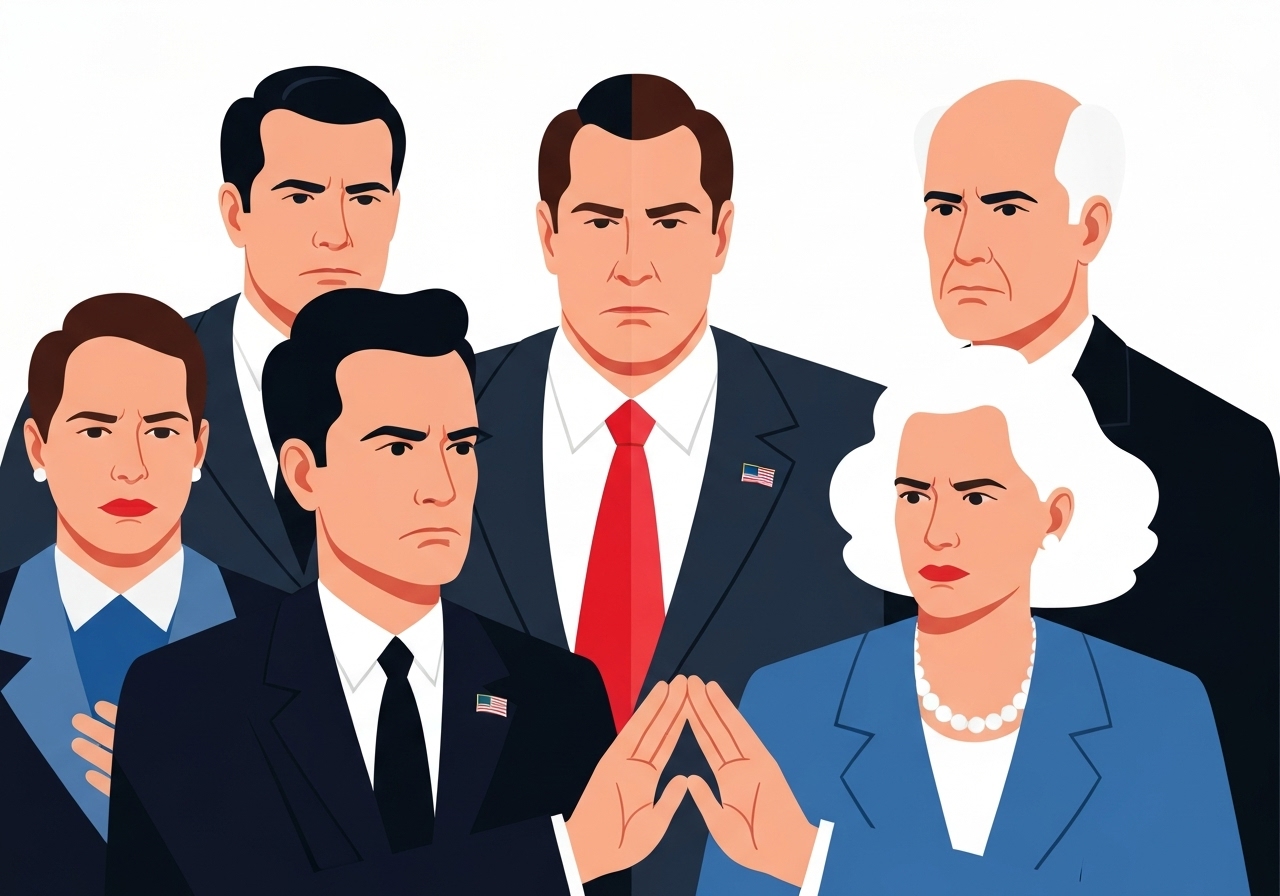
At the Halifax International Security Forum in Halifax, Nova Scotia on Saturday, a group of U.S. senators sharply criticized a 28-point Ukraine peace proposal linked to the Trump administration and the Kremlin. Lawmakers said the plan—drafted without Ukraine’s participation—accepts many Russian demands that Kyiv has repeatedly rejected and could reward aggression. Speakers including Sen. Angus King and Sen. Jeanne Shaheen described the proposal as a dangerous diplomatic misstep while others urged stronger U.S. messaging. The debate highlighted widening rifts in U.S. foreign policy as allies and domestic lawmakers weigh the plan’s implications.
Key Takeaways
- The proposal contains 28 points and was reported to have been prepared by the Trump administration in coordination with the Kremlin, reportedly without Ukraine’s involvement.
- Independent Sen. Angus King called the plan “one of the most serious geopolitical mistakes” of his lifetime and compared it to historical acts of appeasement.
- Republican Sen. Thom Tillis and Senate Republican leader Mitch McConnell urged firmer criticism; McConnell said the President should consider new advisors if the administration appears to appease Putin.
- Democratic Sen. Jeanne Shaheen labeled the plan a “Putin plan,” accusing the President of being outplayed by the Russian leader over the past 10 months.
- Russian President Vladimir Putin publicly welcomed the proposal late Friday as a possible basis for settlement if Ukraine and European partners agree.
- Ukrainian President Volodymyr Zelenskyy did not immediately reject the plan but stressed fair treatment and pledged to coordinate calmly with U.S. and other partners.
- The Halifax forum is in its 17th year and draws roughly 300 participants, including senators, military officials, diplomats and scholars.
- The Trump administration has limited participation of U.S. defense officials in think-tank events this year, and tensions with Canada over trade and rhetoric featured in forum discussions.
Background
The 28-point proposal surfaced amid intense international scrutiny of Ukraine’s future borders and sovereignty. According to attendees and reporting at the forum, the document reflects concessions that Ukrainian officials have consistently rejected, raising alarm among Western lawmakers. Historically, Western leaders have treated territorial concessions as a fraught pathway to peace when made under coercion; several senators referenced past episodes of appeasement to underscore their concerns. The Halifax International Security Forum, now an established venue for transatlantic security debate, provided a public forum for U.S. lawmakers to press their objections and signal bipartisan unease.
The forum’s annual gathering—held this year at Halifax’s Westin hotel—brings together defense officials, legislators and policy experts to discuss global security issues. This edition drew an unusually large Senate delegation amid strained U.S.-Canada relations and U.S. administration restrictions on defense participation in external think-tank events. Those domestic tensions, including disputes over tariffs and public remarks about Canada, provided additional context for the senators’ presence and remarks. For Ukraine, any externally proposed framework that presumes territorial concessions has been politically and practically unacceptable in Kyiv.
Main Event
At a panel session, Independent Sen. Angus King warned that the plan effectively rewards aggression and compared it to the 1938 Munich agreement—a reference used to stress the dangers of conceding to an armed aggressor. King said the international community should view the proposal as undermining legal and moral norms around territorial sovereignty. Several Republican senators, including Thom Tillis, said public statements by Senate leadership did not fully capture the severity of the problem and urged sharper rebukes to avoid signaling weakness.
Sen. Jeanne Shaheen, ranking member of the Senate Foreign Relations Committee, characterized the document as serving Russian interests and criticized the White House for allowing Putin to set the terms of negotiation. Shaheen connected the debate to broader bilateral tensions with Canada, saying trade tools and derogatory rhetoric have damaged allied relationships and complicated cooperation. Meanwhile, Senate Republican leader Mitch McConnell issued a statement urging the President to reassess advisors if the administration prioritized appeasing Putin over securing a durable peace.
Russian President Vladimir Putin publicly welcomed the proposal on Friday, suggesting it could serve as a basis for settlement if Ukraine and European partners consent. In Kyiv, President Volodymyr Zelenskyy stopped short of an outright rejection but emphasized fair treatment for Ukraine and a calm, coordinated approach with Washington and European allies. The interplay of public endorsements and guarded responses underscored the political complexity of translating proposals into credible, enforceable agreements.
Analysis & Implications
If adopted in any form, a plan that cedes de facto control of contested regions risks eroding deterrence by signaling that territorial conquest can be rewarded through diplomacy. Several senators warned that such a signal could encourage other authoritarian leaders to press territorial or coercive advantages, heightening broader geopolitical instability. The comparison to historical appeasement frames the debate in reputational as well as strategic terms: lawmakers fear damage to U.S. credibility among NATO allies and partner states.
Domestically, the incident reveals growing fractures between the White House’s diplomatic approach and congressional bipartisan consensus on supporting Ukraine’s sovereignty. That divide complicates U.S. negotiating leverage: allies monitor whether Washington can present a unified front, and any perceived inconsistency could reduce Kyiv’s bargaining power. For Ukraine, appearing to accept terms interpreted as territorial concessions would carry severe political costs internally and could weaken the battlefield and diplomatic posture.
Regionally, European allies will weigh their own security commitments against any shift in U.S. posture. If the plan gains traction, NATO cohesion could be tested as member states decide whether to endorse or oppose terms seen as favorable to Russia. Economically, ongoing trade tensions referenced at the forum—particularly between the U.S. and Canada—add friction to diplomatic coordination on sanctions, defense cooperation and humanitarian assistance to Ukraine.
Comparison & Data
| Item | Fact |
|---|---|
| Peace-plan points | 28 |
| Forum year | 17th annual Halifax International Security Forum |
| Approximate attendance | ~300 participants |
The quick table summarizes key numeric facts cited at the forum: a 28-point proposal, the forum’s 17th edition and roughly 300 attendees. These baseline figures frame the scale of the public reaction and the forum’s role as a convening space for transatlantic security discourse. The data do not quantify how many senators opposed the plan formally, but coverage emphasized a substantial bipartisan delegation voicing concern.
Reactions & Quotes
Speakers at the forum voiced pointed criticism and framed the proposal as materially rewarding Russian objectives. Below are brief representative remarks and their context.
“This is one of the most serious geopolitical mistakes in my lifetime.”
Sen. Angus King (panel remarks)
King used a historical analogy to stress that conceding territory under duress risks setting a dangerous precedent and undermines established norms against aggression.
“If the administration is more concerned with appeasing Putin than securing real peace, the President should find new advisors.”
Sen. Mitch McConnell (statement)
McConnell’s statement, echoed by other senators, called for a reassessment of adviser influence and warned against policies that might be read as capitulation to Kremlin objectives.
“That’s a Putin plan—written for what Russia wants to see.”
Sen. Jeanne Shaheen (panel remarks)
Shaheen directly attributed the document’s contours to Russian priorities and criticized the administration’s handling of the last year of interactions with Moscow.
Unconfirmed
- The full text and detailed provenance of the 28-point proposal have not been publicly released in a single official document for independent review.
- How extensively the Kremlin and White House coordinated the plan’s drafting—beyond public statements—has not been independently verified.
- Whether Ukraine or key European allies will formally accept any elements of the proposal remains unresolved and subject to further negotiation.
Bottom Line
The Halifax forum made clear that a significant bipartisan group of U.S. senators view the reported 28-point proposal as rewarding Russian demands and undermining long-standing principles of sovereignty. Their remarks signal that Congress may push back on any diplomatic course perceived as granting Moscow a political victory without Kyiv’s consent. The public rebuke also raises the political cost for U.S. policymakers who might consider endorsing elements of the plan.
Going forward, watch for whether the plan’s text becomes public, how Kyiv and major European capitals respond, and whether Congress takes formal steps—hearings or resolutions—to constrain administration action. The episode underscores how international forums can amplify domestic political debates and shape the contours of diplomacy in real time.
Sources
- ABC News (news reporting summarizing statements at the Halifax International Security Forum)
- Halifax International Security Forum (official organizer information on the forum and participants)