
Lead
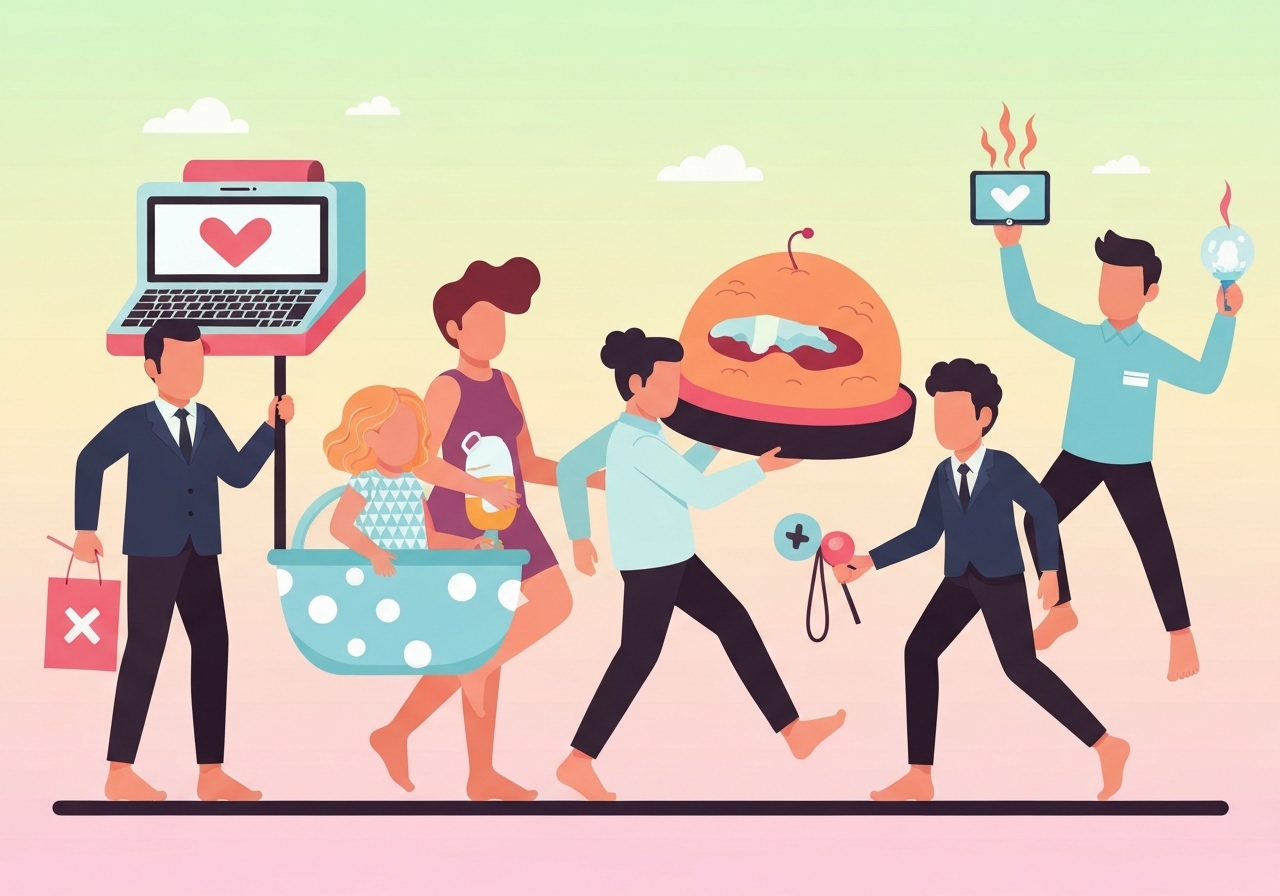
Over the past year, a number of Silicon Valley startups have rolled out informal workplace perks — from “no shoes” policies to stocked nicotine pouches and etiquette classes — as they readjust after calling staff back to offices. Companies including Cursor, Notion, Gusto, Supercell and several AI startups have been named in reporting as experimenting with these measures to retain and attract younger workers, particularly Gen Z. Employers say the changes aim to restore some of the comforts employees lost while working from home; critics say the efforts risk being superficial or tone-deaf. The result is a visible scramble across parts of tech to translate remote-era comforts into in-office culture tweaks.
Key Takeaways
- Multiple startups have adopted informal “no shoes” policies; an employee-built tracker, Noshoes.fun, lists firms like Cursor, Notion, Gusto, Supercell, Replicate and Rime Labs.
- Reporting by major outlets shows at least some offices have begun offering nicotine pouches such as Zyn at on-site snack areas, expanding perk definitions beyond traditional benefits.
- Companies are experimenting with etiquette or soft-skills training for younger employees, reportedly to ease transitions back to shared workplaces.
- Employers frame many changes as efforts to replicate home comforts lost after return-to-office mandates introduced last year.
- Observers note a broader cultural mismatch: executives often describe Gen Z with labels like “entitled” or “undisciplined,” while younger workers emphasize work-life boundaries and respect.
- These experiments are uneven and appear concentrated in startups and tech firms with younger workforces rather than industry-wide policy shifts.
- Some measures have prompted debate over whether perks address underlying workplace issues such as hours, flexibility and manager practices.
Background
After a wave of return-to-office pushes last year, many firms in tech moved from remote-first policies back toward on-site work. That shift left companies searching for ways to maintain morale and productivity while countering employee attrition. Startups in particular, competing for talent in a softening labour market, have tested low-cost culture tweaks to stand out in hiring conversations.
Gen Z — broadly workers born in the late 1990s through the 2010s — entered the job market under pandemic conditions that altered socialization and work expectations. Some employers view the cohort as preferring clearer boundaries and different benefits compared with older generations; employees and analysts counter that the generation’s demands are often responses to economic realities and workplace practices.
Main Event
One visible trend is the emergence of so-called “no shoes” offices, where companies encourage staff to remove footwear indoors. The phenomenon has been catalogued by a public tracker, Noshoes.fun, created by Ben Lang of Cursor, and referenced in reporting that identifies several prominent startups and smaller firms embracing the idea. Proponents say the policy is meant to increase comfort and make the office feel less formal.
Separately, reporting indicates some workplaces have begun supplying nicotine pouches and similar products in communal snack areas. Business outlets have named a range of companies where employees found such items available; company motivations reported include offering quick stress-relief options or mirroring perceived employee preferences. These practices have raised questions about workplace health norms and whether employers should supply substances that have health implications.
Another response has been scaled-up soft-skills or etiquette sessions aimed at younger staff. Employers who adopt this approach portray it as support: training on in-person meeting norms, networking, and office etiquette to help employees who missed formative social experiences during pandemic lockdowns. Critics, however, view mandatory or strongly encouraged classes as attempts to adapt workers to pre-pandemic workplace expectations rather than addressing structural workplace culture issues.
Analysis & Implications
Superficial perks can be low-cost and visible signals of an employer’s attentiveness, but they do not substitute for substantive policy changes. Flexible scheduling, clear boundaries around email and after-hours work, transparent promotion pathways and manager training typically have larger effects on retention than ephemeral office novelties. If companies rely primarily on gimmicks, they risk short-term optics gains without solving deeper dissatisfaction drivers.
The demographic tilt of many tech offices toward younger employees means firms are experimenting to discover what resonates with Gen Z candidates. But Gen Z is not monolithic: while some welcome relaxed dress and comfort cues, others prioritise pay, benefits, predictable hours and mental-health supports. Employers that conflate style signals with systemic support may misallocate resources and miss retention targets.
There are also regulatory and reputational risks. Providing nicotine products on-site raises questions about workplace liability, health policy compliance and the message it sends about employer responsibility for employee wellbeing. Companies will need to weigh legal and public-health counsel before normalizing substances as perks.
Comparison & Data
| Perk | Examples (reported) | Stated purpose |
|---|---|---|
| No-shoes policy | Cursor, Notion, Gusto, Supercell, Replicate, Rime Labs | Create a more relaxed, home-like office environment |
| Stocked nicotine pouches | Selected startups and offices (reported by media) | Provide quick stress relief or match employee habits |
| Etiquette/soft-skills classes | Multiple companies reported offering training | Help employees navigate in-person norms and professional interactions |
The table summarizes reported practices collected from recent news coverage; these initiatives vary in scale and prevalence. The measures tend to be concentrated in firms with younger headcounts and are less common in larger, more regulated corporations. Observers say measurable retention or productivity gains from such small-scale perks are not yet well documented.
Reactions & Quotes
“The ‘no shoes’ movement has picked up steam at startups,”
The New York Times (as reported)
The phrasing above was used in reporting that described how a small but growing set of firms are allowing employees to work without shoes as part of a broader push to make offices feel less formal.
“Some offices have begun filling snack bars with nicotine pouches,”
The Wall Street Journal (as reported)
This short excerpt reflects coverage noting the emergence of nicotine pouches at workplace snack areas and the ensuing debate about appropriateness and health implications.
“Companies are sending employees to etiquette classes to help with mixed-company settings,”
CBS News (as reported)
CBS coverage framed etiquette training as both a supportive measure for newer employees and, to some observers, a sign of managerial discomfort with changing generational norms.
Unconfirmed
- Whether the presence of nicotine pouches in an office is company-sanctioned or the result of employee initiative is not always clear from reporting.
- The degree to which shoeless policies materially improve long-term retention or productivity lacks rigorous, published measurement.
- Claims that specific perks are deployed to mollify workers after particular stressful product launches are anecdotal and not universally verified.
Bottom Line
What started as a scramble to recreate home comforts in offices has produced a patchwork of experiments: casual dress norms, unexpected snack-bar items and training classes. These moves are signals — they tell prospective hires something about workplace culture — but they are limited substitutes for deeper policy changes. Employers seeking sustainable retention gains should prioritize pay, predictable work practices and manager development over purely cosmetic perks.
For Gen Z workers, the most persuasive offers will likely combine some cultural flexibility with tangible supports: reliable hours, mental-health resources, clear advancement tracks and competitive compensation. Observers and HR leaders should watch whether these small-scale experiments evolve into substantive policy shifts or remain ephemeral attempts at optics.
Sources
- Gizmodo — tech news outlet (original aggregated report)
- The New York Times — major newspaper (coverage referenced on office “no shoes” trend)
- The Wall Street Journal — major newspaper (coverage referenced on nicotine pouches in offices)
- CBS News — broadcast news (coverage referenced on etiquette training)