
Lead
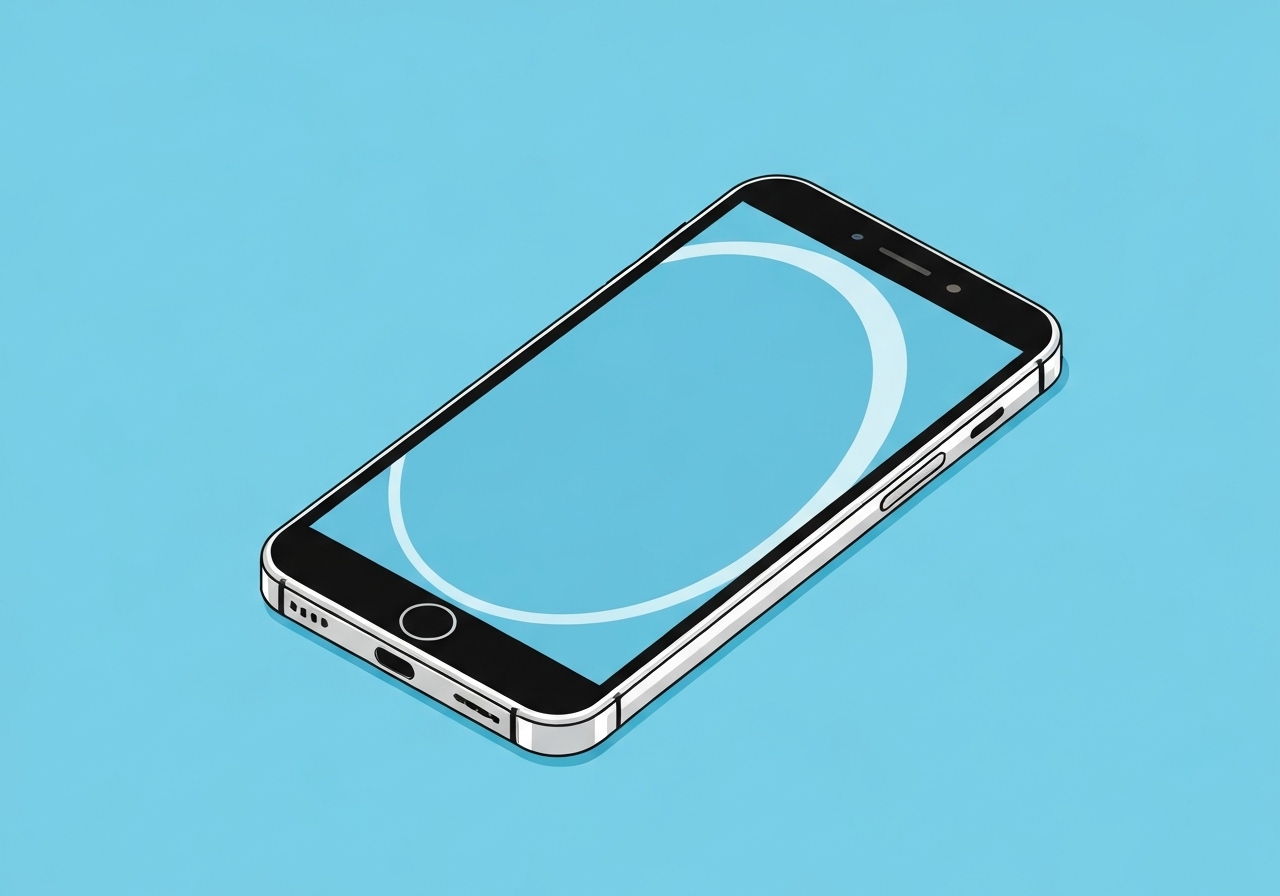
Apple unveiled the iPhone Air at its Cupertino event on , introducing the company’s thinnest handset at 5.6 millimetres. The device pairs a titanium frame and Apple’s new A19 Pro chip with a single rear camera and a price positioned roughly $100 below Samsung’s Galaxy S25 Edge. Analysts say the Air’s radical slimness and mid‑tier pricing could spur upgrades during the holiday season, though questions remain about real‑world battery life and camera trade‑offs.
Key Takeaways
- The iPhone Air measures 5.6 mm thick, thinner than Samsung’s S25 Edge at 5.8 mm, and uses a titanium frame with “ceramic shield” glass.
- It ships with Apple’s new A19 Pro processor and two custom communications chips designed to improve efficiency and connectivity.
- The Air has a single rear camera, one fewer than the base iPhone 17, while Pro models retain multi‑camera arrays.
- Apple priced the Air in the middle of its lineup and about $100 below Samsung’s S25 Edge, a move analysts expect to boost sales.
- IDC reported the Galaxy S25 Edge shipped 1 million units in Q2; analysts forecast the Air could outperform that pace in peak season.
- Mainstream commentators praised the design, but industry experts flagged battery capacity and the absence of headline AI features as open questions.
- Analysts suggested the Air may help Apple regain share in markets such as China where slimmer rivals have gained traction.
Background
Apple’s move to a markedly thinner phone revives a design impulse last associated with the MacBook Air — the product Steve Jobs famously pulled from an envelope in 2008. For years Apple’s iPhone line drew criticism from some users and analysts for incremental updates and a perceived homogenization across flagship models. Competitors, particularly in Asia, have introduced very slim handsets that attracted consumers looking for striking industrial design and portability.
The smartphone market has settled into clear tiers: mainstream, premium, and ultra‑premium. Apple’s lineup has traditionally spanned those tiers, but rising competition and shifting consumer priorities — from camera performance to form factor — have pressured incumbents to reassert differentiation. Apple’s engineering emphasis on custom silicon and miniaturization reflects both a long‑term chip strategy and a tactical response to rivals’ form‑factor gains.
Main Event
At Apple’s Steve Jobs Theater, CEO Tim Cook framed the iPhone Air around design principles, quoting Jobs to emphasize that design encompasses function as well as form. The Air’s 5.6 mm thickness was the headline figure, made possible by shrinking internal circuitry “to the size of a few postage stamps,” according to Apple’s presentation. The company also highlighted a titanium frame and ceramic shield glass as durability measures to offset the risks of a thinner chassis.
Under the hood the Air is built around the A19 Pro chip — tuned for on‑device artificial intelligence tasks — and two newly custom communications chips intended to balance performance and power draw. Unlike the iPhone 17 base model, the Air includes a single rear camera, a notable reduction compared with Pro models that carry additional lenses and sensors. Apple presented battery capacity claims intended to reassure users, but did not publish detailed third‑party test results at launch.
Price positioning was a central theme: Apple set the Air below the debut price of Samsung’s Galaxy S25 Edge, a handset that shipped around 1 million units in Q2 per IDC. Presenters and analysts suggested the Air’s combination of distinctive design, modern silicon and aggressive pricing makes it a candidate for substantial holiday season upgrades and replacement cycles.
Analysis & Implications
The iPhone Air’s narrow profile is a technical achievement, but thin bodies force trade‑offs. Reducing internal volume affects battery capacity, antenna placement and thermal headroom — each of which can influence day‑to‑day user experience. Apple has long leaned on tight integration between hardware and software to eke out efficiency gains; the A19 Pro and the new comms chips are meant to offset smaller batteries with superior power management.
Camera capability is another trade‑off. Offering only one rear camera simplifies the internal layout and helps keep the device thin, but it limits optical versatility compared with dual‑ or triple‑lens systems. That positioning suggests Apple is targeting users who prioritize design and portability over advanced photography, or who are willing to pay up for Pro models when camera features matter.
On artificial intelligence, the Air ships with silicon tuned for on‑device AI tasks, yet Apple did not present new software features that would clearly close the gap with rivals such as Google and its Gemini integrations. If compelling AI features arrive via software updates, Apple could leverage the A19 Pro later; until then, AI remains a comparative advantage for some Android rivals.
Geopolitically and commercially, a successful Air could help Apple slow recent share erosion in China and other markets where slimness and aggressive pricing influenced buyer behavior. The device’s middle‑price positioning means it could attract both upgrades from older iPhones and defections from price‑sensitive Android users, especially during the crucial holiday quarter.
Comparison & Data
| Model | Thickness | Rear Cameras | Intro Price vs S25 Edge | Reported S25 Edge Q2 Shipments |
|---|---|---|---|---|
| iPhone Air | 5.6 mm | 1 | ~$100 cheaper | — |
| Samsung Galaxy S25 Edge | 5.8 mm | Multiple | Reference | 1,000,000 (Q2, IDC) |
The table highlights the core competitive points: the Air’s thinner body and reduced camera count versus Samsung’s Edge, and a deliberate price gap. Industry shipment figures from IDC show the S25 Edge shipped about 1 million units in Q2; analysts cited that as a benchmark the Air could exceed during peak buying season if consumer response matches early impressions.
Reactions & Quotes
Influencers and industry analysts reacted quickly after hands‑on time at the Steve Jobs Theater. Social commentators focused on build and materials, while market analysts emphasized pricing and potential sales impact.
“I heard loud claps the moment it was announced,”
Gaurav Chaudhary, YouTuber (Technical Guruji)
Chaudhary praised the titanium frame and ceramic shield, saying the device felt noticeably different in hand. He expressed cautious optimism but underscored the need for independent battery testing to confirm Apple’s claims.
“The design reinvigorates the whole segment of iPhone,”
Paolo Pescatore, PP Foresight (Industry analyst)
Pescatore framed the Air as a product that could break the sameness critics have pointed to in recent phone cycles, potentially stimulating upgrades and renewed consumer interest across tiers.
“It will be critical to confirm whether it can live up to Apple’s battery life claims,”
Ben Bajarin, Creative Strategies (Technology consultant)
Bajarin highlighted Apple’s decade‑long investment in custom silicon as a mitigating factor for battery concerns, but emphasized that real‑world battery performance is a pivotal verification point for consumer acceptance.
Unconfirmed
- Whether the iPhone Air’s battery life will match Apple’s stated claims in independent tests; lab and third‑party benchmarks remain pending.
- Exact shipment forecasts for the Air in Q4; analyst projections vary and official carrier pre‑orders will provide clearer indicators.
- Details on forthcoming AI software features optimized for the A19 Pro; Apple did not announce major AI capabilities at launch.
Bottom Line
The iPhone Air represents a calculated design pivot: Apple has prioritized slimness and material quality while leaning on new silicon to preserve performance and efficiency. That combination — distinctive industrial design, modern chips and a competitive price point — could make the Air a strong contender in the holiday upgrade cycle, particularly among buyers who value form and portability.
Yet the product’s ultimate impact depends on measurable outcomes: independent battery tests, buyer acceptance of a single rear camera, and whether Apple follows with compelling AI and software features that exploit the A19 Pro. Investors and consumers should watch early reviews and pre‑order data for clearer signals of market reception.
Sources
- Reuters — News report covering Apple’s Sept 9, 2025 product event and analyst reactions (news).
- Apple Newsroom — Official Apple announcements and product pages (official).
- IDC — Industry research firm cited for smartphone shipment figures (industry research).
- Creative Strategies — Technology consultancy quoted on device strategy and user experience (consultancy).