
Lead
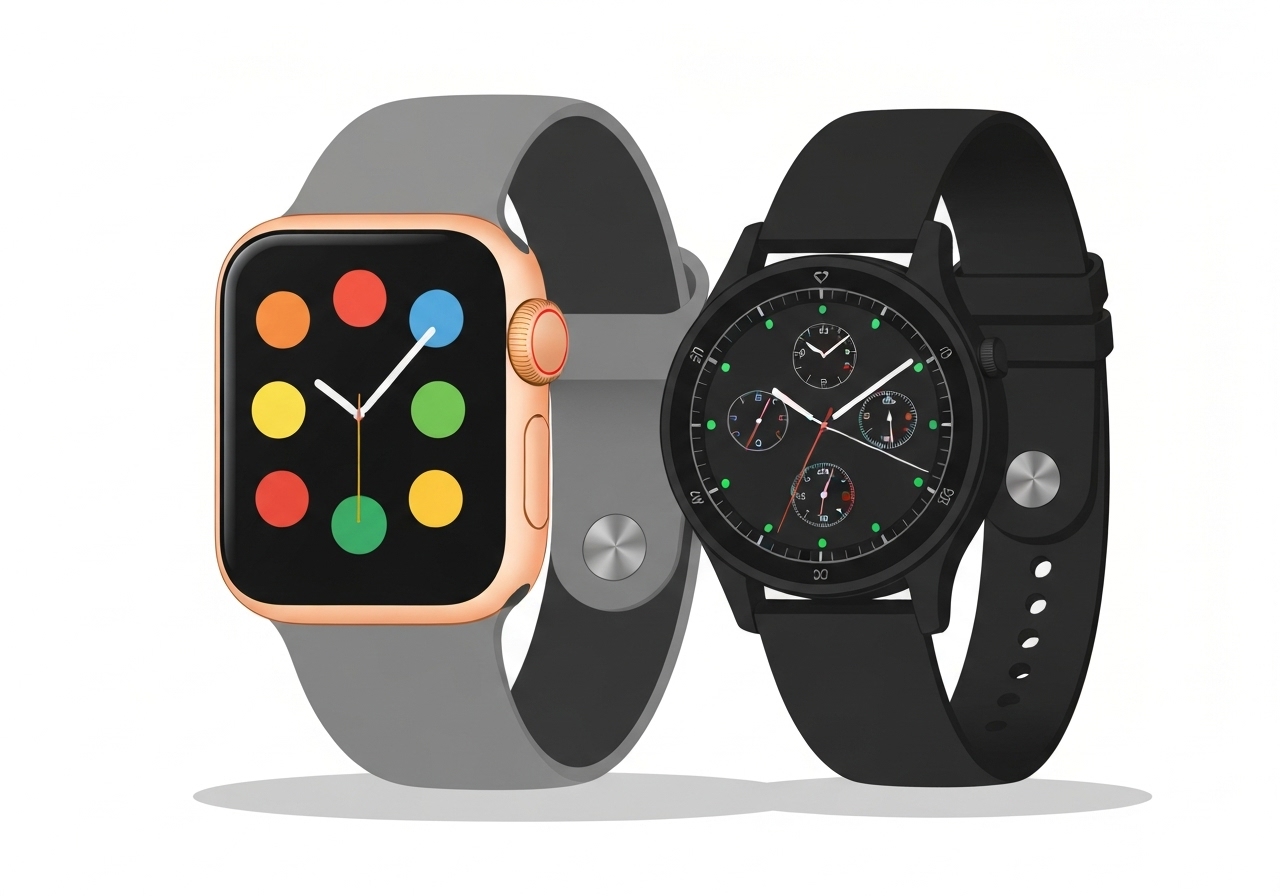
At a local 5km parkrun on a Saturday morning, BBC reporter Ruth Clegg finds herself and almost every runner checking wrist devices before the start and again through the race. Smartwatches from makers such as Apple, Samsung, Garmin and Fitbit now measure heart rate, sleep, blood oxygen and more — and many users wear them around the clock. While some owners report improved habits, others describe stress and obsession triggered by constant feedback. The net result is a mix of clear benefits and emerging concerns about interpretation, anxiety and healthcare use.
Key Takeaways
- Smartwatches are mainstream: devices from Apple, Samsung, Garmin, Huawei and Fitbit dominate a multi‑billion pound market and cost roughly £100 to several thousand pounds depending on model and features.
- The sensors used commonly include photoplethysmography (LED pulse monitoring), accelerometers, GPS and, on some models, ECG capability and SpO2 measurement.
- Wearables can detect arrhythmias such as atrial fibrillation (AF) and provide early warning signs; experts stress this is not the same as predicting an imminent heart attack but may indicate higher long‑term risk.
- Clinical research cited found about 20% of a small cardiovascular cohort given wearables experienced increased anxiety and were likelier to use healthcare resources after monitoring their readings.
- Device readings are not laboratory‑grade: GPS and wrist placement introduce errors, so many experts recommend using wearables as personal baselines rather than absolute measures.
- Some users report real behaviour change — for example, improved sleep habits after tracking — while others describe a ‘love–hate’ cycle of constant checking and stress.
- There is a growing tension between potential life‑saving detection and the risk of creating a population of the ‘worried well’ who over‑interpret data.
Background
Wearable activity trackers and smartwatches have moved from novelty gadgets to everyday items in a few years. Major consumer brands expanded capabilities from basic step counts to a suite of physiological measurements: continuous heart rate, sleep staging, blood oxygen saturation, estimates of VO2 max and, in some devices, electrocardiograms (ECGs) for rhythm analysis. The hardware improvements — better optical sensors, on‑board processors and machine learning — are matched by an expanding software ecosystem that delivers alerts, trends and coaching prompts.
The shift has outpaced regulatory and clinical guidance. Many watches are marketed with health features that mimic medical tests, but most are not classed as regulated medical devices and therefore are not held to the same accuracy standards as clinical instruments. That regulatory gap, paired with aggressive messaging and gamified nudges, has created new expectations about what a wrist device can and should deliver.
Main Event
At the parkrun start line Ruth observed a common ritual: a last check of GPS and pace before sprinting off. Several runners paused until their watches reported a lock on satellite signal. For some the device was a performance aid; for others it shaped a pre‑race anxiety about being ‘off pace’. Rachael Fairclough of St Helens, who recently became a mother, described feeling overwhelmed by non‑fitness notifications — productivity nudges and sleep‑quality alerts that felt insensitive to her postpartum reality.
Vendors design watches to run 24/7 and interpret physiological signals in near real time. A typical optical sensor shines green LEDs onto the skin to sense blood flow and infer pulse; more advanced models add electrical sensors to detect cardiac rhythm. Professor Niels Peek, a data scientist at the University of Manchester, says the technology has a double edge: it could spot disease earlier but also inflate worry among healthy users who misread or overreact to measurements.
Clinical psychologist and cardiology researcher Lindsey Rosman reported that, in her small study of cardiovascular patients issued wearables, roughly one in five developed anxiety related to readings and used more healthcare services. The pattern her team noted was repetitive checking: patients see a worrying metric, feel anxious, check the device again, and thereby elevate their heart rate — a feedback loop that can reinforce concern rather than calm it.
Other users report positive changes. Mark Morton, who uses a Whoop strap, says daily recovery and sleep data prompted lifestyle changes — cooler rooms, earlier evenings and reduced late alcohol — and demonstrably improved how he feels when waking. Dr Kelly Bowden‑Davies of Manchester Metropolitan University cautions that watches do not give laboratory‑quality measurements but are valuable for tracking personal trends: they show whether you are improving or regressing relative to your own baseline.
Back at the parkrun, Ruth finished in 22 minutes 28 seconds, checked her data and reflected on the familiar mix of satisfaction and immediate scrutiny — the impulse to interrogate every pace spike and GPS blip before the post‑run coffee.
Analysis & Implications
The expansion of smartwatch metrics creates both public‑health opportunities and systemic challenges. On one hand, wider adoption of ECG and arrhythmia screening algorithms can identify undiagnosed atrial fibrillation and prompt earlier clinical review, which may reduce stroke risk for some users. Public‑health campaigns could leverage this passive screening potential in targeted groups where prevalence is higher.
On the other hand, false positives and ambiguous signals risk increasing anxiety and demand on primary care services. Rosman’s findings, although from a small cohort, echo broader concerns that continuous self‑monitoring without clear interpretation pathways can convert benign variations into medical concerns. This dynamic could drive unnecessary appointments, tests and treatments.
Device manufacturers, clinicians and regulators will need clearer boundaries for what consumer wearables should report automatically, when to advise clinical follow‑up, and how to present uncertainty. Improving health‑data literacy among users is essential: contextualised trends and probabilistic messaging may reduce misinterpretation compared with raw single‑point alerts.
There are socio‑economic implications as well. Premium models with advanced sensors cost hundreds to thousands of pounds, potentially widening a digital‑health gap where better monitoring and early alerts are available primarily to those who can afford them. Policymakers might consider how to integrate validated wearable data into care pathways equitably, and where to fund community programmes that interpret results for high‑risk populations.
Comparison & Data
| Brand / Device Type | Typical Price Range | Common Metrics | Advanced Features |
|---|---|---|---|
| Apple Watch | £200–£1,000+ | HR, sleep estimates, GPS, steps | ECG, fall detection, SpO2 |
| Samsung Galaxy Watch | £150–£500+ | HR, steps, GPS, sleep | ECG (select models), SpO2 |
| Garmin | £100–£700+ | GPS, HR, VO2 max, training metrics | Advanced sport metrics, multisport modes |
| Fitbit / Google | £100–£300+ | Steps, HR, sleep stages | SpO2, stress scores (model dependent) |
The table summarises mainstream brands and typical capabilities; prices vary by model and region. These devices excel at longitudinal tracking — spotting changes over weeks and months — but are prone to instantaneous errors tied to sensor position, motion and environmental factors.
Reactions & Quotes
Users and experts describe a spectrum of responses from comfort to frustration. Some extracts below capture that range and the contexts in which they arise.
“It drives me insane, I can’t switch off.”
Parkrun participant (participant comment)
This reflects the experience of users who feel notifications and continuous metrics intrude on daily life, especially when the device flags concerns that do not match subjective experience.
“I could, I suppose, but I’ve got this love‑hate relationship with it.”
Rachael Fairclough, smartwatch user, St Helens
Rachael’s remark highlights the tension between the utility of fitness data and the emotional cost of non‑fitness alerts such as productivity nudges or sleep criticism after becoming a parent.
“It’s completely changed my attitude to sleep.”
Mark Morton, Whoop user
Mark’s comment illustrates a beneficial pathway: clear, consistent sleep data led to behavioural changes that improved his subjective sleep quality and daily functioning.
Unconfirmed
- Whether a single parkrun GPS glitch was caused by tree cover rather than temporary device software latency — the immediate cause is not independently verified.
- The long‑term population health impact of widespread consumer ECG screening (net harm vs net benefit) is unresolved and requires larger, prospective trials.
- The scale of extra primary‑care appointments driven specifically by consumer wearable alerts across national systems remains incompletely measured.
Bottom Line
Smartwatches now offer a suite of measurements that can nudge healthier behaviour, spot concerning rhythms earlier than might otherwise be detected and provide motivating feedback for physical activity. For some users these devices are transformative in small but meaningful ways, such as improved sleep routines or better training habits.
However, the same features can create anxiety, fuel repetitive checking, and generate demand for medical review when data are ambiguous. Users and clinicians should treat wearable outputs as personal trend indicators rather than definitive clinical diagnostics. Clearer guidance from manufacturers and health services, better user education about uncertainty, and more robust clinical validation would help maximise benefit while reducing harm.