
Lead
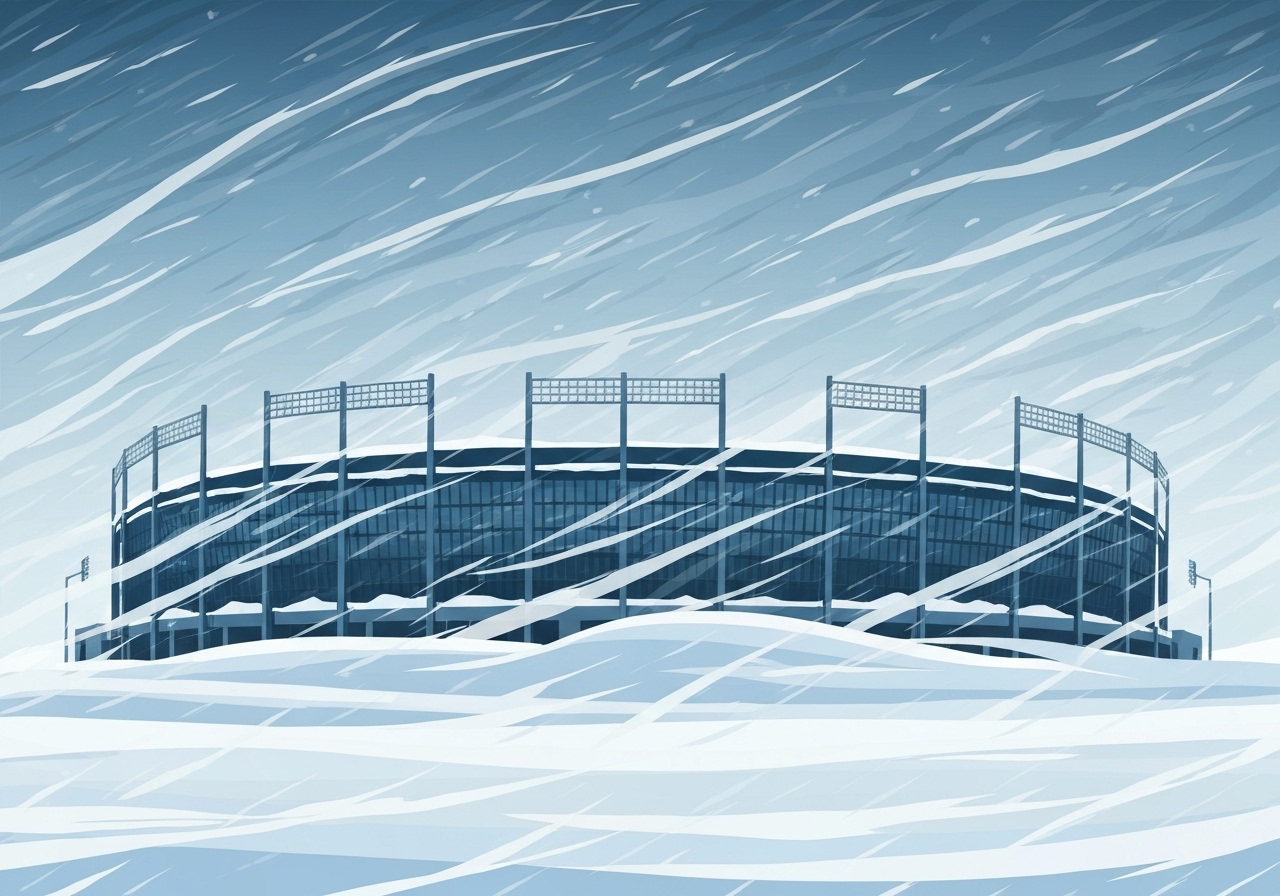
Who: Green Bay Packers vs. Chicago Bears. When: Saturday night, kickoff at 7:00 p.m. local. Where: Soldier Field, Chicago. What: Forecast models call for snow flurries with wind gusts up to 30 mph and an air temperature near 32°F, with lake-driven winds producing a significantly colder wind chill. Result: Weather will be a material factor in game-day conditions and could affect play, turnout and field management.
Key Takeaways
- Kickoff is scheduled for 7:00 p.m. local time Saturday at Soldier Field in Chicago.
- Forecasts call for snow flurries and peak wind gusts up to 30 mph around kickoff.
- Air temperature is expected to be about 32°F; wind off Lake Michigan will create a lower wind‑chill.
- This will be the third notable cold-weather matchup between the rivals in five weeks: 16°F in Green Bay on Dec. 7 and 37°F in Chicago on Dec. 20.
- During the regular season each team won at home; the Packers enter as 1.5-point favorites in Chicago.
- Strong gusts and accumulating snow could affect traction, passing efficiency and special teams play.
- Game-day operations and league officials will monitor forecasts for any field-preparation or safety adjustments.
Background
The Packers and Bears are longtime NFC North rivals whose home-and-home schedule this season produced late-season games in both cities. The NFL calendar placed the two regular-season meetings in December, producing sharply different conditions: a 16°F contest in Green Bay on December 7 and a 37°F game at Soldier Field on December 20. Those results mean this postseason meeting will be the third cold-weather encounter between the clubs within a five-week span.
Chicago’s proximity to Lake Michigan often amplifies wind and wind-chill effects, so even marginal temperatures near freezing can feel markedly colder on the stadium turf. Professional game operations teams routinely prepare for such conditions with additional field maintenance, heating measures, and equipment plans for players and officials. Betting markets and team game plans also adapt to expected conditions when wind and precipitation are likely.
Main Event
Forecast models indicate snow flurries during the 7:00 p.m. kickoff window, with gusts up to 30 mph. Meteorologists describe the wind as lake-enhanced, meaning gusts coming off Lake Michigan will both lower wind chill and complicate kicking and passing strategies. With the thermometer near 32°F, visible snow is possible without heavy accumulation depending on timing and storm track.
On-field implications include reduced ball-carry grip, lower air density for long kicks, and greater challenge for wide receivers on contested catches. Special teams — punts and field goals — are particularly sensitive to crosswinds and gusts; coaching staffs typically adjust return formations and kicking strategies in real time. Turf crews at Soldier Field will be on notice to address potential light accumulation or slick spots before and during the game.
From a competitive angle, the regular season split — each team won at home — sets up a close playoff contest. The Packers enter as 1.5-point favorites in Chicago, a spread that reflects both team form and market expectations about how conditions might influence the outcome. Oddsmakers can change lines as late as game day if forecast certainty increases or injury reports alter team availability.
Analysis & Implications
Weather of this type tends to favor a more conservative offensive approach. In snow and strong winds, teams typically increase rushing attempts, shorten passing routes and prioritize ball security. Turnover rates historically tick up in cold, windy, or snowy conditions because of gripping issues and more contested plays downfield. Coaches aware of these dynamics may game-plan to control the clock and lean on veteran ball-handlers.
Economically and operationally, cold-weather playoff games can influence attendance, local transit loads and stadium staffing. While Soldier Field routinely hosts games in winter, stronger winds and precipitation can slow ingress and egress and require extra on-site medical and public-safety resources. Concessions and merchandise sales patterns also shift as spectators dress for colder weather and may reduce time spent moving around concourses.
Television and broadcast production face technical considerations too: camera operators and sideline microphones contend with wind noise and rapid temperature-driven equipment behavior. Networks often stage additional redundant systems and adjust mic placement to preserve audio clarity. From a betting-market perspective, weather volatility can tighten or widen point spreads and totals; bettors who value weather as a factor may adjust risk accordingly.
Comparison & Data
| Date | Location | Reported Temp | Context |
|---|---|---|---|
| Dec. 7 | Green Bay | 16°F | Regular-season home win (coldest of the three) |
| Dec. 20 | Chicago (Soldier Field) | 37°F | Regular-season home win (milder by comparison) |
| Upcoming Saturday | Chicago (Soldier Field) | ~32°F with gusts to 30 mph | Forecasted kickoff conditions; wind chill expected lower |
The table shows this game slots between two recent extremes: a notably frigid Green Bay game and a milder late-December Chicago contest. Forecasted gusts to 30 mph elevate this matchup’s operational and competitive risk beyond what the air temperature alone suggests. Coaches and operations teams will likely point to the wind component as the decisive weather variable for play-calling and field prep.
Reactions & Quotes
Officials and teams have acknowledged close monitoring of forecasts as part of routine pregame preparation.
“Snow flurries and wind gusts up to 30 mph are expected around kickoff.”
Local forecast summary (media)
Stadium and league officials routinely emphasize that safety decisions will follow official weather briefings and field inspections.
“Game-day operations will continue to assess conditions and implement standard cold-weather protocols as needed.”
Team/game-day operations (official statement)
Public reaction among fans often mixes excitement about a traditional, gritty rivalry game with practical concerns about travel and comfort.
“Fans are bracing for a classic cold-weather rivalry environment — it adds to the spectacle but requires more planning for travel and clothing.”
Local sports commentator (media)
Unconfirmed
- Exact snowfall accumulation during the game is not certain; models disagree on amounts and timing.
- Whether gusts will reach the top-end forecast of 30 mph at kickoff remains subject to short-term forecast updates.
- Any late changes to the 1.5-point spread or player availability after official injury reports are unconfirmed until released.
Bottom Line
This Saturday night’s Packers-Bears playoff game is set up to be played in conditions that materially affect strategy and operations: snow flurries near 32°F with gusts up to 30 mph. Coaches should favor conservative, ball-control approaches while special teams brace for wind-driven variation. Fans planning to attend should prepare for colder wind chills than the thermometer suggests and expect possible operational slowdowns on arrival and departure.
League and stadium officials will monitor forecasts through game day; bettors and broadcasters should treat the wind component as the clearest variable likely to change game dynamics. While the matchup promises classic rivalry drama, weather — especially gusty, lake-enhanced winds — may be the most decisive factor on Saturday night.