
Lead
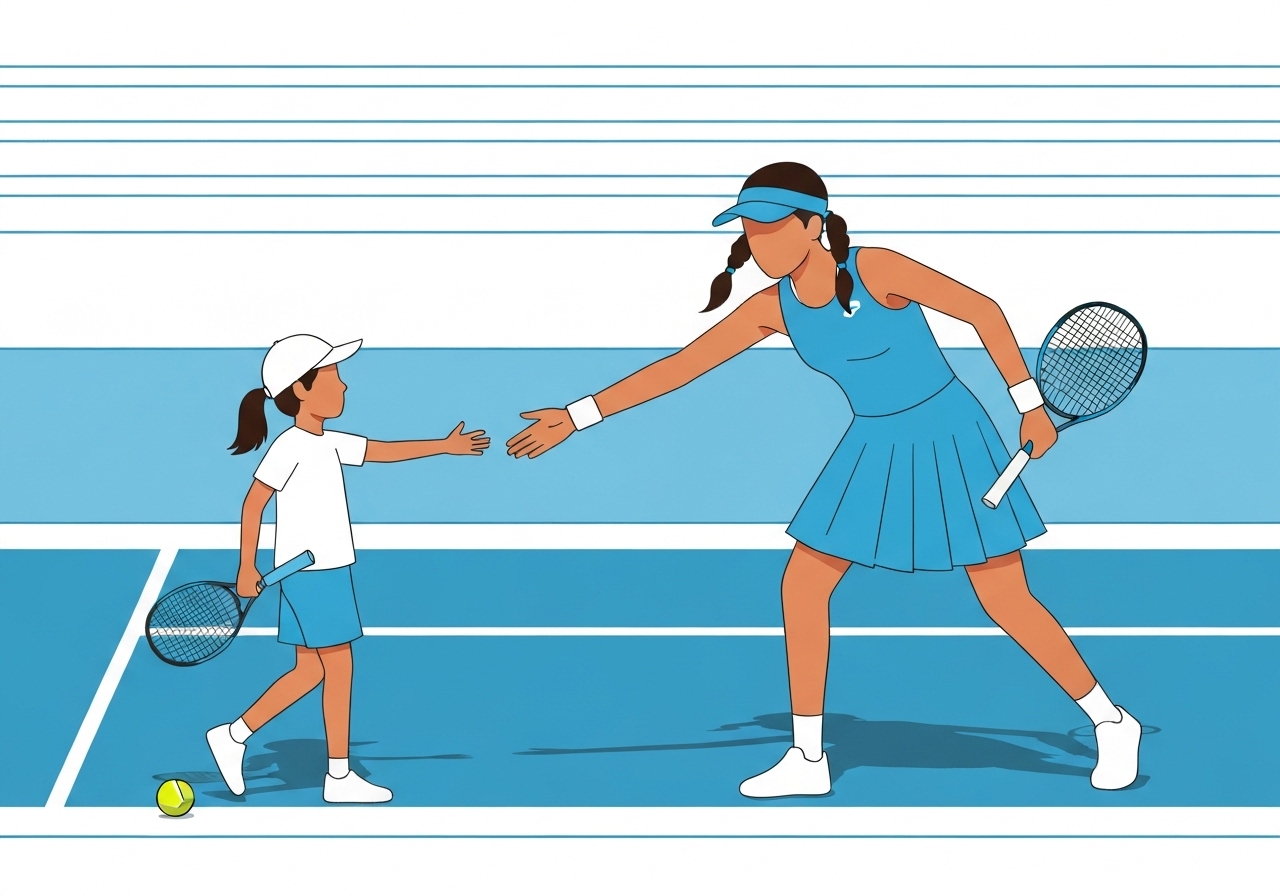
On Sunday in Melbourne, Turkish qualifier Zeynep Sönmez intervened to assist an ailing ballkid during her first-round match at the Australian Open at 1573 Arena. The incident occurred in the ninth game of the second set when the ballkid wobbled and collapsed near the umpire’s chair; Sönmez immediately signaled to stop play and helped the child to shade. Tournament medical staff treated the ballkid courtside; play was delayed for about seven minutes and then resumed. Sönmez went on to win the match, upsetting No. 11 Ekaterina Alexandrova 7-5, 4-6, 6-4 to reach the second round for the first time in Melbourne.
Key Takeaways
- Zeynep Sönmez, a 23-year-old Turkish qualifier ranked No. 112, stopped play to help a faltering ballkid in the ninth game of the second set.
- The match took place at 1573 Arena in Melbourne; ambient readings were about 29°C (84°F), with higher surface-level heat on the exposed hardcourt.
- Sönmez briefly left the baseline, escorted the ballkid to shade and helped place them in a chair before medical staff assumed care.
- Play was paused roughly seven minutes while the ballkid was assessed; players waited until the arena was cleared.
- Sönmez broke serve in the game where the incident began, ultimately winning 7-5, 4-6, 6-4 and advancing to the second round.
- The tournament reported the ballkid recovered quickly and did not return to the remainder of the match.
Background
Ballkids are a constant presence at Grand Slam events and are trained to rotate and seek shade during extended matches, but exposed hardcourt arenas can produce intense localized heat even when ambient temperatures are moderate. The Australian Open has repeatedly confronted heat-related issues in past years, prompting procedures for player and venue safety, including medical assessment and temporary stoppages when a participant’s welfare is at risk. Qualifiers such as Sönmez often face tightly scheduled matches and limited recovery time; she entered Melbourne having reached the third round at Wimbledon last year as her best prior Grand Slam performance.
Organizers assign ballkids to specific courts and positions, and staff are trained to respond quickly when a young attendant shows signs of distress. Tournament medical teams operate courtside to evaluate immediate needs and decide whether further treatment or transport is required. In-play delays to handle medical situations are unusual but necessary to protect minors and maintain the integrity of the match.
Main Event
The interruption occurred with Sönmez receiving serve in the ninth game of the second set against No. 11-seeded Ekaterina Alexandrova. A ballkid lost balance and stumbled backward near the umpire’s chair in sunny conditions; after a brief recovery the child began to wobble again. Sönmez raised her hand to signal the umpire and called for a pause, then walked to courtside and supported the ballkid’s waist as they moved toward shade.
Tournament officials and medical personnel responded within moments; Sönmez assisted further by helping place the ballkid into a nearby chair so medics could examine them away from direct sun. The on-site staff conducted an assessment that appeared consistent with a heat-related episode given the surface-level intensity, and the child was removed from the arena for additional care. The tournament later stated the ballkid recovered quickly and did not resume duties for the rest of the match.
After an approximate seven-minute delay while the arena was cleared and the ballkid attended to, play resumed. Sönmez had broken serve during the interrupted game but ultimately dropped the second set 4-6 before winning the decider 6-4. The victory marked her first appearance in the Australian Open second round.
Analysis & Implications
Sönmez’s prompt action is a clear example of on-court sportsmanship and situational awareness; stepping away from a match to assist a minor prioritizes immediate human need over competitive focus. For the player, the episode may bolster her public profile beyond the upset result, highlighting composure under pressure. From an operational perspective, the incident underscores how surface-level radiant heat can affect non-playing personnel as well as athletes, even when ambient thermometers register moderate temperatures.
Tournament organizers face a recurring balancing act: ensuring continuous play while protecting the health of ballkids, players and staff. This event may prompt a review of rotation protocols, shade access and on-court shelter points at venues like 1573 Arena, where limited cover can concentrate solar load on exposed positions. Medical teams must also reassess monitoring for brief but intense exposures during midday scheduling and implement clearer cueing for stoppages when a young attendant shows early signs of heat distress.
For tournament policy, attention could turn to whether additional preventive steps—such as more frequent rotational breaks for ballkids, portable shade equipment near umpire chairs, or higher-frequency hydration checks—should become standard. International attention on player conduct and welfare could accelerate formal guidance from governing bodies to better protect non-playing personnel at Grand Slams.
Comparison & Data
| Item | Value |
|---|---|
| Match score | Sönmez def. Alexandrova 7-5, 4-6, 6-4 |
| Player ranks | Sönmez No. 112, Alexandrova No. 11 |
| Location | 1573 Arena, Australian Open (Melbourne) |
| Reported ambient | ~29°C (84°F); higher surface intensity |
| Delay | About 7 minutes |
The table above situates the incident against match facts: Sönmez’s upset, the rankings involved, and environmental readings at the time. While 29°C is not extreme by Australian summer standards, exposed hardcourts can produce much higher radiant temperatures at surface level; that gradient helps explain why a relatively short exposure led to visible distress. Comparisons to past events at the Australian Open show that heat-related interruptions most often involve players and occasionally ballkids or officials when scheduling places them in direct sun.
Reactions & Quotes
The tournament said the ballkid recovered quickly and did not take part in the remainder of the match.
Australian Open (official statement)
Match reports note that play was paused while medical staff assessed the child, and players waited until the arena was cleared before resuming after roughly seven minutes.
AP News (match report)
Unconfirmed
- The exact medical diagnosis for the ballkid has not been publicly released; the incident was reported as appearing heat-related but that has not been confirmed by medical records.
- Whether the Australian Open will change ballkid rotations or add immediate structural shade at 1573 Arena in response to this specific incident has not been announced.
- No public statement has detailed any follow-up care or monitoring for the ballkid beyond the initial courtside assessment.
Bottom Line
The episode at 1573 Arena highlighted both individual empathy and an operational vulnerability: a player putting immediate humanitarian response above match tempo, and an environment where short-term heat exposure can affect support staff as well as competitors. Sönmez’s intervention was decisive and likely prevented a worse outcome; the incident may also accelerate internal reviews of preventive measures for ballkids.
On the sporting side, Sönmez converted the interruption into a composed finish, winning her first Australian Open second-round berth by upsetting a seeded opponent. For tournament organizers and governing bodies, the event is a reminder to reassess minor-staff welfare in venue planning and scheduling, especially on exposed courts during peak sun.
Sources
- AP News (media: match report)
- Australian Open (official tournament site)
- WTA (official: player rankings and match records)