
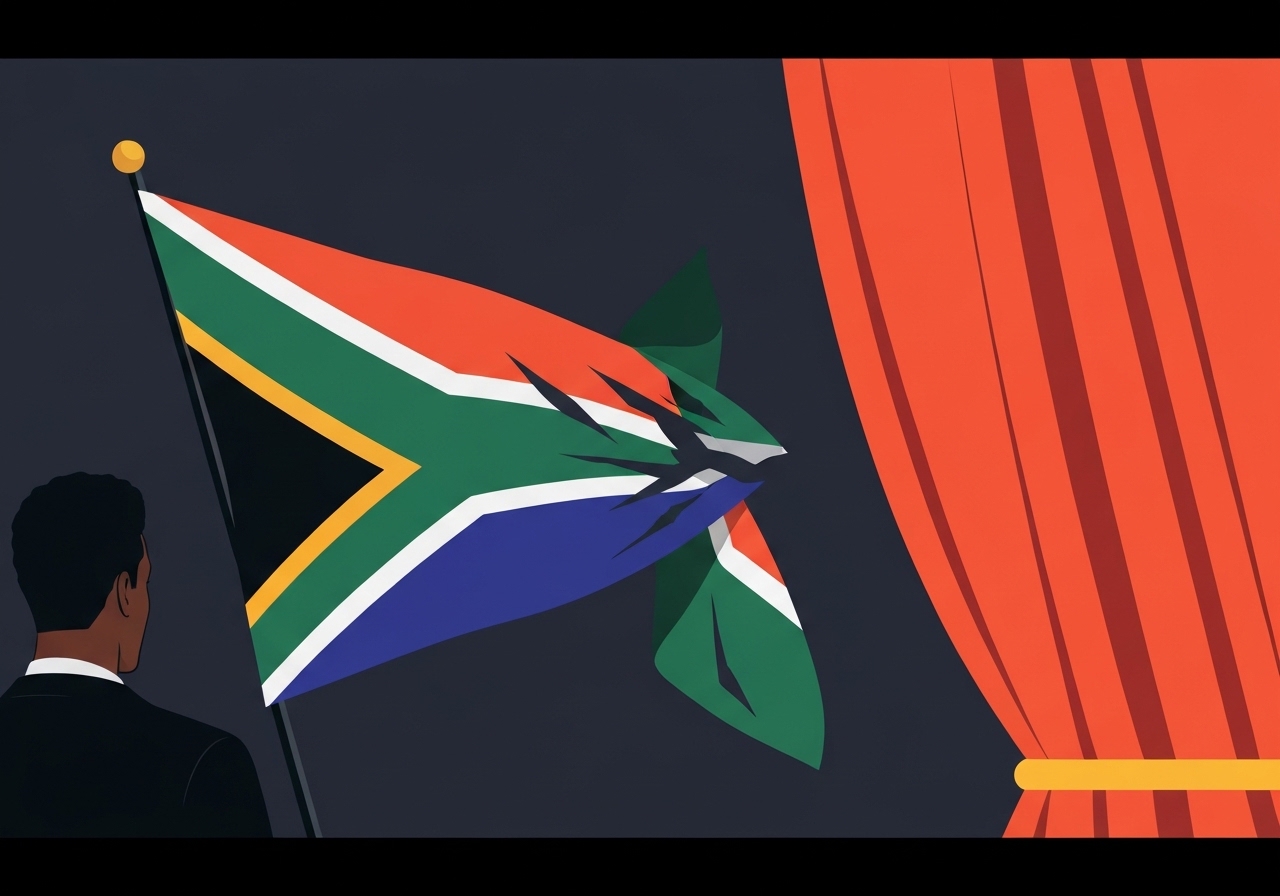
Lead: South African cinemas abruptly lost a planned theatrical premiere of the documentary “Melania” on Jan. 28, 2026, after local distributor Filmfinity said it would not proceed with the territorial release. Filmfinity’s sales and marketing head, Thobashan Govindarajulu, told local media the move followed “recent developments” but declined to identify them. The cancellation came despite the film’s global distributor and investor backing, and amid mounting questions about weak advance ticket sales and political tensions between South Africa and the United States. Authorities and major theater chains said they were not alerted in advance and expressed uncertainty about the reason for the sudden decision.
Key Takeaways
- Filmfinity, South Africa’s local distributor, announced on Jan. 28, 2026 that it would not move ahead with the theatrical release of the documentary “Melania” in the territory.
- Thobashan Govindarajulu, Filmfinity’s head of sales and marketing, said the decision followed “recent developments” but denied external pressure and declined to specify details.
- Amazon paid $40 million for the film’s rights and spent additional, unspecified “tens of millions” on marketing; industry sources reported low advanced ticket sales in South Africa.
- The film’s director, Brett Ratner, has faced sexual-misconduct accusations from 2017, which have complicated promotion and public reception of the movie.
- Relations between the U.S. president and South Africa have been fraught since the president’s second term began; critics point to his public allegations about a supposed genocide of South Africa’s white minority and to tariffs that have angered some South Africans.
- Ster-Kinekor, a major South African exhibitor, said it had been told the film complied with local regulations and reported surprise at the distributor’s reversal.
- The Film and Publications Board stated it was not aware the release had been pulled, leaving regulatory involvement unclear.
Background
The documentary “Melania” follows the first lady in the weeks before her husband’s second inauguration. Amazon acquired distribution rights for $40 million and mounted an expensive global marketing campaign that industry analysts characterized as a high-risk bet given the subject’s polarizing profile. The film’s director, Brett Ratner, has not released a Hollywood film since multiple sexual-misconduct allegations in 2017 during the #MeToo era, and his involvement renewed scrutiny and public debate.
South Africa–United States relations have been tense during the president’s second term, marked by public criticisms from the U.S. president and disputed claims about conditions facing South Africa’s white minority. These exchanges, along with trade measures cited by local critics, have fed public anger in South Africa and sharpened sensitivity toward U.S.-linked cultural products. At the same time, South African cinemas are operating in a global market where streaming deals, rising costs, and variable consumer appetite continue to reshape theatrical economics.
Main Event
On Wednesday, Filmfinity communicated to local partners that it would not release “Melania” theatrically in South Africa, citing only “recent developments.” Govindarajulu told reporters that the company had not been pressured to withdraw the film and that the decision was taken by Filmfinity itself. The announcement came after exhibitors had been told earlier in the week that the film had met local requirements and would open as scheduled.
Mark Sardi, chief executive of Ster-Kinekor, relayed a message from Filmfinity confirming compliance with South African regulations and said his chain had been preparing to screen the film. Sardi said he did not know why the distributor changed course and emphasized that exhibitors are not in the business of censoring films. He described the move as likely commercial, influenced by a mix of current political and market factors.
South African media outlets first reported the pull and quoted local sources; industry observers noted that advance ticketing for the film had been thin. The combination of low pre-sales, director controversy, and an already divided public around the film’s subject made a commercial release less certain even before Filmfinity’s announcement. The Film and Publications Board, South Africa’s content regulator, said it was not aware of the cancellation as of Wednesday, underscoring the abruptness of the distributor’s choice.
Analysis & Implications
The withdrawal highlights how commercial, reputational and geopolitical risks can converge to affect film distribution. Amazon’s sizable outlay for the film’s rights and heavy marketing spend left exhibitors and industry watchers expecting a global rollout; the sudden local pull suggests distributors weigh territory-level risk differently than global investors do. Weak advance ticket sales in South Africa likely reduced the upside for a theatrical run, making a cautious exit more attractive on purely commercial grounds.
Director-related controversies also factor into release calculations. Brett Ratner’s association with the project revives reputational risk that many studios and distributors have avoided since the 2017 allegations against him. For some exhibitors and audiences, a director’s past accusations can depress ticket demand or invite boycotts, eroding the business case for a local premiere.
Geopolitics complicates the calculus. South Africa’s fraught ties with the U.S. president and vocal public anger over his comments and trade steps create a sensitive cultural environment for a film centered on the American first lady. Even if Filmfinity asserts the decision was independent, distributors are inevitably attuned to how political controversy may affect box office performance and local relations with authorities, advertisers and partners.
Comparison & Data
| Item | Reported Figure/Status |
|---|---|
| Amazon acquisition | $40 million |
| Marketing spend (global) | “Tens of millions” (undisclosed) |
| Advance ticket sales (South Africa) | Reportedly thin |
| Local distributor action | Filmfinity canceled theatrical release |
The data above reflects figures cited by industry reports and the distributor’s announcements. Amazon’s $40 million rights payment is a documented sum; exact marketing totals were described only as “tens of millions” and were not publicly itemized. Local advance-sales performance was reported qualitatively as weak rather than published with a specific ticket or revenue figure.
Reactions & Quotes
The following excerpts show official and industry responses; each is brief and given with context.
“Based on recent developments, we’ve taken the decision to not go ahead with a theatrical release in territory.”
Thobashan Govindarajulu, Filmfinity head of sales and marketing
Govindarajulu framed the step as a company decision and said Filmfinity was not compelled externally to pull the film; he declined to identify the specific developments that prompted the reversal.
“Our basic position would be we’re not in the business of censorship. I expect the decision would have been a commercial one balanced with a whole lot of current issues.”
Mark Sardi, CEO, Ster-Kinekor
Sardi spoke for a major exhibitor and signaled surprise, adding that theater operators had been led to believe the film complied with local rules and would open as planned.
“The Film and Publications Board was not aware the film had been pulled.”
Spokesperson, Film and Publications Board (paraphrase)
The board’s statement underlined that regulators had not been formally notified, leaving open questions about whether regulatory review had played any role in the distributor’s decision.
Unconfirmed
- Whether South Africa–U.S. political tensions directly influenced Filmfinity’s decision has not been substantiated by documentary evidence.
- The precise marketing spend beyond Amazon’s $40 million rights payment—described only as “tens of millions”—has not been publicly disclosed or verified.
- It is unconfirmed whether Filmfinity received informal representations from third parties about potential public or governmental reactions prior to its announcement.
Bottom Line
The abrupt cancellation of “Melania” in South Africa is a reminder that high-profile films face a triangular risk of market weakness, reputational fallout and geopolitical sensitivity. Even with a large upstream investment—Amazon’s $40 million rights fee—the local commercial calculus can override global rollout plans when ticket demand is muted and controversy surrounds a production.
For distributors and exhibitors, the episode underscores the need for territory-specific risk assessment: what looks viable at a global level may not survive local scrutiny or poor pre-sale performance. Observers should watch whether Filmfinity provides further explanation or whether similar distribution shifts occur in other markets where political or reputational factors are pronounced.
Sources
- The New York Times — news report (Jan. 28, 2026)