
Lead
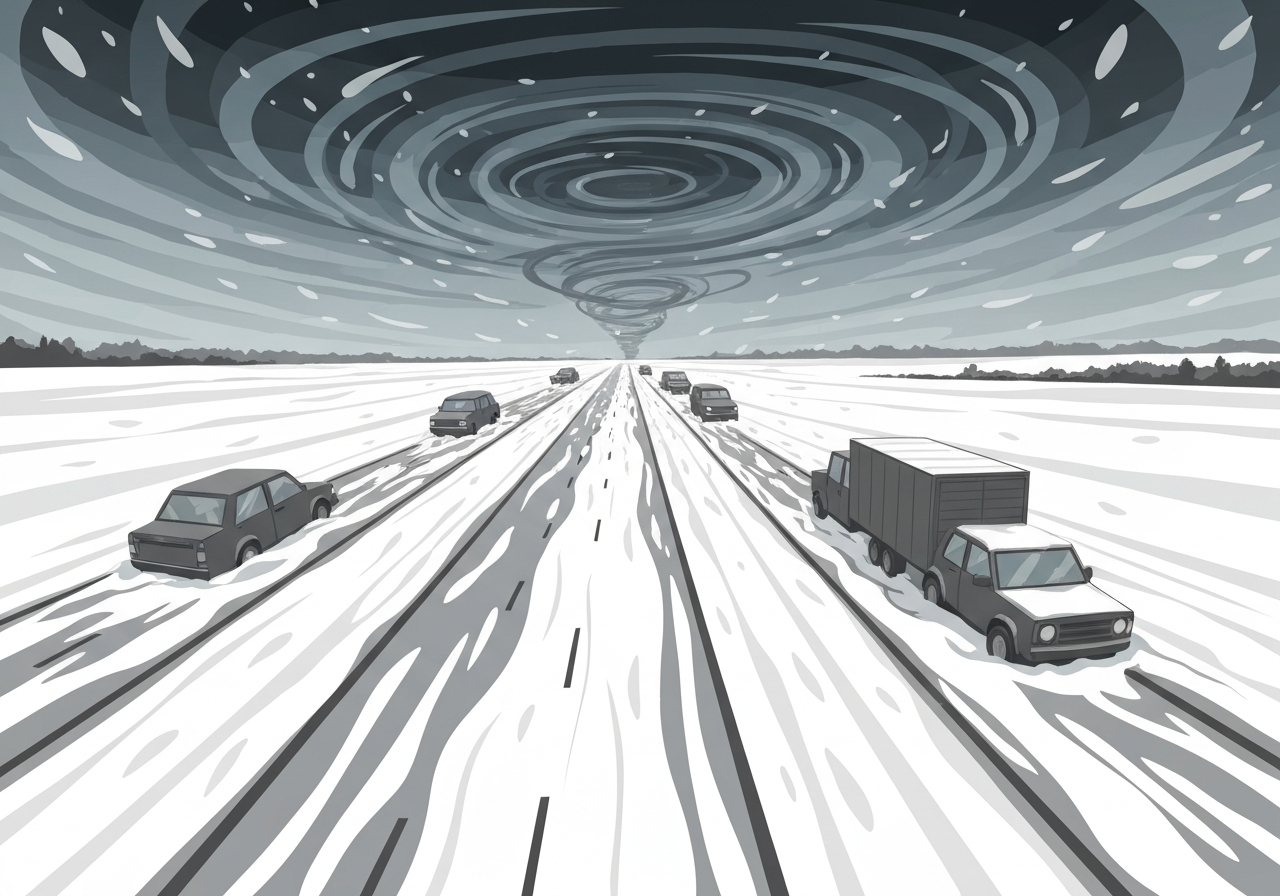
On March 15, 2026, state and local officials urged residents in southern Minnesota to avoid travel as blizzard warnings remained in effect across the region. The advisory followed forecasts of heavy snow, high winds and severely reduced visibility that officials said would make roads hazardous. Transportation and emergency agencies mobilized to monitor conditions and prepare for rescue and clearance operations. Residents were advised to stay tuned to official channels for updates and to postpone nonessential trips.
Key Takeaways
- March 15, 2026: Authorities issued a clear no-travel advisory for much of southern Minnesota while blizzard warnings remained active.
- National Weather Service warnings were cited by officials as the basis for the travel advisory and safety guidance.
- State and county transportation agencies placed crews and emergency responders on heightened alert to respond to stranded motorists and clear major routes.
- Officials warned of whiteout conditions, sustained high winds and rapidly deteriorating road visibility during the height of the storm.
- Residents were urged to follow local advisories, avoid nonessential travel and check on vulnerable neighbors where safe to do so.
- Authorities emphasized that conditions could change quickly and that the timing for when warnings would be lifted remained dependent on evolving weather.
Background
Blizzard conditions in the Upper Midwest are driven by the interplay of cold arctic air and moist storm systems that can produce heavy snowfall, strong winds and severe reductions in visibility. Southern Minnesota lies along routes frequently affected by late-winter and early-spring storms, which can disrupt travel and agriculture, and complicate response efforts. State and local road-management agencies maintain winter-response plans that include plow deployments, temporary road closures and coordinated messaging with public-safety partners.
In recent years, multi-day winter events have strained resources in rural counties where long stretches of two-lane highways and limited cellular coverage can slow rescues and supply deliveries. Emergency management officials typically weigh road-clearing priorities against public-safety warnings, often recommending that residents shelter in place rather than risk travel during peak conditions. The National Weather Service sets formal watch/warning criteria that jurisdictions use to trigger advisories and operational responses.
Main Event
During the morning of March 15, 2026, weather services maintained blizzard warnings for portions of southern Minnesota as forecasts projected heavy snow and gusty winds through the day. Local emergency-management offices and transportation departments issued public statements advising people not to drive unless travel was essential. Officials described visibility falling to near-zero in bursts and warned that drifting snow could quickly block smaller roads.
Transportation agencies reported mobilizing plow and salt trucks and placing crews on extended shifts to keep primary routes passable, while secondary roads awaited clearance until conditions improved. Where available, emergency responders positioned tow and rescue units to assist stranded motorists, and dispatch centers remained on alert for an increase in weather-related incidents. Public-safety messaging emphasized that attempting to cross affected areas could place motorists and first responders at greater risk.
Local authorities used multiple channels — road-closure maps, social media, emergency alert systems and regional news outlets — to communicate real-time conditions and to urge residents to delay travel plans. Schools, businesses and some service providers were monitoring conditions and making localized closure or postponement decisions in line with safety guidance. Officials also highlighted that changes in wind direction or intensity could rapidly alter which counties experienced the worst conditions.
Analysis & Implications
The travel advisory and ongoing blizzard warnings carry immediate transportation and public-safety implications: when officials recommend no travel, the goal is to prevent avoidable emergencies that divert limited responder capacity. In rural southern Minnesota, long response times and isolated roadways make even routine vehicle immobilizations more dangerous during severe winter weather. Encouraging residents to remain off the roads reduces exposure to whiteout conditions and helps prioritize clearance of key freight and emergency routes.
Economically, prolonged travel restrictions can disrupt supply chains for retailers and agricultural operations that rely on timely deliveries in early spring. Local businesses that depend on foot traffic or scheduled shipments may face short-term revenue losses, while agricultural producers could experience delays in critical field or livestock operations. State emergency managers typically coordinate with county officials to balance clearance priorities against community needs, focusing first on hospitals, emergency services and major arterials.
Politically and operationally, these events test interagency coordination across state, county and municipal levels, and they underscore the importance of clear public messaging. The effectiveness of advisories depends on public trust and the availability of alternate arrangements for essential needs, such as shelter and medical care. Looking ahead, any prolonged or repeated events this winter season may prompt reviews of winter-preparedness budgets, staffing models for road maintenance and investments in communication infrastructure for isolated areas.
Comparison & Data
While precise snowfall totals and wind speeds for this specific event were being updated by weather services, blizzard warnings are defined by sustained winds of 35 mph or greater and visibility of less than a quarter-mile for at least three hours — criteria that increase the hazard even when absolute snowfall amounts vary. Historically, March storms in the region have ranged from intense short-duration blizzards to longer, lower-intensity snow events; operational responses are tailored to the storm’s wind, temperature and timing.
Reactions & Quotes
“Avoid travel if at all possible. Roads will be treacherous and conditions can deteriorate quickly.”
Minnesota State Patrol (official advisory)
The state patrol’s brief advisory focused on public-safety behavior, urging drivers to remain off major routes unless their trips were critical. That guidance aligns with standard practice to prioritize emergency-response capacity and minimize incidents during peak storm conditions.
“Blizzard warnings are in effect for parts of southern Minnesota; expect near-zero visibility and strong winds during the event.”
National Weather Service (forecast statement)
The National Weather Service statement framed the meteorological basis for the advisory and provided the technical criteria that local authorities used to justify no-travel guidance. Officials emphasized monitoring NWS updates for the timing of any warning expirations.
Unconfirmed
- Reports of the precise number of stranded motorists or weather-related rescues remain unverified at the time of reporting.
- The full scope and duration of any localized power outages linked to the storm are still being assessed.
- Exact timing for when specific county warnings or road closures will be lifted has not been confirmed and depends on evolving conditions.
Bottom Line
The core message from public-safety officials on March 15, 2026, was straightforward: do not travel across affected parts of southern Minnesota while blizzard warnings are active. Remaining at home during the worst conditions reduces the risk of becoming stranded and eases burden on emergency services tasked with life-saving responses and road clearance.
Residents should monitor official channels — including state transportation updates and the National Weather Service — for real-time information on road conditions and warning status. Those with essential needs should plan ahead, secure supplies safely before the worst conditions arrive, and check on neighbors through safe means once travel is advisable.
Sources
- MPR News — regional public radio (media)
- National Weather Service — federal meteorological service (official)