
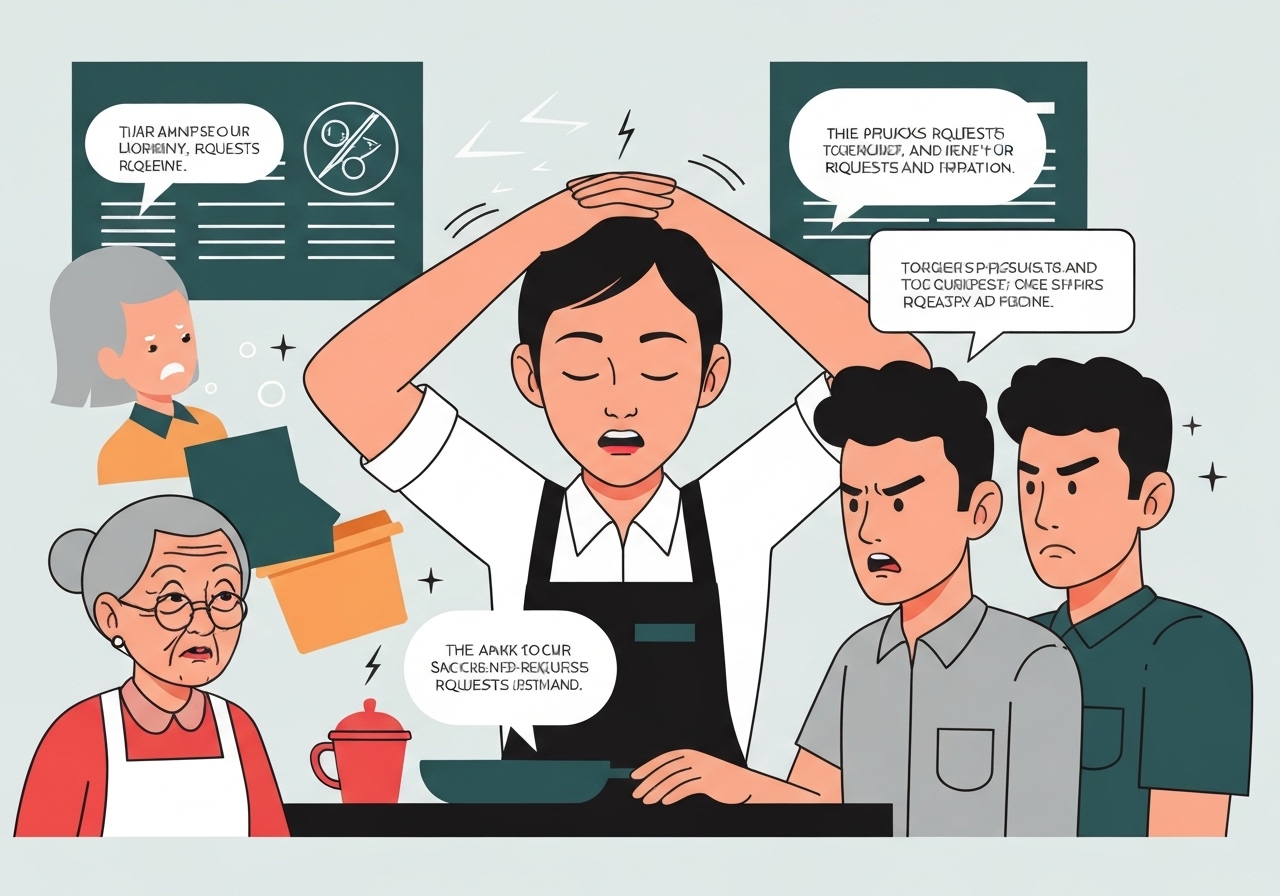
Lead: Since Brian Niccol became chief executive a year ago, Starbucks has pushed an aggressive turnaround across more than 17,000 U.S. stores, combining faster service targets, remodeled seating and new beverage experiments. The company has removed nondairy milk charges, restored condiment stations and pledged over $500 million for staffing and order-sequencing technology. But baristas and some customers say new rules — including a four-minute service expectation, mandatory on-cup messages and more face-to-face interactions — are increasing on-shift pressure and friction at busy stores. The tension is visible in staff accounts and in the performance of complex summer drinks such as the Strawberry Matcha Strato Frappuccino, which requires six ingredients and two blenders.
Key Takeaways
- Brian Niccol became Starbucks CEO in September 2024 and has pursued a rapid turnaround plan, including operational and store changes across the U.S. (17,000+ stores).
- Starbucks removed nondairy milk charges, reinstated condiment stations and is investing more than $500 million in employees and order-sequencing technology.
- The company hired Niccol from Chipotle with a compensation package of about $100 million to offset earnings he left behind.
- New store rules ask baristas to greet customers, make eye contact, and write a sincere message on cups while meeting a four-minute fulfillment target per order.
- The Strawberry Matcha Strato Frappuccino, a summer bestseller, requires six ingredients and two blenders; baristas report it can be especially disruptive during peak periods.
- Some baristas say a single complex drink can take 40–50 seconds to make when isolated, but multiple items and peak demand undermine that pace.
- Customers are seeing improved seating and a more curated menu in remodeled stores, but staff stress and service inconsistencies persist during busy hours.
Background
Starbucks has been trying to reverse slowing sales and operational drift by shifting toward a higher-margin, cafe-style experience while keeping throughput close to fast-food speeds. The company’s U.S. footprint exceeds 17,000 stores, making even small operational changes logistically complex and costly. Niccol, recruited from Chipotle Mexican Grill with a roughly $100 million package, prioritized moves intended to restore a premium coffeehouse feel: better seating, streamlined menu highlights and digital-ordering improvements aimed at faster delivery.
Operationally, the changes include reinstating self-serve condiment stations, eliminating charges for nondairy milks, and accelerating store remodels to create more inviting seating. Starbucks has also announced a significant investment — more than $500 million — to hire additional frontline staff and build order-sequencing systems that can triage and speed complex ticket flows. The strategy trades some quick-service conventions for a higher-priced, crafted-beverage mix that the company believes customers will accept if service and atmosphere improve.
Main Event
At the center of the current controversy are new in-store expectations: baristas must greet customers, hand over drinks with eye contact, and write a short, genuine message on each cup while meeting a four-minute fulfillment standard. Baristas report that these customer-engagement requirements, layered on top of faster throughput goals, raise stress during rush times. The Strawberry Matcha Strato Frappuccino — one of the summer’s most ordered items — has become a flashpoint because it needs six ingredients and two blenders, complicating flow when multiple complex orders arrive simultaneously.
Brook Allen, a 23-year-old part-time barista at a Starbucks near the University of California, Davis, described the strain of juggling such demands during peaks. She told colleagues that when several complex drinks hit a lane at once, it disrupts drink assembly and the four-minute target becomes unrealistic. Management counters that the changes aim to improve customer experience and long-term loyalty, citing early signs of higher ticket prices and longer in-store dwell times in remodeled locations.
Starbucks has moved new executives into leadership roles to accelerate execution and has publicly framed the changes as necessary to restore the brand’s coffeehouse identity. The retailer is also developing order-sequencing software intended to prioritize and route items to minimize cross-channel bottlenecks. Meanwhile, stores across key markets are being remodeled to add comfortable seating and reinforce the premium positioning of the menu.
Analysis & Implications
The strategy reflects a classic trade-off: raise average spend and brand appeal by offering premium experiences, while maintaining throughput to keep daily revenue stable. The $500 million investment signals Starbucks expects the long-term gain from higher-priced, curated menu items and longer in-store visits to outweigh short-term operational pain. Yet execution risk is high — thousands of stores must adopt new protocols and technology without undermining the speed that many customers expect.
Frontline morale is a core vulnerability. Baristas are the face of the customer experience, and incremental tasks — writing messages, mandated eye contact, faster pacing — can materially increase cognitive load during peaks. If staff turnover rises or recruiting costs increase, the financial gains from higher average ticket sizes could be eroded. The company’s emphasis on additional hires aims to mitigate that risk, but labor-market tightness and training lead times complicate rapid scaling.
Customer perception will be decisive. Early returns from remodeled stores show improved seating and what management calls a more premium feel, but consistency matters: customers tolerate novelty if service is reliable. Complex, multi-component beverages such as the Strawberry Matcha Strato Frappuccino illustrate the operational friction of a more elaborate menu. Sustained success depends on whether order-sequencing technology and staffing investments actually reduce variability in busy windows.
Comparison & Data
| Metric | Value |
|---|---|
| U.S. store count | 17,000+ |
| CFO/CEO recruitment package (Niccol) | ~$100 million |
| Planned investment for staffing & tech | > $500 million |
The table above highlights why even small operational tweaks create outsized coordination challenges at Starbucks. A six-ingredient, two-blender drink that is manageable at a single counter can ripple across staffing and speed goals when replicated across thousands of transactions during peak hours. The company’s financial commitment is meaningful, but the outcomes depend on training, software efficacy and hiring success.
Reactions & Quotes
“If it’s the only drink I have to make, I can probably do it in 40 or 50 seconds, but it’s frustrating when those orders arrive during peak times,”
Brooke Allen, Starbucks barista (part-time)
Allen’s remark underscores how single-item timing estimates break down under real-world demand spikes, where tickets stack and multitasking becomes mandatory.
“We’re investing in people and technology to speed service while restoring the coffeehouse experience,”
Starbucks spokesperson (company statement)
The company’s spokesperson framed the program as a coordinated investment in staff and systems rather than a directive aimed merely at speed. That emphasis reflects the dual objective of better experience and acceptable throughput.
Unconfirmed
- The exact timeline and store-count target for completing the current wave of remodels has not been publicly disclosed.
- The degree to which the new order-sequencing technology will reduce average ticket times across all store formats remains unproven at scale.
- There is no public, company-wide metric yet showing how the changes have affected staff turnover or long-term customer satisfaction.
Bottom Line
Starbucks’s push to marry a premium coffeehouse experience with fast-service expectations is an ambitious, high-stakes maneuver. The company has committed significant capital and leadership bandwidth, including a roughly $100 million package to secure Brian Niccol and more than $500 million for staffing and technology, signaling confidence in the strategy’s potential. But the practical friction — particularly evident in complex beverages and new face-to-face service requirements — creates short-term risks to staff morale and service consistency.
Whether the turnaround succeeds will hinge on execution: can additional hiring, training and software reduce variability in busy windows without diluting the customer-facing hospitality Starbucks seeks to restore? Investors and customers will be watching indicators such as consistency of service times, turnover rates, and sales per remodeled store to judge whether the trade-offs deliver the intended long-term benefits.
Sources
- The New York Times — major news organization (article on Starbucks turnaround, Sept. 9, 2025).
- Starbucks Stories — official Starbucks newsroom (company statements and corporate news).