
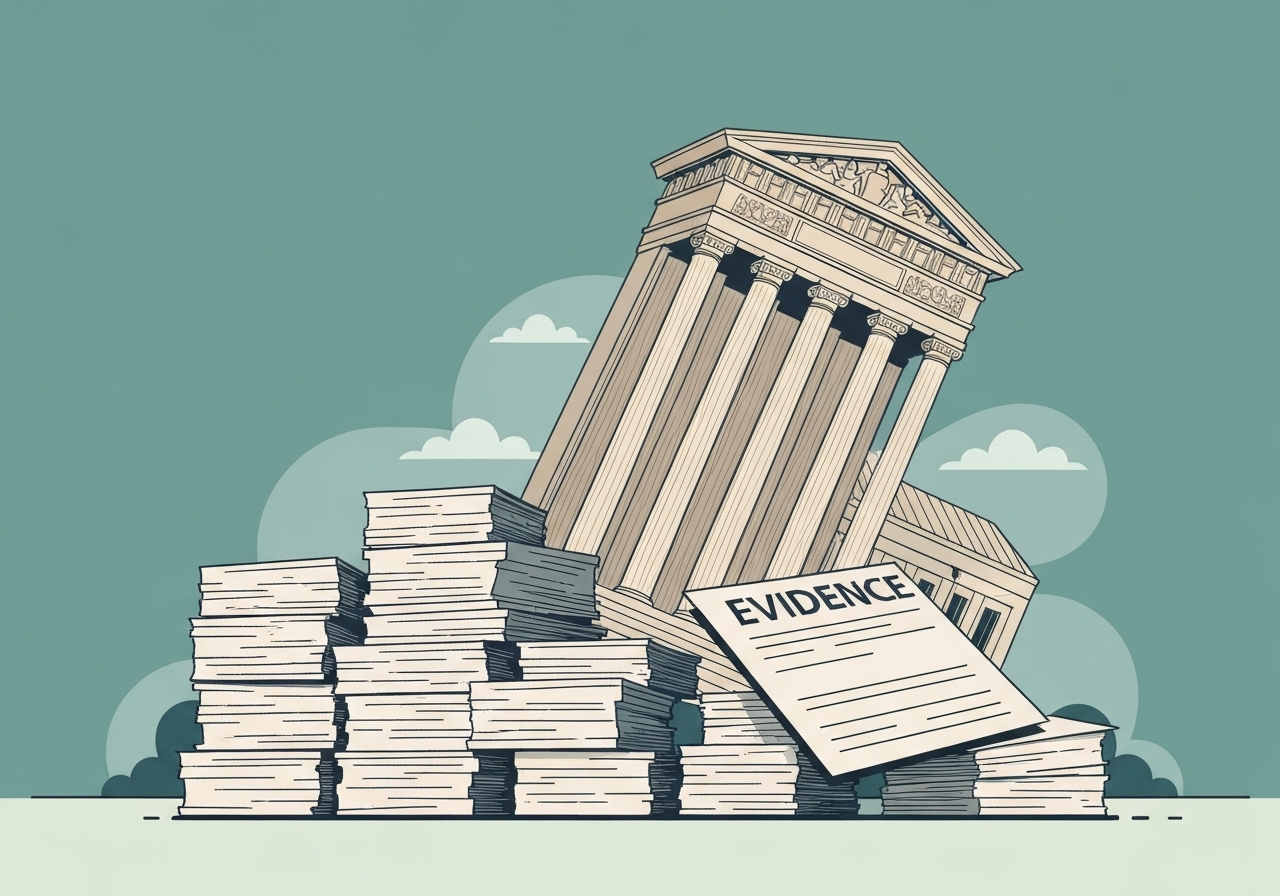
On September 5, 2025, a review of recent Supreme Court rulings and procedural orders shows a recurring pattern: the Court’s conservative majority has issued a string of decisions and expedited actions that repeatedly benefit Donald Trump and aligned conservative interests, affecting criminal liability, administrative power, immigration, religious-liberty claims, and reproductive-care access.
Key Takeaways
- The Court’s 2024 ruling in Trump v. United States limited criminal accountability for official acts, a pivotal decision for the former president.
- Since 2018 the Court has increasingly used the shadow docket to grant emergency relief for Trump administration requests; in recent months it granted 16 of 16 such requests tied to Trump matters.
- Multiple procedural innovations — tighter limits on nationwide injunctions and requirements that challengers pursue fragmented or multi‑court paths — raise the cost of suing the executive branch.
- The conservative majority has applied the major‑questions doctrine selectively, striking down several Biden administration policies while signaling potential exemptions for Trump actions in foreign‑policy contexts.
- Court decisions have produced durable consequences in immigration, health policy, and abortion access by narrowing remedies or denying broad relief.
Verified Facts
Trump v. United States (2024) produced a majority opinion limiting or denying criminal liability for certain official acts taken while in office. That decision has been central to claims that the Court is sheltering a president from ordinary criminal process.
On the shadow docket — the Court’s expedited, often unexplained decision lane — the conservative justices have repeatedly fast‑tracked requests tied to the Trump administration. Analyses of the Court’s recent terms show an unusually high success rate for those applications, including a reported run of 16 granted requests in succession for Trump‑related matters.
The Court has also altered procedural routes for challengers. In National Institutes of Health v. American Public Health Association (2025), the Court’s order required researchers challenging grant cancellations to traverse multiple courts to secure relief, a process that experts say could delay remedies for years. In Trump v. J.G.G. (2025) the majority narrowed the ability of judges to issue broad nationwide injunctions against deportation practices, directing some claims into numerous individual habeas actions instead.
Other major merits decisions show selective application of doctrines. Biden v. Nebraska (2023) curtailed a large loan‑cancellation plan; the Court’s version of the major‑questions doctrine has been used to invalidate parts of the Biden administration’s regulatory and public‑health initiatives. Conversely, Justice Kavanaugh’s concurrence in an unrelated case signaled a willingness to limit the doctrine in “foreign policy contexts,” a position that could protect Trump’s tariff measures from similar scrutiny.
Context & Impact
The Court’s pattern of decisions and procedural rulings reshapes how lower courts, agencies, and litigants approach enforcement and review. By constraining nationwide relief and redirecting claims into fragmented tracks, the majority increases litigation costs and reduces the likelihood of swift, system‑wide remedies.
These shifts have immediate policy consequences: immigration enforcement can proceed with fewer effective nationwide judicial checks; administrative programs may be discontinued or undercut while courts deliberate; and constitutional protections can be harder to vindicate in practice even where the law appears clear.
Longer term, repeated disparities in treatment between successive administrations risk eroding public confidence in judicial neutrality and magnify the influence of the shadow docket as a mechanism for rapid policy change without full briefing or oral argument.
Official Statements
“Calvinball jurisprudence with a twist,” the Court’s handling of a recent procedural matter, Justice Ketanji Brown Jackson wrote, adding that in practice “this Administration always wins.”
Justice Ketanji Brown Jackson, dissent (Aug. 21, 2025)
Unconfirmed
- Allegations that specific justices deliberately fabricated facts in published majority opinions: the factual claims prompting such charges are contested and lack settled proof beyond sharp disagreement in opinions and dissents.
- Direct coordination between the White House and individual justices to secure favorable rulings: no publicly verified evidence of improper communication has been produced in the cases surveyed.
Bottom Line
The recent body of rulings and procedural practices shows a coherent pattern in which the conservative majority’s choices tend to produce outcomes favorable to Donald Trump and allied conservative actors. Whether this pattern reflects principled legal reasoning, partisan posture, or institutional realignment, its consequences are concrete: faster relief for some actors, higher barriers for challengers, and an increased role for expedited decisionmaking that bypasses the Court’s traditional deliberative processes.
Observers, litigants, and lawmakers will face a continuing question: will institutional reforms, future appointments, or changes in litigation strategy restore more predictable, doctrine‑driven review, or will the Court’s recent practices become a durable feature of how major legal questions are decided?