
Lead
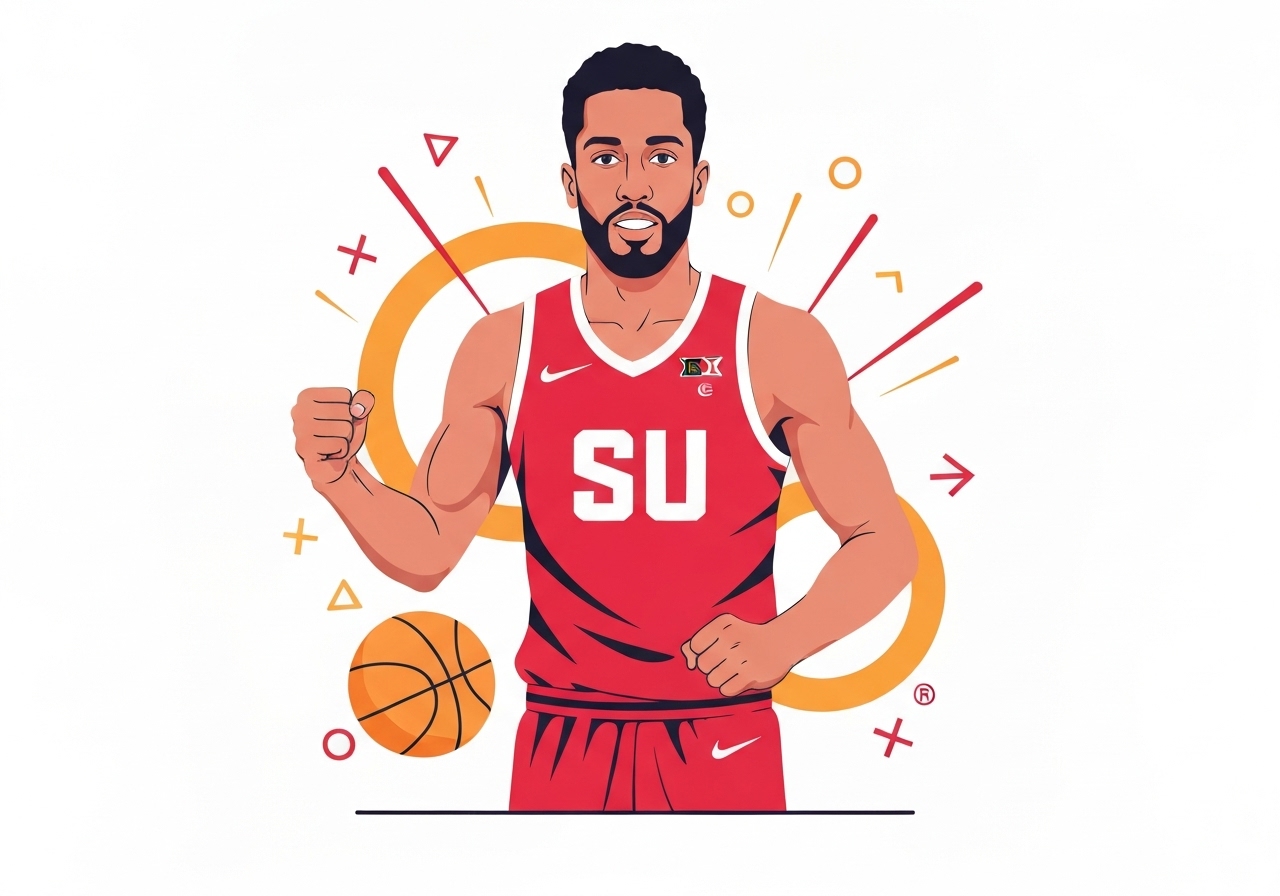
WACO, Texas — On Jan. 8, 2026, No. 3 Iowa State beat Baylor 70-60, extending the Cyclones to a school-record 15-0 start. Junior point guard Tamin Lipsey, an Ames native, overcame two early fouls and a four-point first half to score 20 points after halftime and finish with 24 points overall. Coach T.J. Otzelberger called Lipsey the best point guard in the country after the game. The victory reinforced Iowa State’s place among the national contenders and renewed conversation about roster moves and NCAA eligibility issues surrounding Baylor.
Key Takeaways
- Iowa State improved to 15-0, the best start in program history, with a 70-60 win over Baylor on Jan. 8, 2026.
- Tamin Lipsey scored 24 points, with a game-changing 20-point second half after committing two early fouls in the first half.
- Baylor’s James Nnaji, the first former NBA draft pick cleared by the NCAA midseason, played 16 minutes and posted 2 points and 5 rebounds in his first home game.
- High-profile attendees included Baylor football coach Dave Aranda and former Virginia coach Tony Bennett, while transfer-portal quarterback DJ Lagway was also in the stands.
- Coach Scott Drew noted Nnaji’s conditioning remains a work in progress after seven months of rehab and limited team activity.
- The game intensified debate over NCAA clearance policies for players with prior NBA or two-way contracts amid comments from NCAA leadership.
Background
Iowa State entered the season with heightened expectations after returning key pieces and integrating new depth around a nucleus that has matured under Coach T.J. Otzelberger. Tamin Lipsey, a hometown product of Ames, became a focal point for the program’s identity—expected to run the offense, defend the perimeter and produce in late-game situations. The Cyclones’ unblemished start through 15 games represents the program’s longest winning streak and its earliest national prominence since recent top-tier seasons.
On the other side, Baylor’s midseason addition of James Nnaji drew national attention. Nnaji, a former NBA draft pick, was cleared by the NCAA to play despite having signed pro arrangements previously—an outcome that prompted public comments from coaches and NCAA officials. The presence of transfer-portal names and coaching luminaries in the stands underscored a broader season narrative around roster fluidity and regulatory scrutiny in college basketball.
Main Event
The game opened with Lipsey picking up two quick fouls, which limited his minutes and contributions in the first half; Iowa State trailed by as many as eight before halftime. Baylor relied on interior size and transition opportunities, forcing Iowa State to adjust its rotations. After the break, Lipsey returned with aggressive drives, spot-up jumpers and timely distribution, pouring in 20 points in the second half as the Cyclones erased the deficit and pulled away.
Iowa State’s defense tightened after halftime, cutting off Baylor’s paint touches and forcing contested shots. That defensive push, combined with Lipsey’s second-half scoring, swung momentum and helped the Cyclones sustain a lead through the closing minutes. The final margin, 70-60, reflected both Iowa State’s balance and the difficulty Baylor experienced integrating a newly available frontcourt option midseason.
Baylor center James Nnaji made his first home appearance after clearance, logging 16 minutes, 2 points and 5 rebounds while still rebuilding conditioning after seven months of rehab. Coach Scott Drew said the center remains on a stepped recovery plan and that his on-court minutes will be managed as conditioning improves. The crowd also noticed several notable visitors, including Dave Aranda and Tony Bennett, and chants for transfer-portal quarterback DJ Lagway drew attention during the first half.
Analysis & Implications
Iowa State’s 15-0 start changes how the Cyclones will be viewed by the NCAA tournament selection committee and national media: an undefeated record against quality opponents raises seeding projections and boosts resume metrics such as NET and quadrant wins. Lipsey’s performance deepens the argument that he belongs in the national conversation for top point guards, especially given his ability to shift a game’s trajectory after halftime despite early foul trouble.
For Baylor, the Nnaji situation highlights two pressures: short-term roster enhancement and long-term chemistry and conditioning costs. Adding a player with pro experience midseason can create matchup advantages but also complicate rotations and practice continuity; Nnaji’s limited minutes and modest stats in his first home game underscore that balance. Public pushback from other coaches and an NCAA statement about clearing players with prior NBA or two-way contracts indicate potential policy clarifications ahead.
At a program level, Iowa State’s success is likely to affect recruiting in the Midwest and bolster community engagement in Ames. Lipsey’s local roots make his breakout particularly resonant for fans and alumni, who often prioritize homegrown impact players. Conversely, Baylor will need to weigh the competitive benefits of midseason additions against the reputational and regulatory scrutiny such moves invite.
Comparison & Data
| Player | First Half | Second Half | Total | Minutes |
|---|---|---|---|---|
| Tamin Lipsey | 4 | 20 | 24 | — |
| James Nnaji | 0 | 2 | 2 | 16 |
The table isolates scoring splits for Lipsey and the stat line for Nnaji to illustrate different game impacts: Lipsey’s second-half surge was decisive, while Nnaji’s limited minutes reflect ongoing conditioning and integration. Those contrasts show how midgame adjustments and player availability can determine outcomes even when headline names are on the floor.
Reactions & Quotes
Coach Otzelberger framed Lipsey’s performance as central to Iowa State’s identity and trajectory, emphasizing trust in his point guard when the game’s rhythm was disrupted by fouls. That endorsement came after Lipsey’s late breakout and was pitched as a statement about Lipsey’s leadership and reliability in pressure moments.
“We’ve got the best point guard in the country.”
T.J. Otzelberger, Iowa State coach
Otzelberger’s comment followed the second-half stretch in which Lipsey took control of the offense and delivered scoring and playmaking. The coach highlighted both Lipsey’s resilience after early foul trouble and the trust he places in Lipsey to make pivotal plays down the stretch.
On Baylor’s side, Coach Scott Drew was measured about Nnaji, pointing to the center’s rehab timeline and the need for gradual conditioning before he contributes consistently. Drew framed the clearance and the player’s return as a process rather than an immediate fix for all of Baylor’s on-court challenges.
“James is getting in shape… He’s doing a great job for where he’s at right now.”
Scott Drew, Baylor coach
Drew’s remarks attempted to set expectations for Nnaji’s minutes and performance, signaling that Baylor will manage his role as the team assesses fitness and chemistry. That stance reflects a broader caution from programs adding players midseason.
Unconfirmed
- Whether James Nnaji’s clearance will create a durable precedent for other former NBA draftees seeking midseason college eligibility remains unsettled.
- The depth of interest from Baylor in transfer-portal quarterback DJ Lagway is unclear; chants from the crowd do not confirm any recruiting dialogue or intent.
- Long-term effects of Lipsey’s breakout on postseason seeding projections are projections rather than settled outcomes and depend on remaining schedule strength and results.
Bottom Line
Iowa State’s 70-60 victory over Baylor on Jan. 8, 2026, and the program’s 15-0 start signal a significant competitive ascent for the Cyclones. Tamin Lipsey’s 24-point performance—marked by a 20-point second half—has positioned him firmly in national point-guard conversations and given Iowa State a signature win that will bolster its metrics and narrative heading into conference play.
At the same time, Baylor’s addition of James Nnaji and the surrounding NCAA clearance debate underscore the season’s regulatory and roster-management tensions. Programs and the NCAA are likely to face more scrutiny and calls for policy clarity as midseason roster moves and high-profile clearances recur.